The Algerian Sahara is an extraordinary experience — but it must be earned. Between the crushing daytime heat and the biting cold of the night, between the ever-present sand and the vast distances, packing your bag well can make all the difference. This guide gives you everything you need to know to leave feeling calm, comfortable and ready for anything.
Table of Contents
Weather in the Algerian Sahara: what to expect by season?
The Sahara does not have a single climate. Depending on the time of year you travel, conditions vary dramatically. Here is what you need to know before booking.
| Season | Period | Temperatures | Key facts |
|---|---|---|---|
| 🍂 Autumn | October – November | Day: 25–32°C Night: 10–15°C |
Ideal for first-timers. Mild temperatures, magnificent light. Perfect for hiking and exploration. |
| ❄️ Winter | December – February | Day: 15–22°C Night: 0–5°C (sometimes below zero) |
The most popular season. Pleasant days, very cold nights. A warm sleeping bag is essential. Beware of frost in high-altitude areas. |
| 🌸 Spring | March – April | Day: 28–38°C Night: 12–18°C |
A narrow window. Early March is still very pleasant. Late April is already hot. Sandstorms (chergui) possible in March–April. |
| ☀️ Summer | May – September | Day: 40–50°C Night: 25–30°C |
Not recommended. Extreme temperatures, genuine health risk. Reserved for highly experienced expeditions with heavy logistics. |
What the climate means in practice
- The day/night gap is brutal: up to 25°C difference between midday and 3am — always pack warm clothing, even in October
- The sandstorm (chergui): sudden and blinding, it can last from a few hours to several days — protective goggles and a chèche are essential
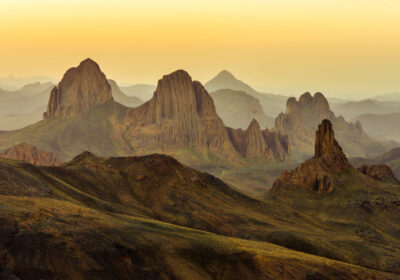
- Altitude changes everything: at Assekrem (2,800 m) or in the Tassili, night temperatures drop even lower than on the plains
- The sun is relentless: even on cloudy days, UV radiation at altitude is very intense from 9am
- The best window: November to March — optimal thermal comfort, ideal light for photos, nature at its best
Clothing: your first line of defence against the desert
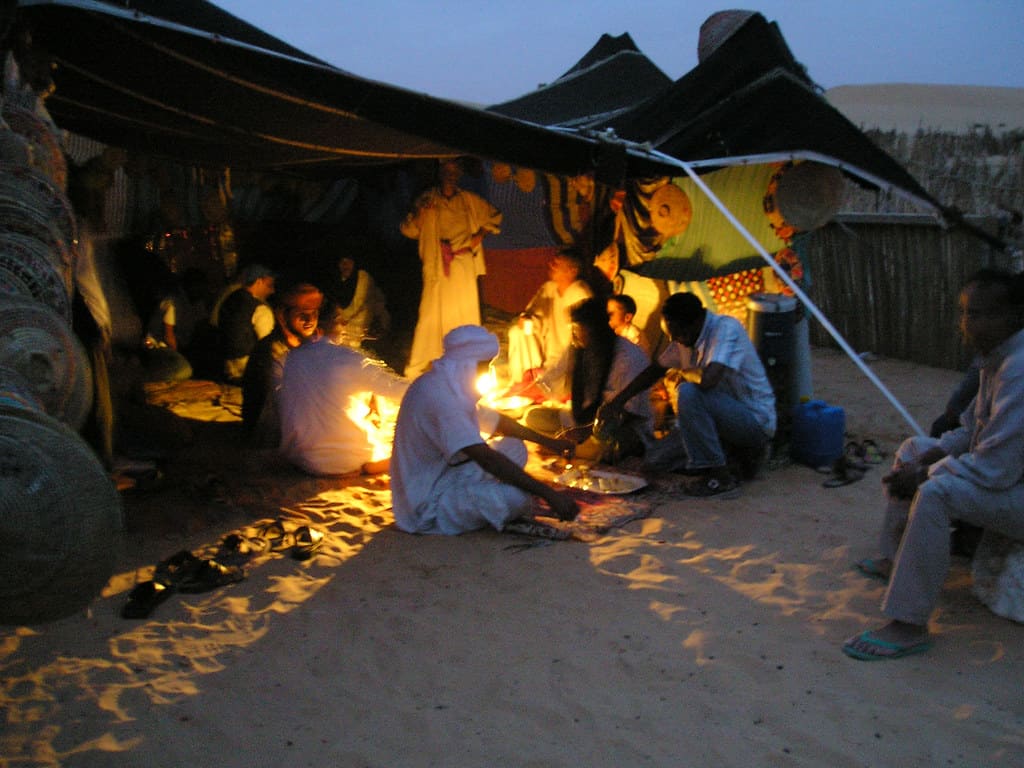
Have you ever wondered why the Tuareg cover themselves from head to toe despite the heat? The answer is simple: covering up protects against the sun, wind and cold — far better than bare skin. Adopt their logic.
Daytime clothing (heat + sun)
- Light cotton long outfits: long-sleeved trousers and shirts — cover the skin without stifling
- Chèche or turban: protects the face, neck and eyes from sand and sun — the most useful accessory of the trip
- Wide-brimmed hat or cap: essential for hikes in full sun
- UV400 sunglasses: protect against glare on the sand
- Closed hiking shoes: protect against rocks, insects and scorpions — no open sandals during the day
- Light gloves: for long walks where hands are exposed
Night clothing (cold + wind)
- Fleece or light down jacket: for bivouacs and sunrises (often the coldest moments)
- Beanie and warm socks: the head and feet lose heat quickly at night
- Suitable sleeping bag: essential from November onwards — opt for a comfort rating of 0°C minimum, -10°C for high-altitude areas
- Light sandals: for moving around camp in the evening, once hiking shoes are off
Water: the golden rule of the desert
In the desert, water is not a comfort — it is a survival condition. The air is so dry that dehydration sets in well before thirst makes itself felt. Don’t let it catch you off guard.
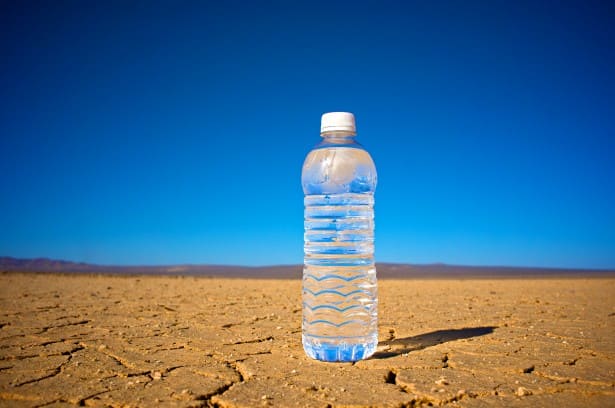
- 6 litres per day minimum on hiking or intensive exploration days
- Insulated water bottle (2L min): keeps water cool for several hours in the heat
- Purification tablets: for emergencies or natural water sources (guelta)
- Nasal saline solution: dry air and sand irritate the nasal passages — use morning and evening
- Water on the skin: splashing wrists and face instantly cools body temperature
- Avoid alcohol and caffeine: they accelerate dehydration — save them for cool evenings at camp
The complete checklist: everything to pack
Here is the exhaustive list, organised by category. Print it, tick it off, and leave with peace of mind.
📄 Documents and money
- Passport + photocopies
- Visa (if required) + agency permit
- Vaccination booklet
- Cash in Algerian dinars — bank cards are not accepted in the Sahara
- Travel insurance with repatriation cover
💧 Hydration and hygiene
- Insulated water bottle, 2L minimum
- Water purification tablets
- Nasal saline solution
- Wet wipes (water is precious)
- Biodegradable soap
👕 Clothing
- Light cotton long outfits (3–4 sets)
- Chèche or turban (the most important item)
- Wide-brimmed hat
- UV400 sunglasses
- Closed hiking shoes
- Light sandals for camp
- Fleece + light down jacket
- Beanie + warm socks
- Sleeping bag (comfort rating 0°C min)
- Light gloves
🧴 Health and protection
- SPF 50+ sunscreen (reapply every 2 hours)
- Moisturising cream for face and hands
- Lip balm (dry air chaps lips quickly)
- Sand-protection goggles
- First-aid kit: plasters, bandages, antiseptic alcohol, painkillers, anti-diarrhoeal medication, eye drops
🎒 Practical equipment
- Torch + spare batteries (nights are in total darkness)
- Swiss Army knife
- Whistle (distress signal)
- Lighter (for lighting a fire at the bivouac)
- Hiking pole (invaluable on rocky terrain)
- Spare toothbrush (for clearing sand-clogged zips)
- Waterproof bags to protect electronics from sand
- Portable solar charger
The local guide: your best insurance in the Sahara
No matter how well prepared you are, no checklist replaces the expertise of a local Tuareg guide. The Sahara has been their territory for generations — they know every trail, every pitfall, every hidden beauty.
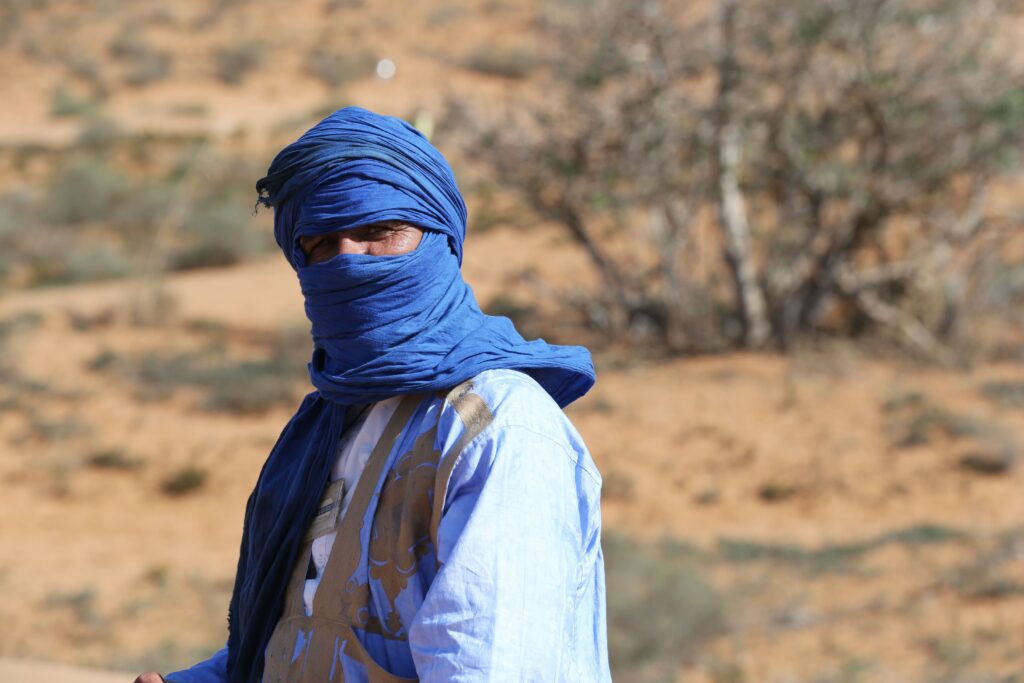
- Perfect knowledge of trails, water sources and natural shelters
- Managing unexpected weather (sandstorms, sudden cold)
- Sharing local culture: stories, recipes, traditional desert medicine
- Complete safety: guides are trained in first aid and in permanent radio contact
- Access to sites unreachable without an official guide (protected areas of the Tassili, Tadrart)
“The desert does not forgive carelessness, but rewards generously those who respect it.” — Tuareg guide, Djanet
To conclude: prepare well, and the desert will take care of the rest
The Algerian Sahara is one of the most beautiful experiences a traveller can have. But it demands respect and preparation. With the right bag, the right season and a good guide, everything else is pure wonder.
- Favour November to March for optimal conditions
- Never travel alone — use a reputable local agency
- Travel light but complete: every kilogram matters on high-altitude hikes
- Leave room in your bag on the way back — Saharan craftsmanship is worth bringing home
Our team is on hand to help you prepare your stay in the Algerian Sahara — from logistics to choosing the right circuit.