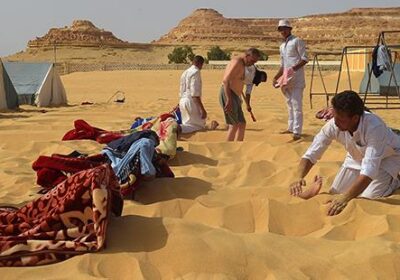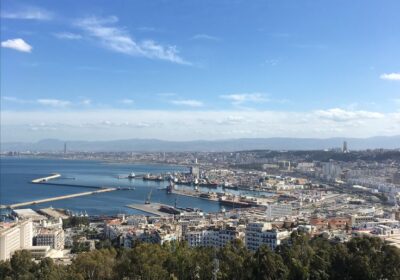

Djanet, an oasis nestled in the heart of the Algerian Sahara, is home to a fascinating blend of ancient rock art and living Tuareg traditions. This rich cultural heritage offers a unique window into human history and continues to captivate visitors from around the world — making tourism in Djanet a deeply enriching experience.

Table of Contents
Rock Art of the Tassili n’Ajjer
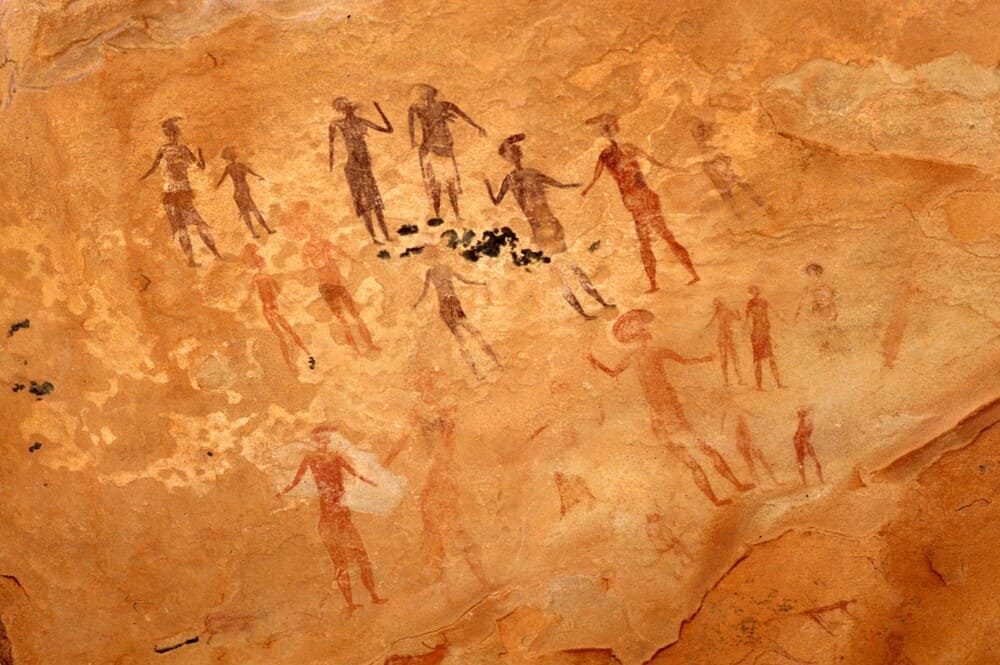
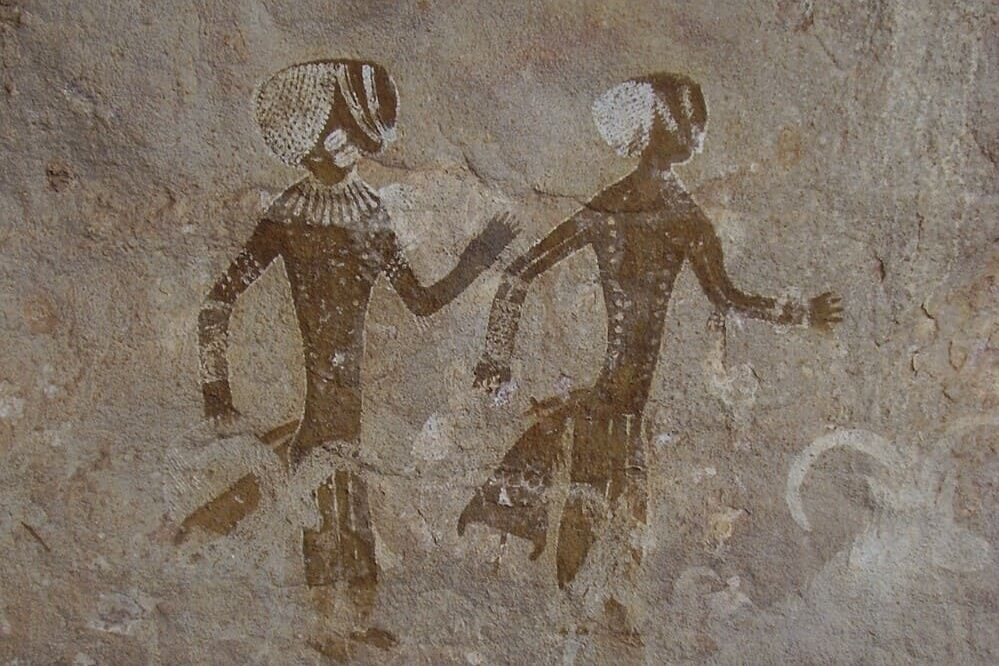
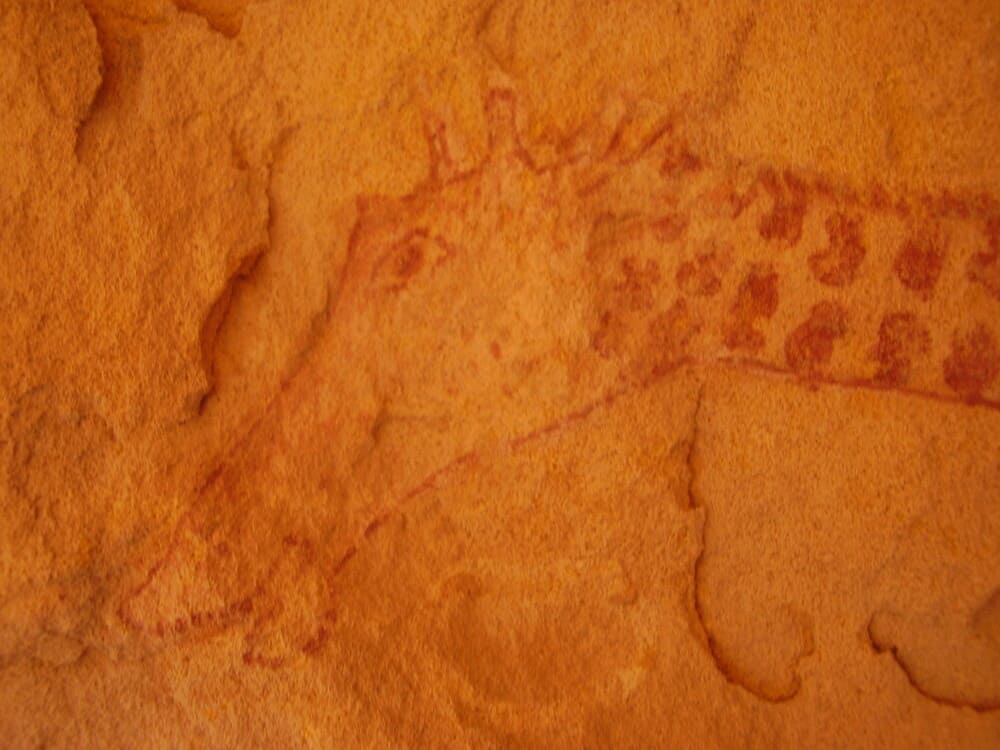
The rock art of Djanet, primarily found in the Tassili n’Ajjer National Park — a UNESCO World Heritage Site — is a cornerstone of the region’s cultural identity.
These paintings and engravings, dating from around 6000 BCE to the early centuries CE, depict a wide range of scenes: hunting, ritual dances, domestic and wild animals, and human figures. With over 15,000 works, often created using natural pigments such as ochre, charcoal, and hematite, this collection is one of the most significant bodies of prehistoric art in the world.
Beyond their artistic value, these works provide insight into climatic changes, wildlife migration, and the evolution of human life on the edge of the Sahara. Some even portray mythical creatures, reflecting the rich imagination and belief systems of the region’s ancient inhabitants.
Tuareg Traditions
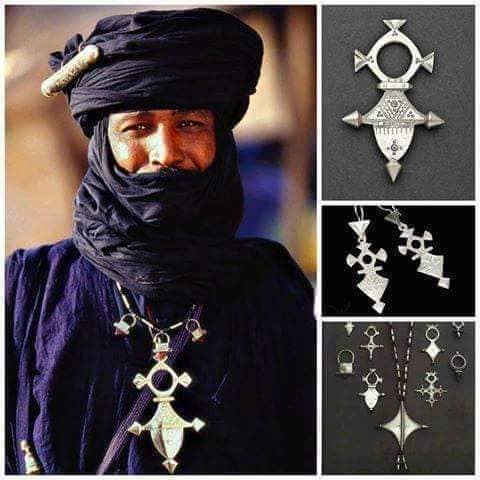
The Tuareg people of Djanet — often referred to as the “Blue Men of the Desert” due to their indigo-dyed garments — embody a rich and complex culture that lies at the heart of Djanet’s identity.
Poetry plays a central role in their traditions, serving as a powerful form of expression used to pass down stories, life lessons, and tales of love. Music is equally essential, featuring instruments like the tende and accompanying various ceremonies and gatherings.
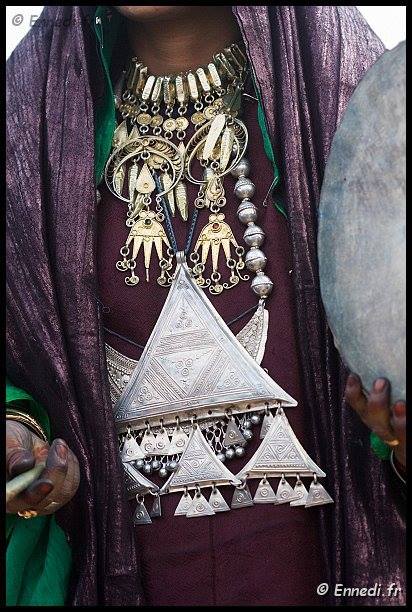
Tuareg craftsmanship is also renowned, particularly in silver jewelry and handwoven textiles — each piece carrying cultural meaning and history. The indigo tagelmust (turban) is more than clothing: it is a powerful symbol of identity and heritage.
Their social structure, shaped by tribal and family traditions, further enriches the depth and diversity of their culture.
Preserving and Celebrating Culture
Traveling with a local agency in Djanet offers a more authentic and immersive experience of both rock art and Tuareg traditions. Local guides play a vital role, sharing deep knowledge of the region and bringing its history and culture to life through storytelling. Visitors can engage in meaningful experiences such as traditional rituals, folk dances, and meals prepared using ancestral recipes.
This approach goes beyond simple sightseeing — it allows for genuine cultural immersion.
Additionally, choosing a local agency supports the Tuareg community economically and contributes to preserving their way of life. It promotes a more responsible and sustainable form of tourism while encouraging meaningful cultural exchange. Local guides also ensure safe and well-informed exploration, helping visitors discover hidden gems across Djanet and its surroundings with confidence and ease.
Final Thoughts
Djanet’s cultural heritage acts as a bridge between past and present, offering insight into the lives of the Sahara’s early inhabitants while celebrating the living traditions of the Tuareg. Whether through exploring ancient rock art or taking part in cultural festivals, Djanet delivers a unique and deeply meaningful experience — one that highlights the resilience and continuity of human culture in the face of time and environmental challenges.
Ready to experience the cultural riches of Djanet? Contact us to plan your tailor-made journey — rock art sites, Tuareg guides, desert bivouac, and the Sebiba festival, all in one unforgettable itinerary.