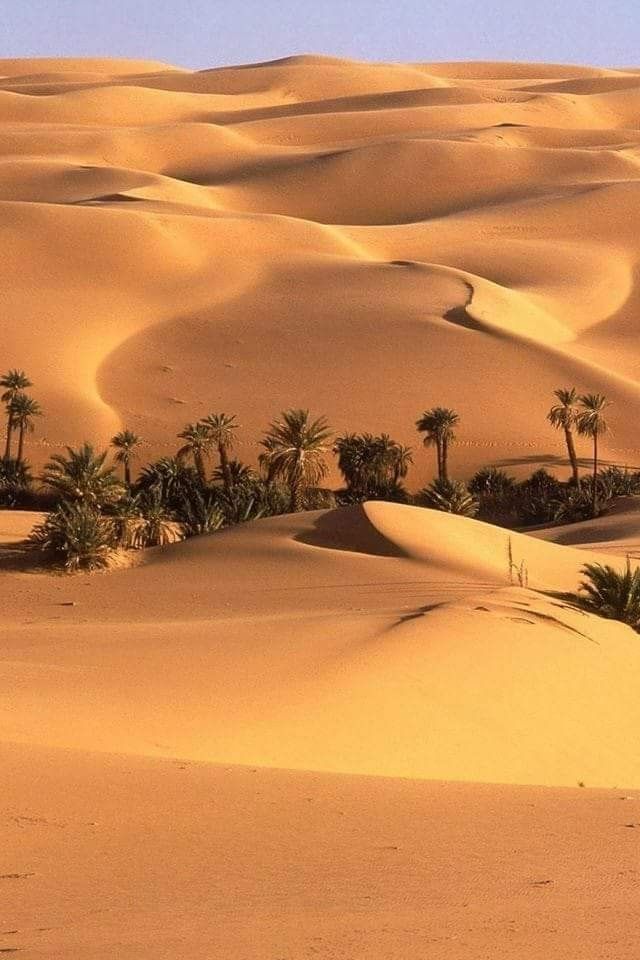
The Sahara is the largest hot desert in the world — but it is nothing like the same place depending on whether you cross it in Tunisia or in Algeria. The Tunisian desert is accessible, varied, scattered with Star Wars film sets and hot springs; it is a Saharan destination that slots naturally into a wider tour. The Algerian desert is on another scale: two million km² of immensity, red dunes with no equal anywhere in the Mediterranean, and a solitude Tunisia can no longer offer. This comparative guide helps you choose according to your profile, your budget and what you really expect from the desert.
Table of Contents
What the Two Deserts Are
The Tunisian Desert: Compact, Accessible and Full of Contrasts
The Tunisian desert occupies the south of the country — around a third of its territory — and is made up of several distinct areas that complement each other naturally:
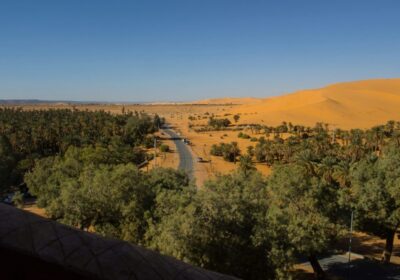
- The Grand Erg Oriental: the great sand sea, shared with Algeria, whose main gateway is Douz (nicknamed the “gate of the Sahara”) and Ksar Ghilane, the legendary oasis with its natural hot spring.
- The Chott el Jerid: the largest salt lake in North Africa — between 5,000 and 7,000 km² of white salt and mirages depending on the season, crossed by a 100 km road between Tozeur and Kebili. One of the most hypnotic landscapes on the continent.
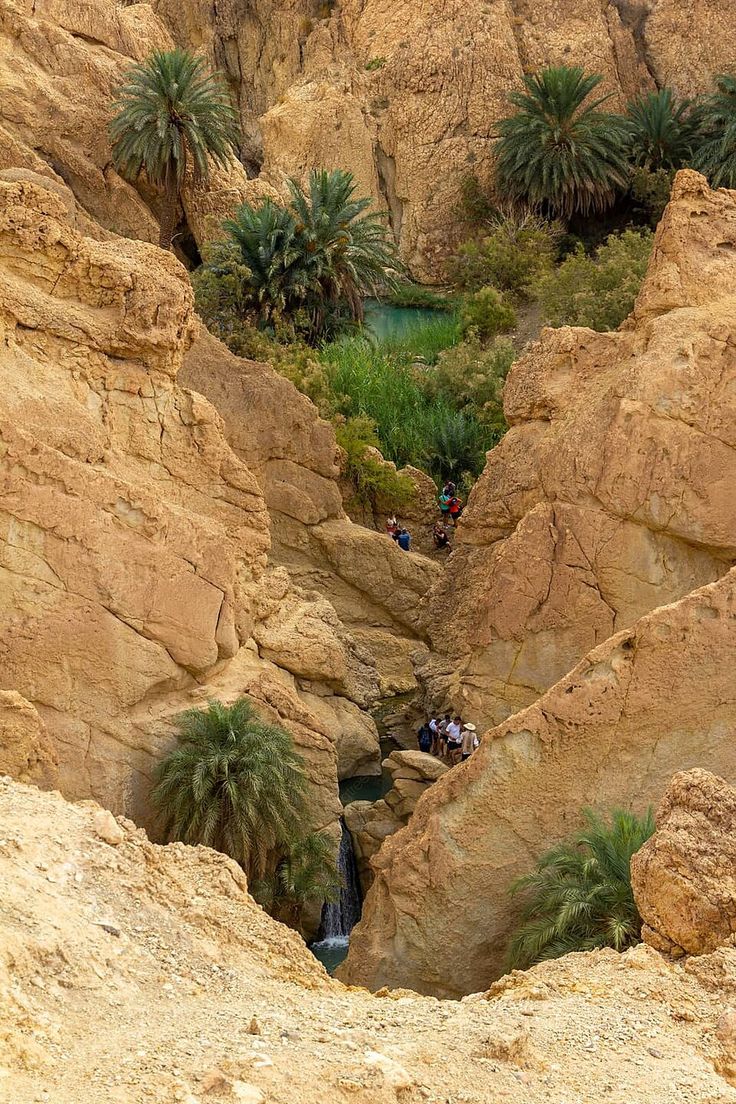
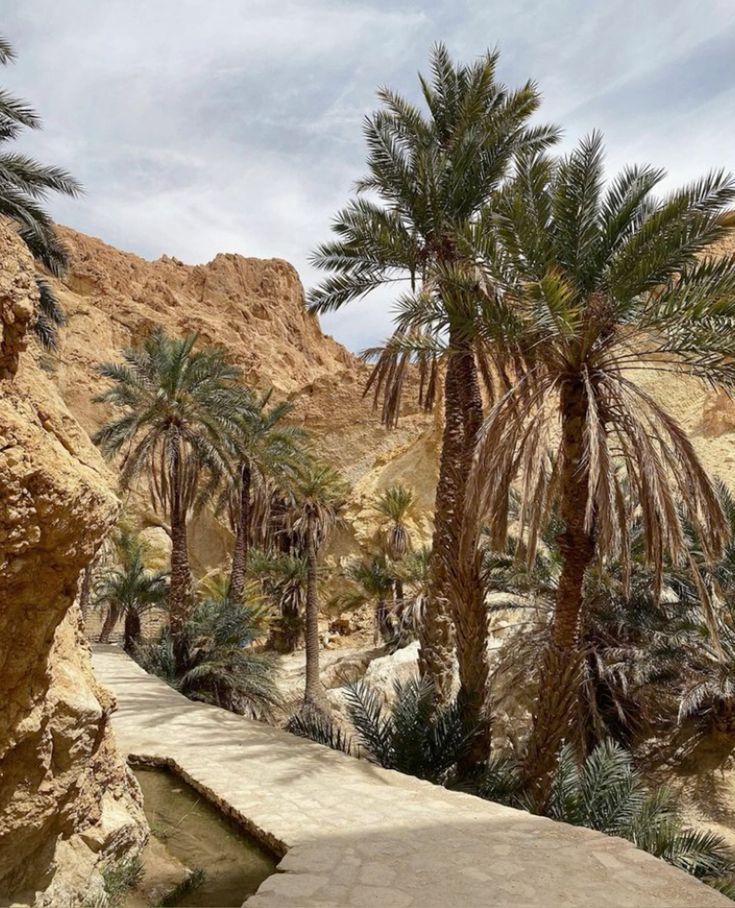
- The mountain oases: Chebika, Tamerza and Mides — three gorge oases with waterfalls and hot springs at the foot of the Saharan Atlas mountains.
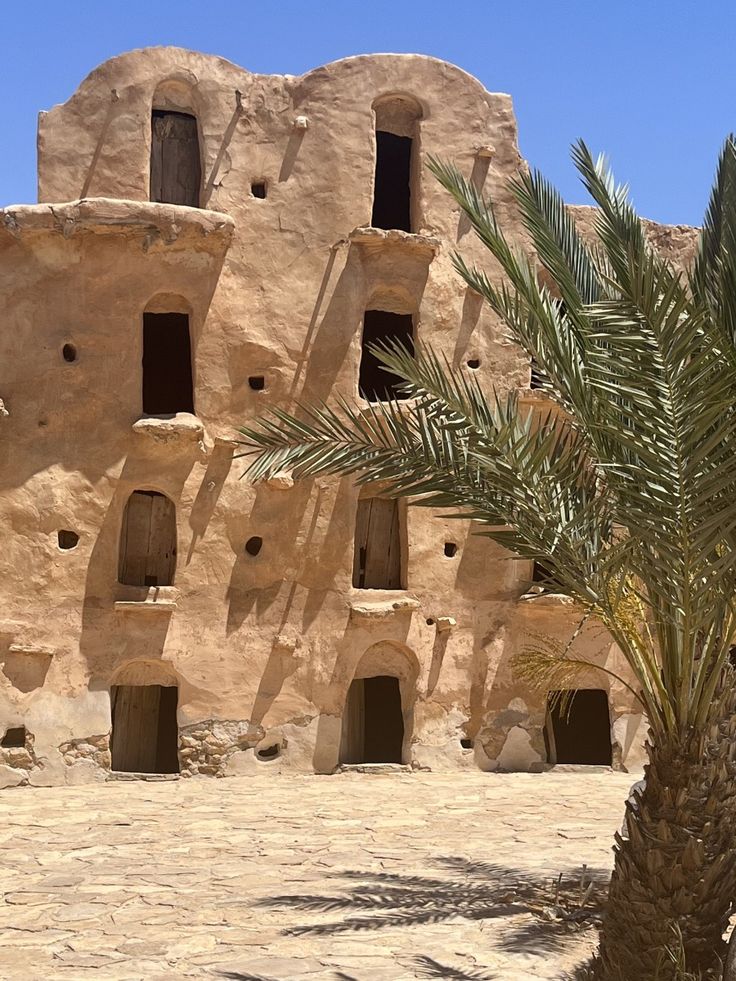
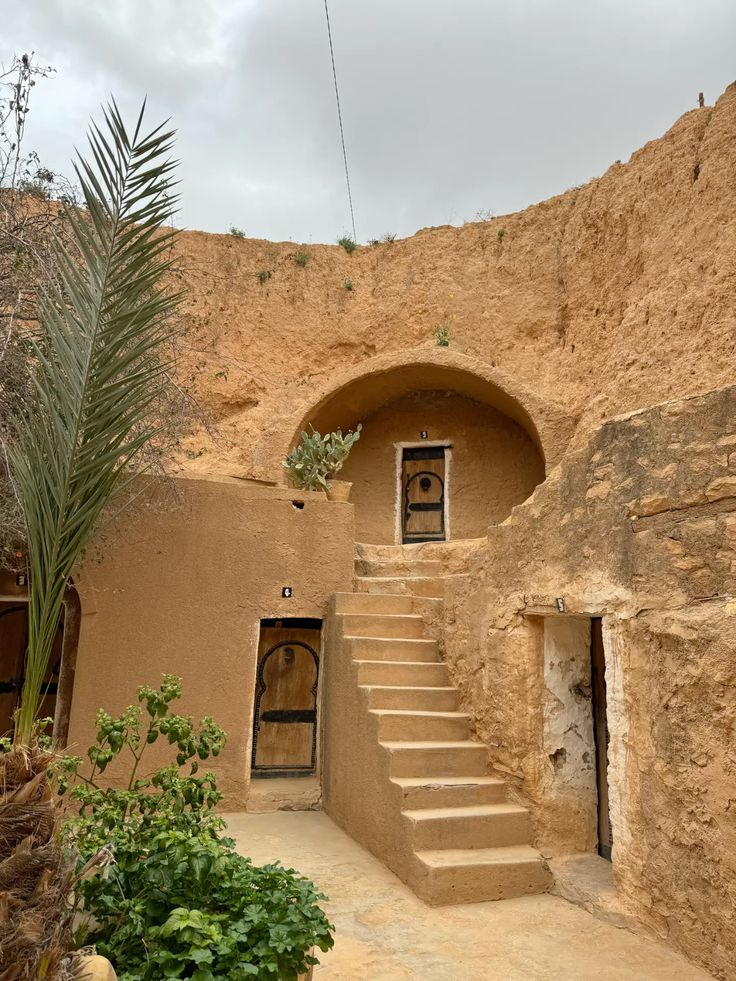
- The ksour and the cave dwellings: the fortified Berber granaries of Tataouine and Chenini, the underground houses of Matmata (dug into the ground to withstand the heat), and the canyon landscapes of the Dahar.
The Tunisian desert is also the setting for Star Wars: the Chott el Jerid for the Lars Homestead, Matmata for the Sidi Driss hotel, the ksour of Tataouine for the Ork Ghilane scenes — an international calling card that draws fans from all over the world.
The Algerian Desert: An Immensity in a Class of Its Own
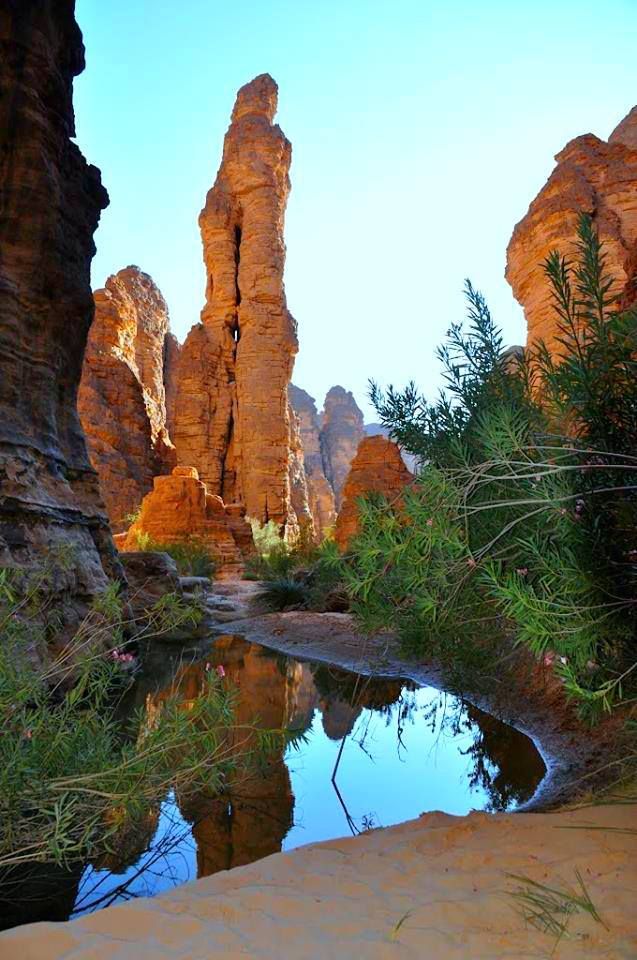
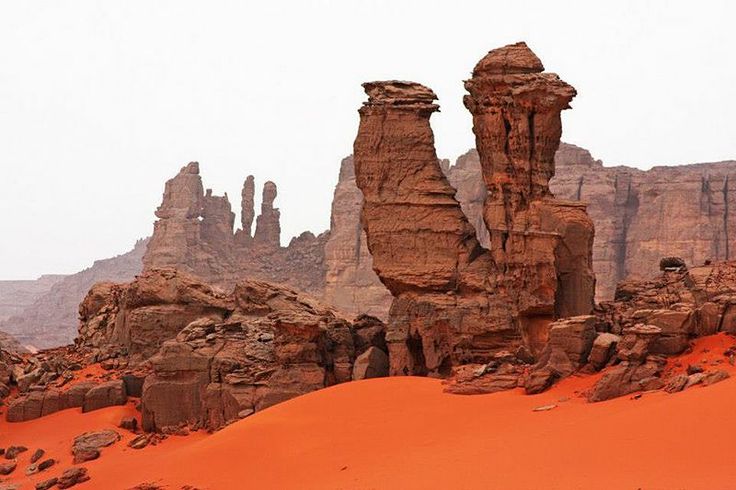
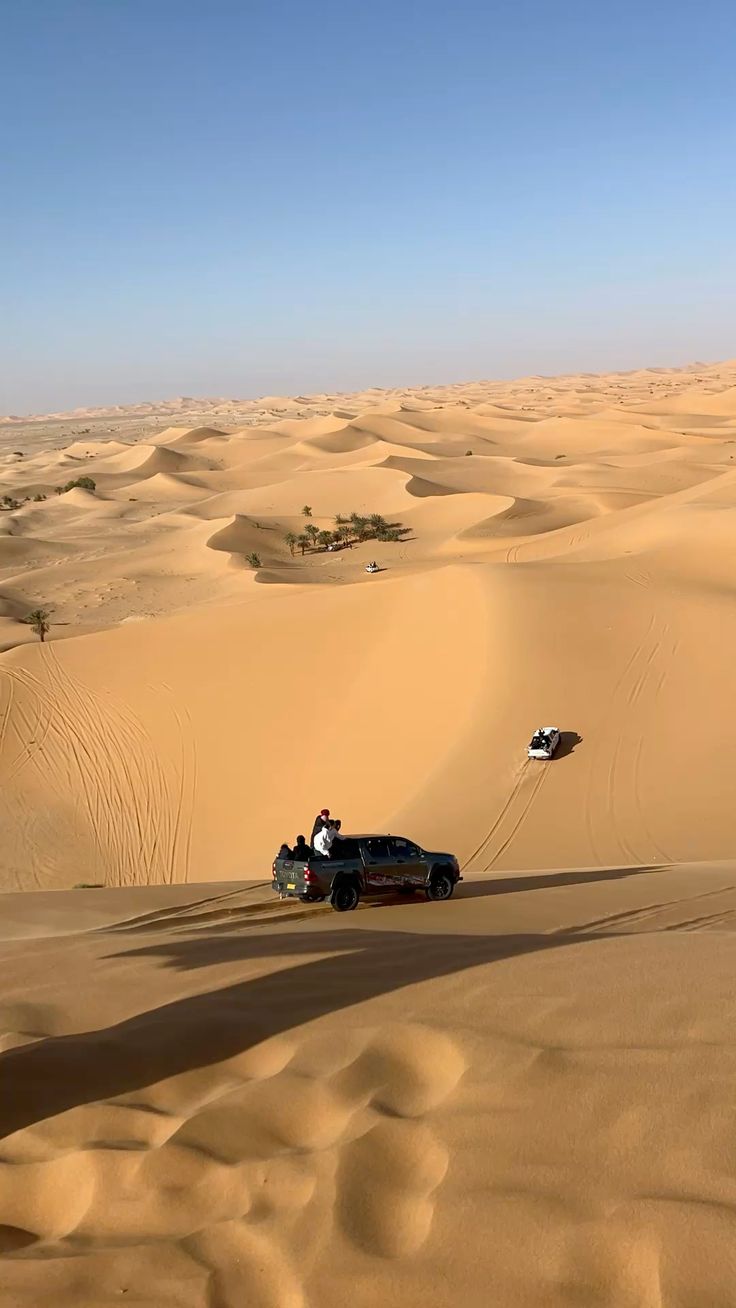
The Algerian desert covers around 2 million km², or 85% of the national territory — the largest portion of the Sahara belonging to a single state. This is not a desert, it is a continent of sand, stone and silence. It is made up of several radically different regions:
- The Grand Erg Oriental (185,000 km², dunes up to 120 m) and the Grand Erg Occidental (78,000 km²), around Taghit and Béni Abbès
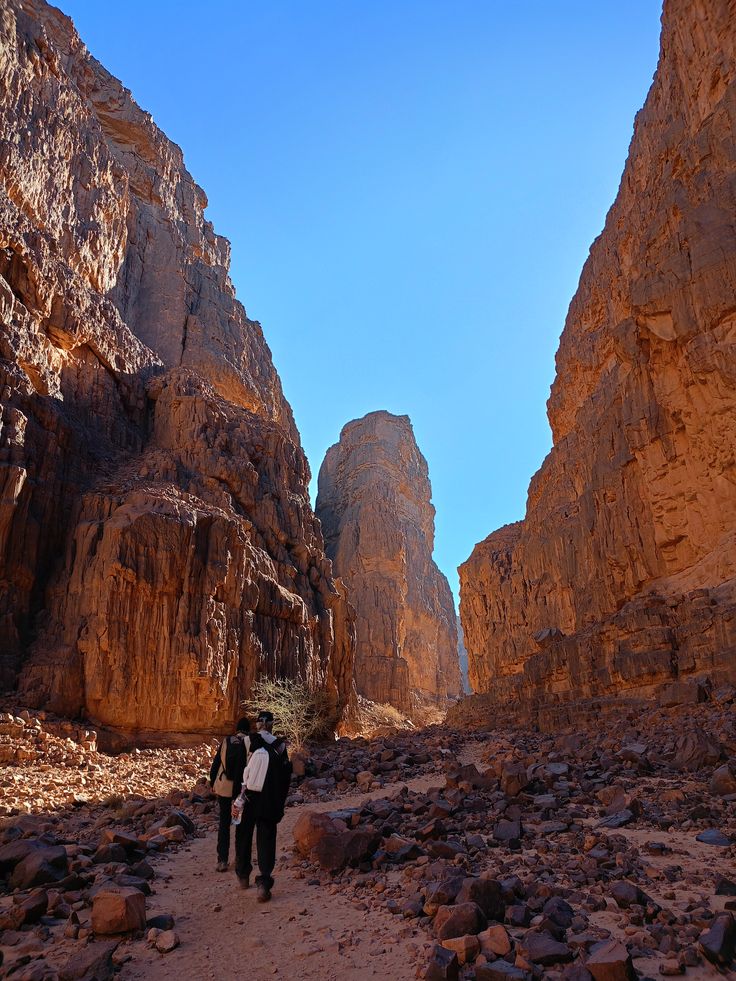
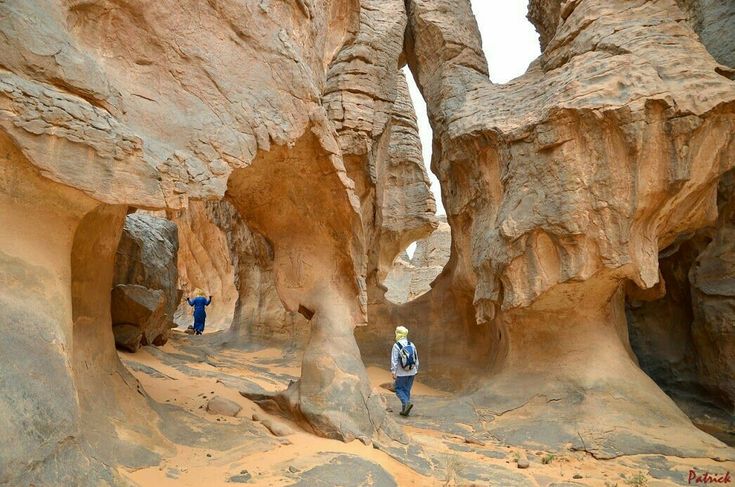
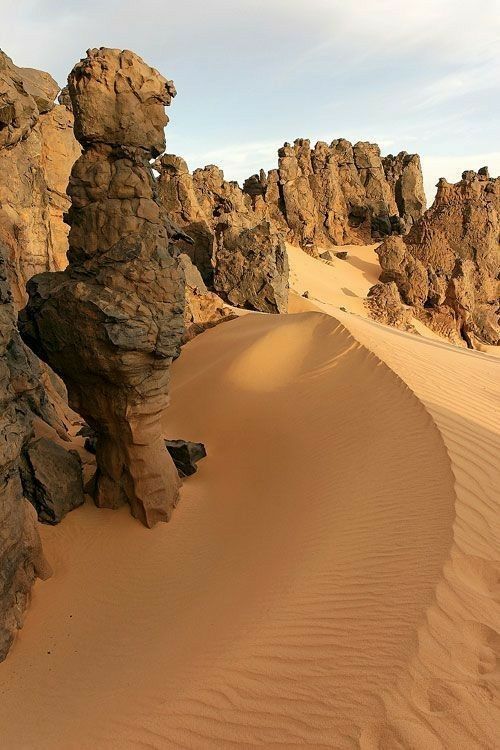
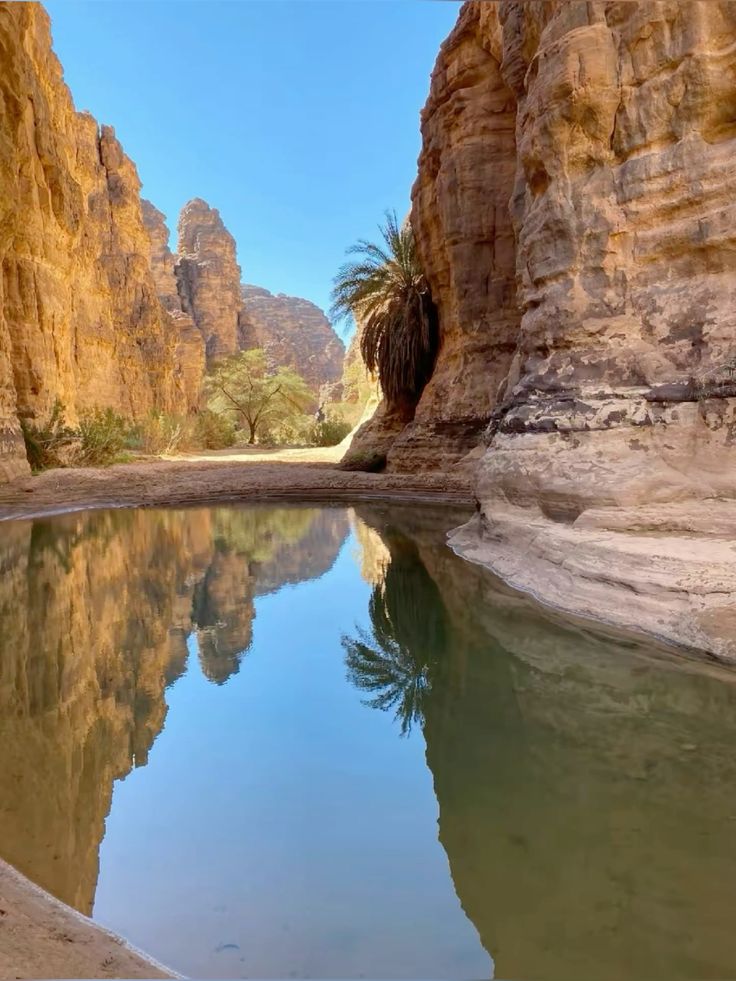
- The Red Tadrart south of Djanet: giant red dunes, canyons, natural arches and rock paintings in a landscape that changes colour with the hour — from yellow to burgundy by way of orange and blood red
- The Tassili n’Ajjer (UNESCO 1982): a sandstone plateau holding some 15,000 rock paintings and engravings dating back 6,000 to 12,000 years — one of the greatest open-air prehistoric museums in the world
- The Ahaggar (Hoggar) around Tamanrasset: a volcanic massif with Mount Tahat at 2,908 m, the highest point in Algeria
- The oases of Timimoun and Taghit and the Saoura valley
The Key Differences
1. Scale: A Compact Desert vs an Endless Immensity
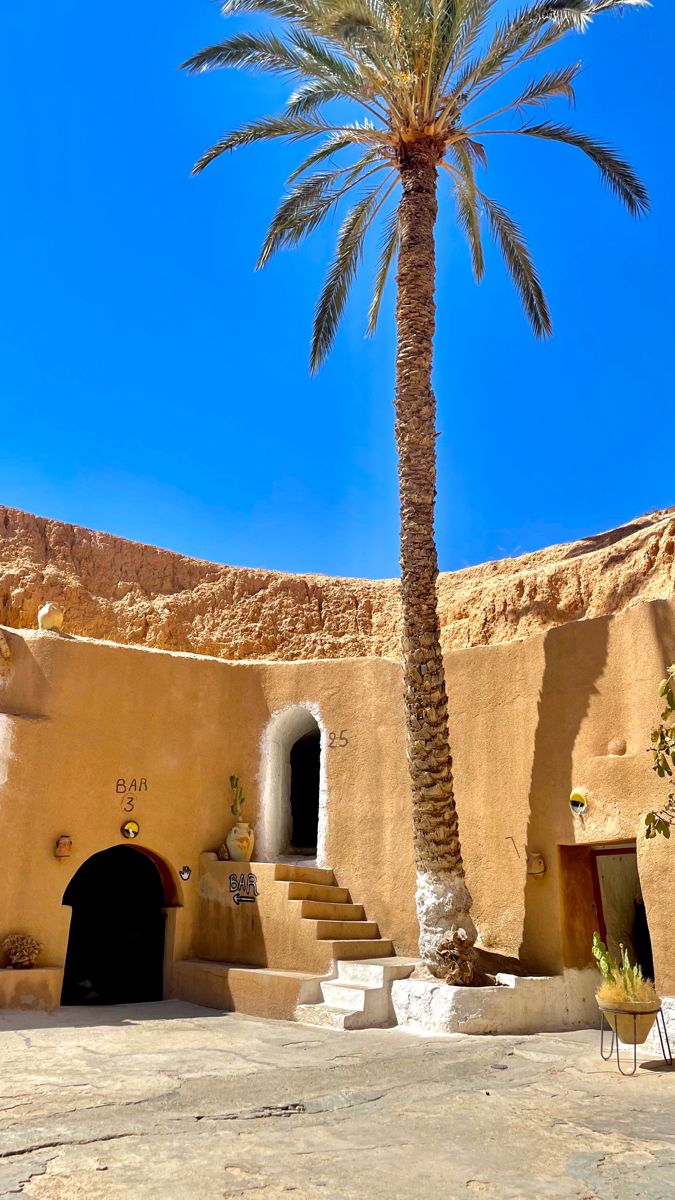
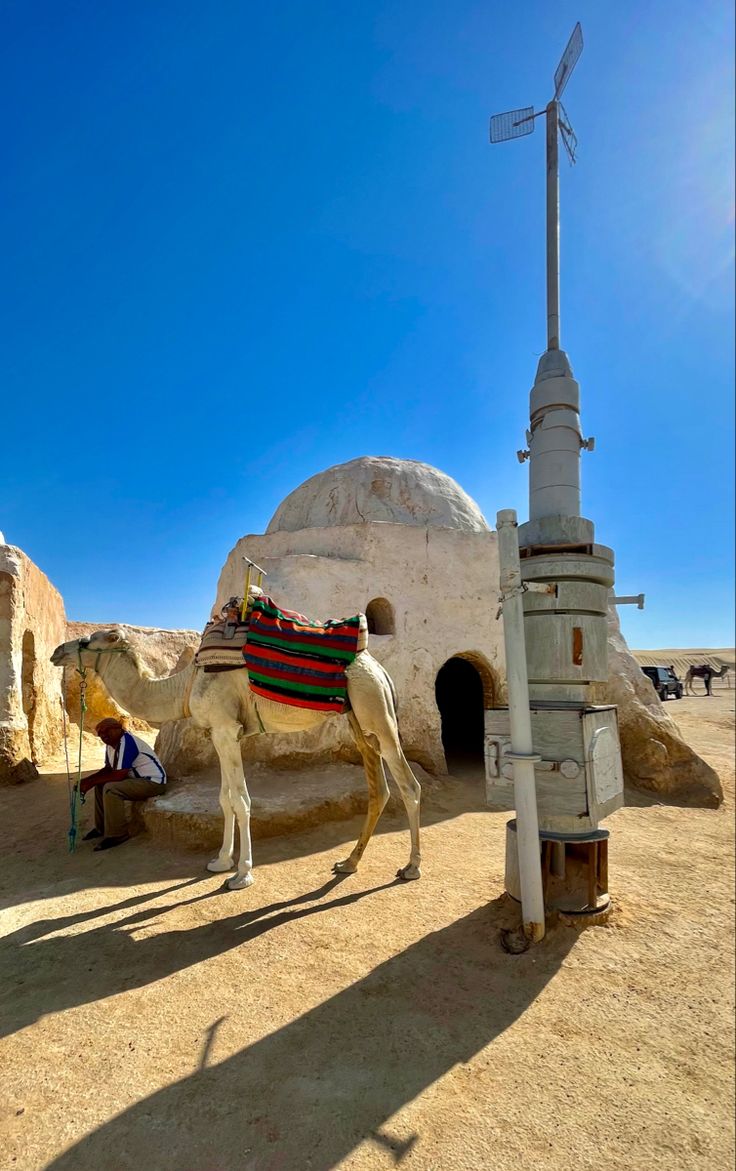
This is the fundamental difference. The Tunisian desert is a desert on a human scale: you can see the essentials in a 3-to-5-day tour. Douz, the Chott, Ksar Ghilane, Matmata, Tozeur — everything follows on naturally along a well-marked loop. That is a strength: in very little time you gather a wide range of experiences.
The Algerian desert cannot be summed up in 5 days. The Tadrart alone can fill a week of travelling. The Ahaggar is another week. The oases of the Saoura, another still. This is not a tour — it is a territory.
2. Visitor Numbers and Authenticity
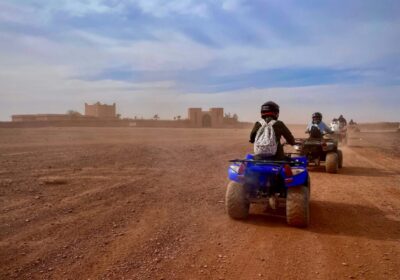
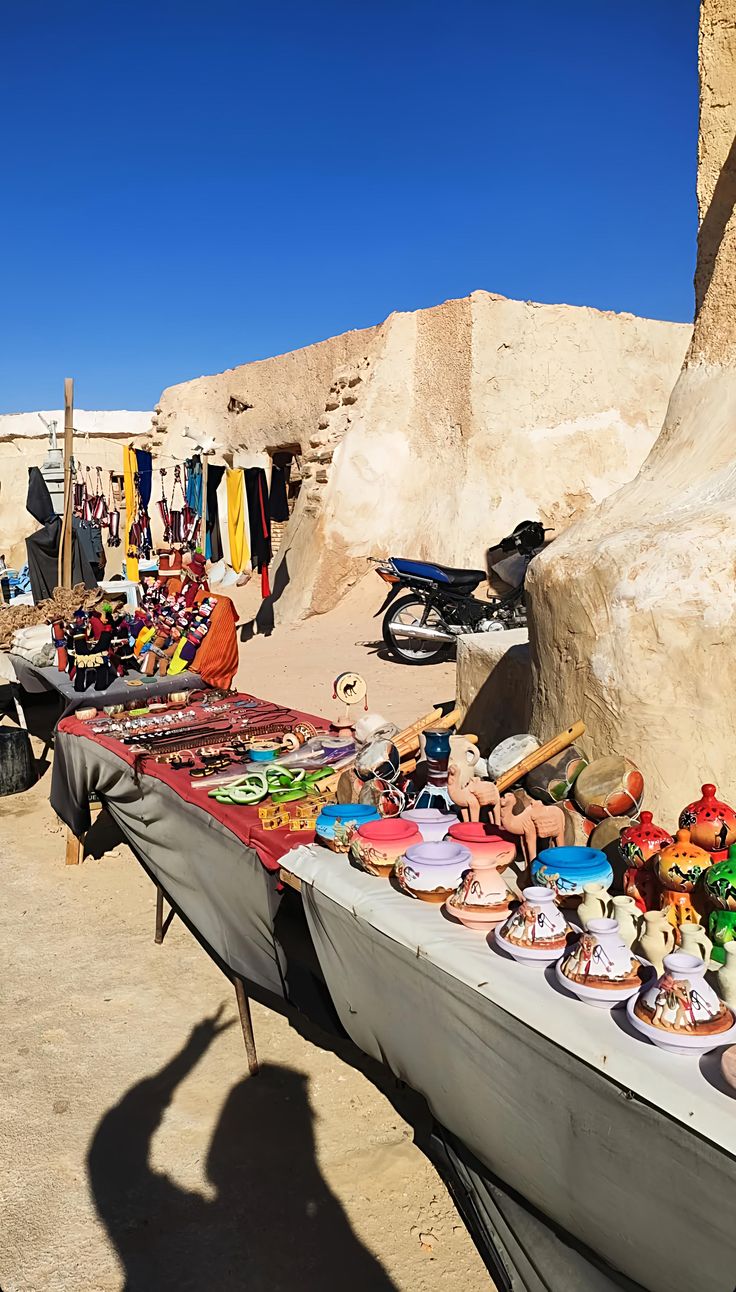
The Tunisian desert is well developed for tourism. In high season, Ksar Ghilane is an oasis where several camps sit side by side with quad bikes, 4x4s and organised groups — a festive atmosphere, but sometimes overwhelming if you are after solitude. Douz receives thousands of visitors every weekend. The beauty is real, but the setting is touristy.
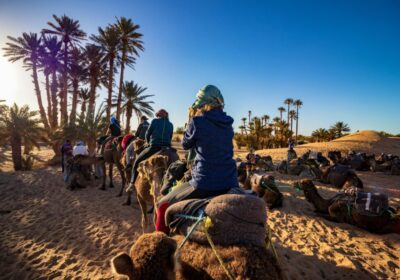
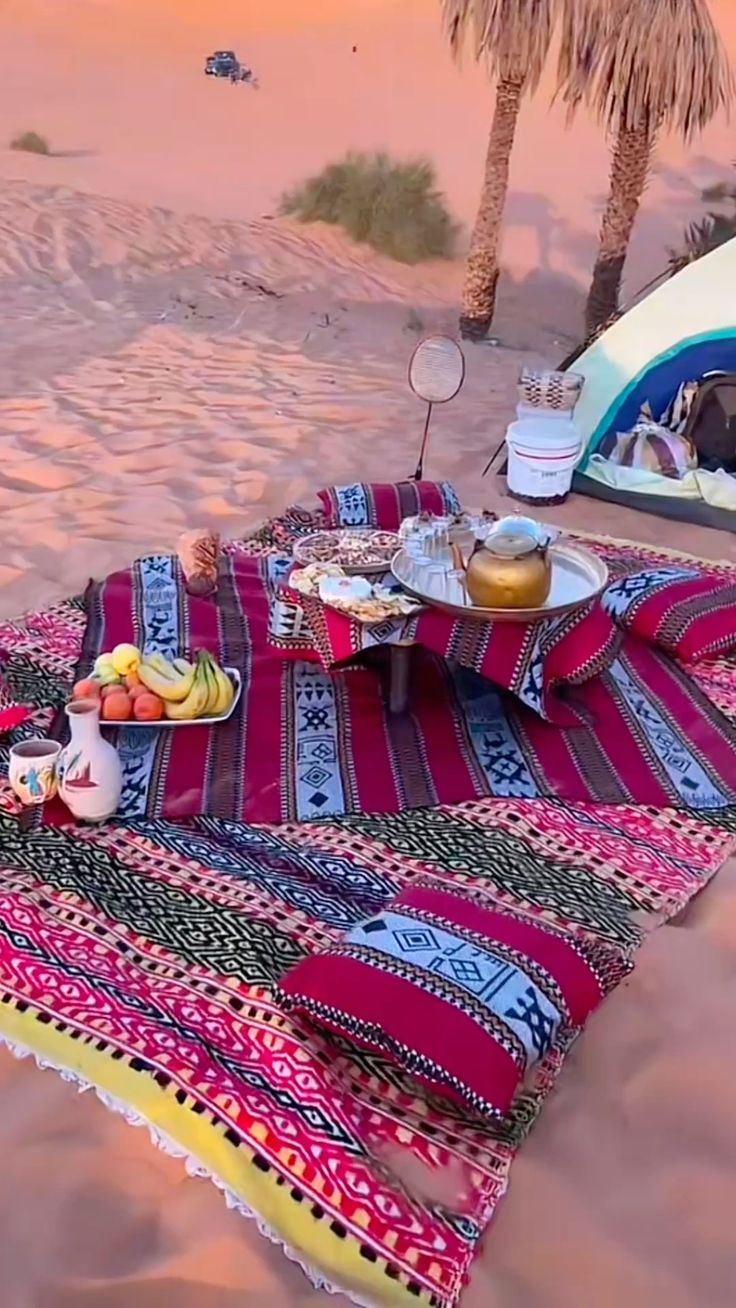
The Algerian desert is one of the last great deserts still spared mass tourism. The town of Djanet, gateway to the Tadrart, welcomed around 24,000 tourists across the whole 2024-2025 season. In the deep Algerian Sahara you can spend hours, even entire days, without meeting another traveller. The bivouacs are real — no folkloric re-enactment. The Tuareg guides who accompany you are nomads who know every dune, every engraving, every spring.
3. Accessibility and Logistics
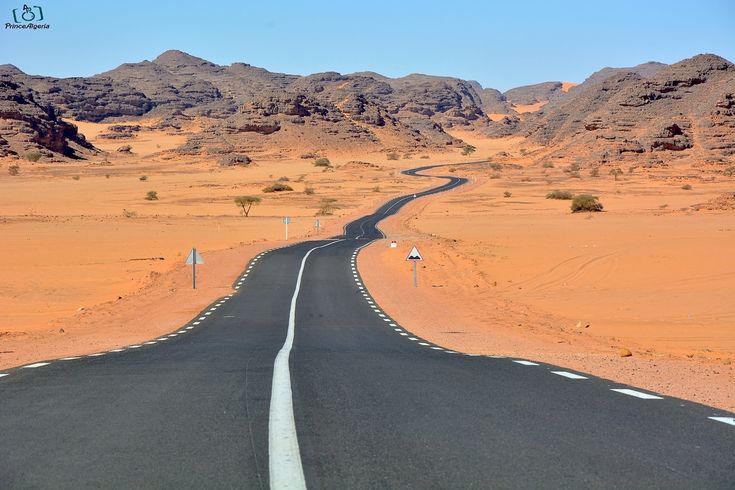
The Tunisian desert wins hands down on this count. No visa for European nationals. Tarmac roads right to the main destinations. Dozens of agencies and hotels at every price point from Djerba, Tunis or Tozeur. A day trip to Ksar Ghilane from Djerba is possible. The 3-to-5-day tours in southern Tunisia are among the easiest to organise anywhere in the Sahara.
The Algerian desert takes more preparation. A visa is required (procedures have been simplified thanks to visa-on-arrival, available for several nationalities). An accredited local guide is mandatory for any excursion into the deep desert — a safety rule, but also a guarantee of an authentic experience. Domestic flights from Algiers to Djanet or Tamanrasset (€150–250 return) are necessary. A direct Paris-Djanet flight opened recently, making access from Europe easier.
4. Diversity of Landscapes
On this point the two deserts each have their strengths, but in different registers.
Tunisia offers a varied palette within a few kilometres: sand dunes (the Grand Erg), a salt lake (Chott el Jerid), mountain oases with waterfalls (Chebika, Tamerza), cave villages (Matmata), Berber ksour (Tataouine) and palm groves (Tozeur). This is the “all-inclusive” version of the desert — maximum diversity within a small area.
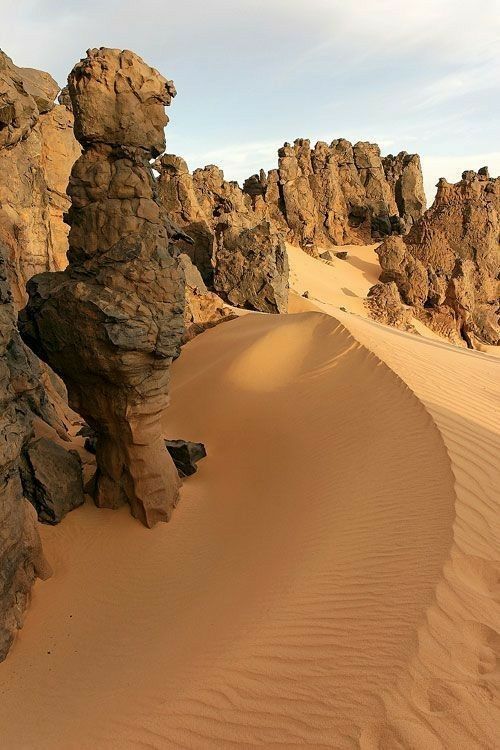
Algeria offers landscapes that are rawer, more intense, rarer. The Tadrart looks like nothing else on Earth: dunes of a red that blazes at sunset, sandstone arches tens of metres high, narrow canyons where the silence is total. The Tassili n’Ajjer, with its 15,000 rock artworks, is an archaeological experience without equal. The Ahaggar, with its volcanic peaks and its sunsets over the Assekrem, is one of the summits of the world’s deserts.
5. Heritage and Culture
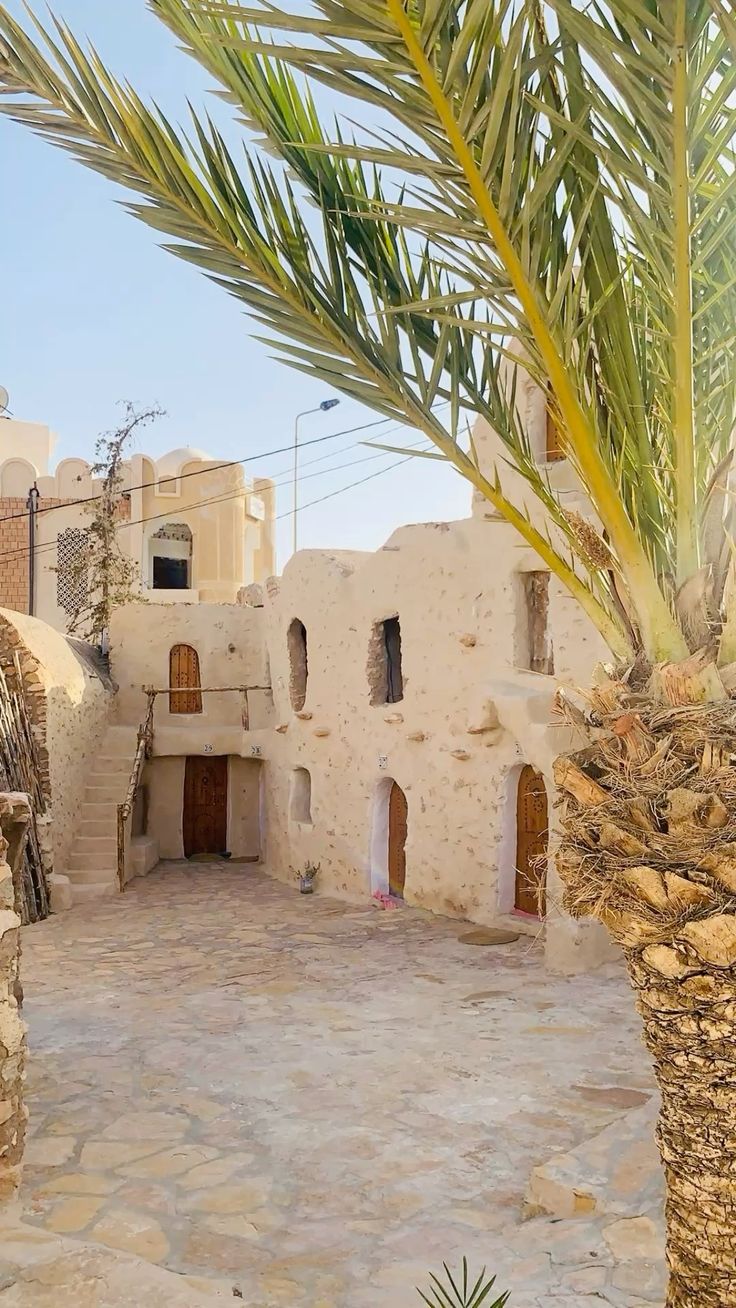
The Tunisian desert offers a rich and varied cultural heritage: Berber ksour, the medinas of Tozeur and Gabès, the ethnographic museum of Douz, the nomadic traditions of the Jerid, and of course a strong link to global pop culture through Star Wars.
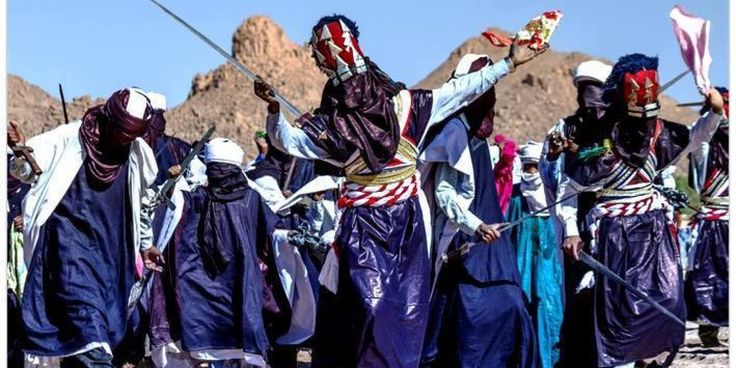
The Algerian desert is on another heritage plane altogether. The Tassili n’Ajjer is a UNESCO World Heritage site that documents 12,000 years of human history in images — from a green Sahara populated by hippopotamuses to today’s desert. The Sebiba of Djanet, a Tuareg festival inscribed on UNESCO’s Intangible Cultural Heritage list, is one of the most authentic celebrations in the Saharan world. Tuareg culture, living and not re-enacted, gives the experience a rare human dimension.
6. Budget
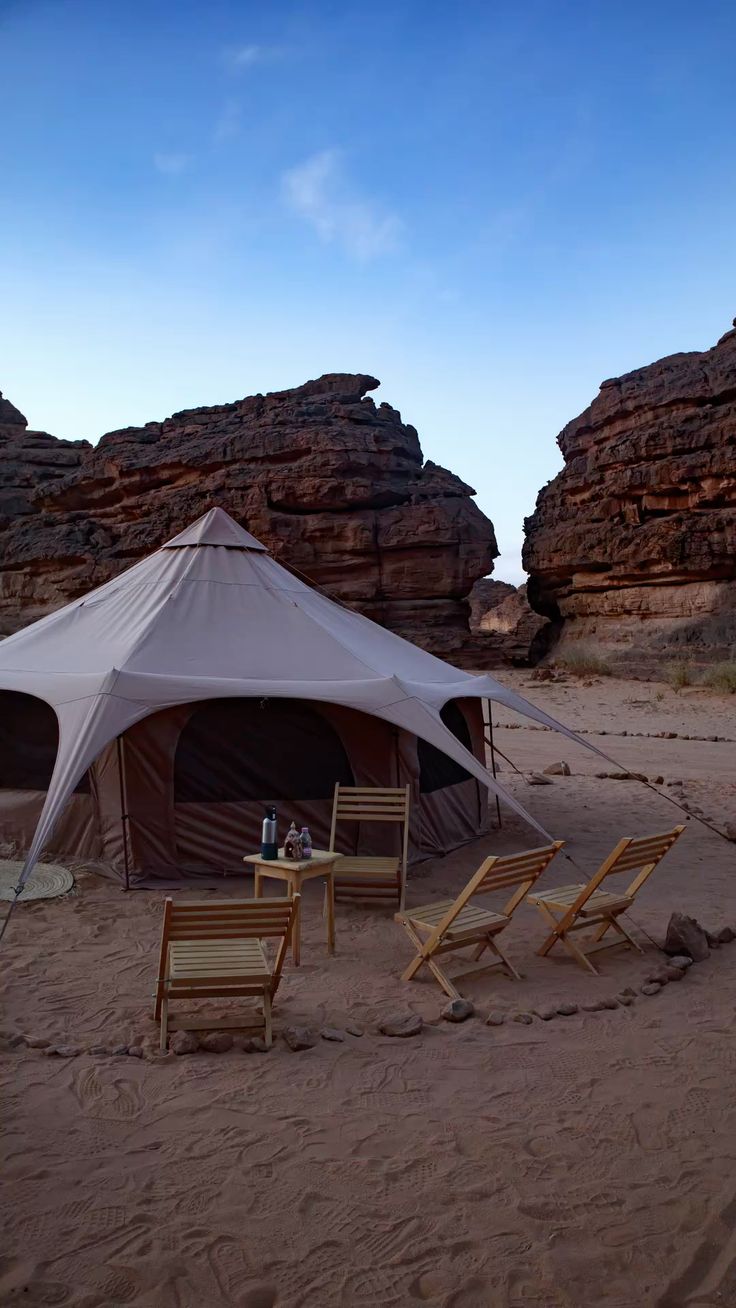
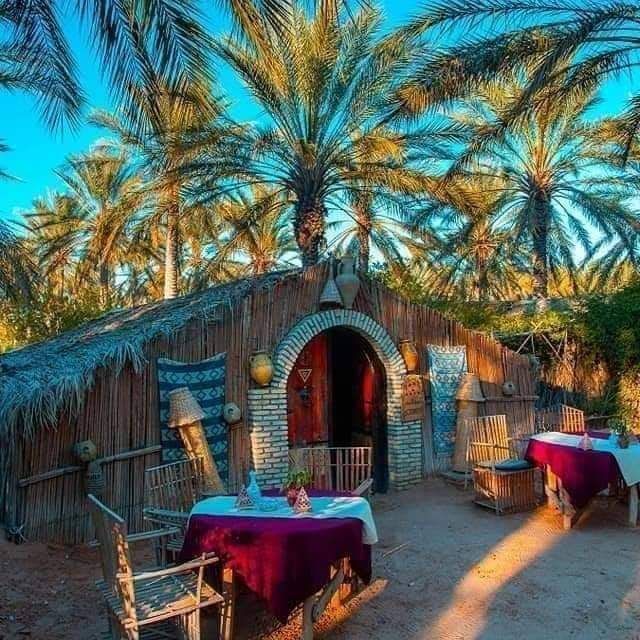
A 3-to-5-day tour in southern Tunisia from Djerba or Tozeur is one of the most affordable Saharan experiences: a night at Ksar Ghilane with 4×4 transport and full board comes to 200–350 TND per person (roughly €60–110). A luxury bivouac at the foot of the Douz dunes can exceed €150 a night, but budget options exist for everyone.
In Algeria, an organised 7-day tour in the Ahaggar comes to €800–1,500 all in. The Tadrart over 10 days is in the same upper bracket. Domestic flights and the mandatory guide are unavoidable costs. On the ground, however, meals and homestay or bivouac accommodation are inexpensive — it is the logistics of getting there that push the budget up.
Comparison Table: Tunisian Desert vs Algerian Desert
| Tunisian desert | Algerian desert | |
|---|---|---|
| Desert area | ~60,000 km² | ~2 million km² |
| Flagship destinations | Douz, Ksar Ghilane, Chott el Jerid, Tozeur, Matmata | Djanet/Tadrart, Tamanrasset/Hoggar, Timimoun, Taghit |
| Signature landscape | Chott el Jerid (salt lake, 5,000–7,000 km²) | Red Tadrart (red dunes, canyons, arches) |
| UNESCO heritage | Roman sites of Carthage (north) | Tassili n’Ajjer (rock art + geology) |
| Rock art | Limited | ~15,000 paintings and engravings (Tassili) |
| Star Wars | Yes (Chott, Matmata, Tataouine) | No |
| Visitor numbers | High (organised tourism) | Very low (adventure travel) |
| Visa (EU nationals) | Not required | Required (being simplified) |
| Mandatory guide | No | Yes (deep desert areas) |
| Minimum tour | 3 days (Douz + Chott + Matmata) | 7 days (minimum for the Tadrart or the Hoggar) |
| Indicative budget | €60–350 per person (3–5 days) | €800–1,500 per person (7–10 days) |
| Ideal for | A first desert, families, a complete tour | Adventure, solitude, total immersion, rock art |
Which One to Choose for Your Profile?
Choose the Tunisian desert if:
- This is your first Saharan trip and you want a well-organised introduction
- You are short on time — 3 to 5 days are enough to experience the essentials
- You want to combine the desert with other attractions: medinas, the beaches of Djerba, Roman sites
- You are travelling as a family, with children or with people of reduced mobility
- You are a Star Wars fan — Tatooine was filmed here
- You are looking for comfort and reasonable prices without much paperwork
- You are coming from the coast (Hammamet, Djerba) and want to add a few days of desert
Choose the Algerian desert if:
- You have already done Tunisia or Morocco and you are looking for another scale entirely
- You want a genuinely empty desert — no groups, no quad bikes, no noise
- The Tassili n’Ajjer and prehistoric rock art fascinate you
- You want the red dunes of the Tadrart — a landscape very few Western travellers have seen
- You are looking for a genuine encounter with Tuareg culture
- You are ready to invest time, preparation and a larger budget in exchange for a rare experience
- You have at least 7 to 10 days to devote to the Deep South
If you have to choose one or the other in a single sentence:
The Tunisian desert is the Sahara within everyone’s reach. The Algerian desert is the Sahara as it was before tourism.
Can You Combine the Two?
Yes — and it is even a natural combination! Agencies offer tours that start in Djerba or Tozeur, cross southern Tunisia and then continue into the Algerian desert via the Grand Erg Oriental. The geographical closeness (the Grand Erg Oriental is shared between the two countries) makes for a coherent continuity of landscape. The two trips complement each other perfectly: Tunisia for the introduction and the diversity, Algeria for the immersion and the immensity.
Planning Your Trip to the Algerian Desert
Our complete guide to the Algerian Sahara helps you choose between the various destinations. To refine your choice between the Deep South (Djanet, Tamanrasset) and the oases (Timimoun, Taghit), see our Deep South vs oases comparison. Before you travel, check the visa requirements for Algeria. For a tailor-made tour, contact our local team.
FAQ — Tunisian Desert or Algerian Desert?
Which is bigger, the Tunisian desert or the Algerian desert?
The Algerian desert is by far the vaster: it covers around 2 million km², or 85% of Algerian territory. The Tunisian desert amounts to roughly 60,000 km². Algeria holds the largest portion of the Sahara belonging to a single state anywhere in the world.
Do you need a visa to visit the Tunisian or Algerian desert?
No visa is required for European nationals in Tunisia. For Algeria a visa is needed, but procedures are being simplified step by step, with online applications for several nationalities. An accredited local guide is mandatory for the deep desert areas in Algeria.
Where are the Star Wars film sets in the desert?
The Star Wars films were shot mainly in Tunisia: the Chott el Jerid for the Lars Homestead (Tatooine), the Sidi Driss hotel in Matmata for the interiors, the ksour of Tataouine for the exterior sets. Algeria was not used as a Star Wars location.
When is the best time for the Tunisian or Algerian desert?
For both, the best period is October to April. Temperatures are mild (15–25 °C during the day). Summer should be ruled out: 45 °C day after day, no shade, a risk of heatstroke. In the Tunisian Chott el Jerid, summer heat raises the salt concentration and intensifies the mirages — spectacular, but dangerous.
Can you combine Tunisia and Algeria in a single Saharan trip?
Yes. Combined Tunisia-Algeria tours exist, in particular from Djerba or Tozeur towards the Algerian oases via the Grand Erg Oriental. The geographical continuity is natural, since the Grand Erg Oriental is shared between the two countries. It is the ideal itinerary for a complete immersion in the North African Sahara.
Is the Algerian desert safe for tourists?
Yes, with the usual precautions. The accredited local guide, mandatory for desert areas, is also the best guarantee of safety. The best season (October-April) avoids the risks tied to extreme heat. Organised tours from Djanet or Tamanrasset are well established and led by experienced Tuareg professionals.