Last updated: 2026.
Algeria is one of those countries where the question “when should I go?” changes radically with the destination. While Algiers is taking November’s rain, Djanet is in its high season. While snow falls on the Djurdjura, Taghit sits at 22 °C in full sun. Here are the answers, region by region.
Table of Contents
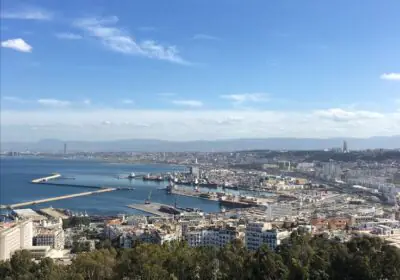
The North and the Coast — Algiers, Oran, Annaba, Béjaïa
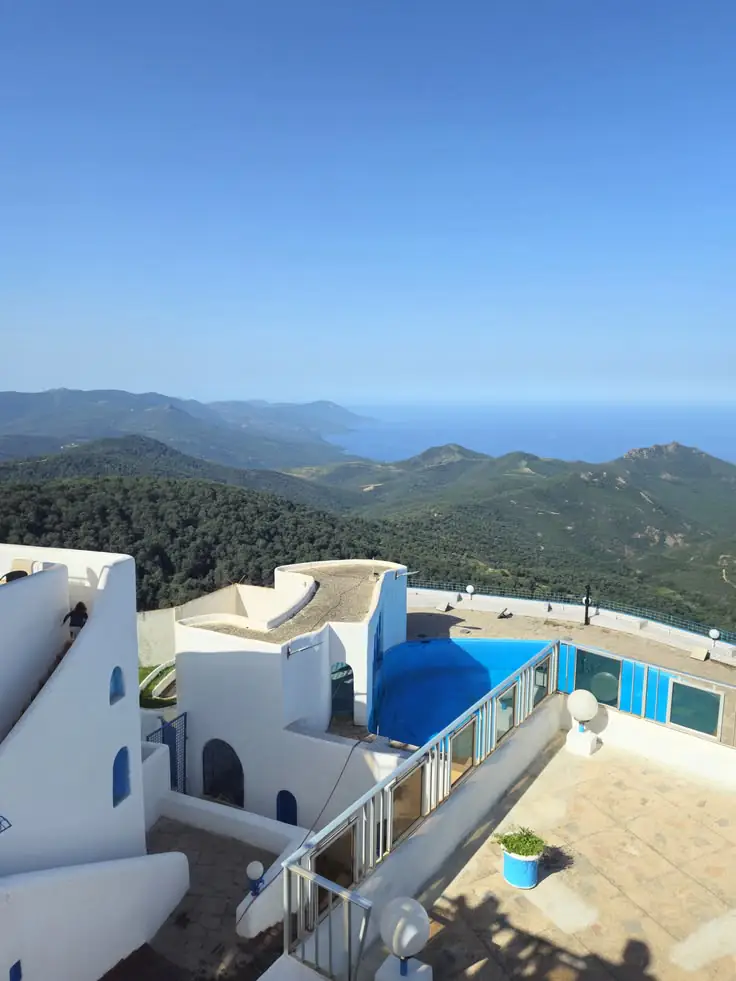
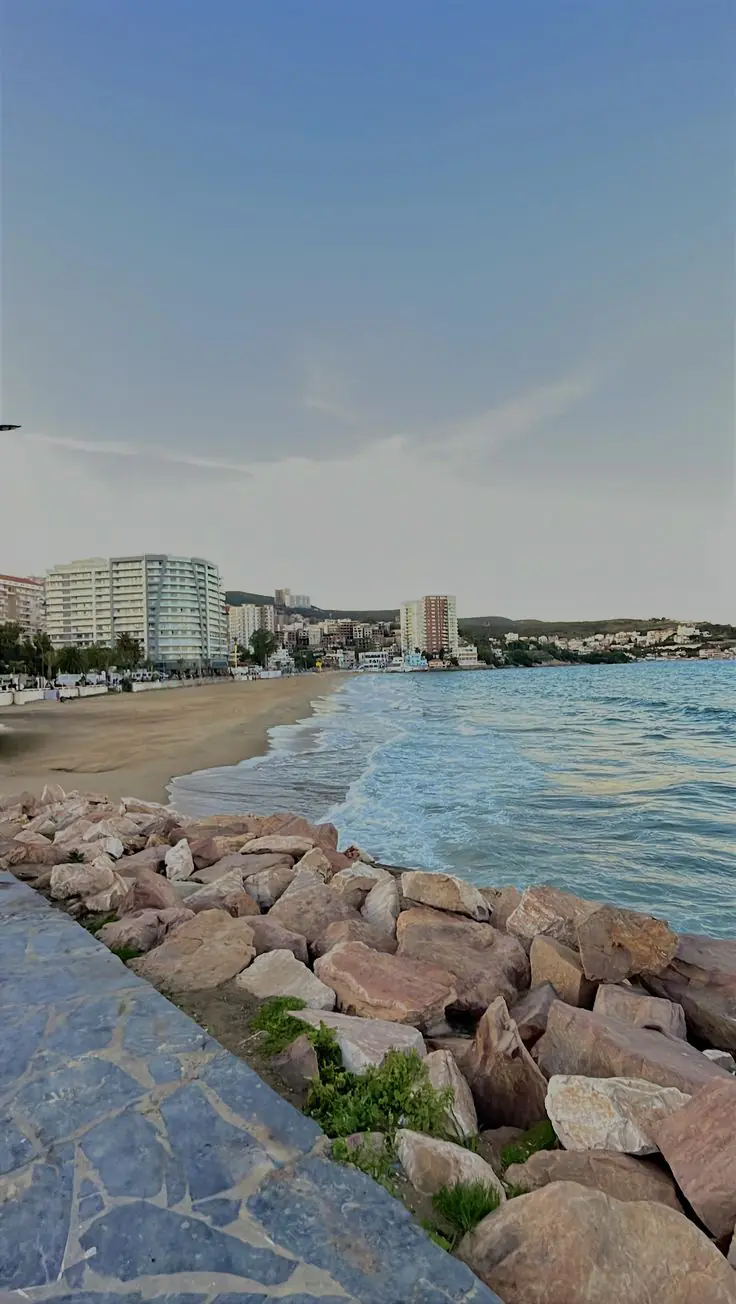
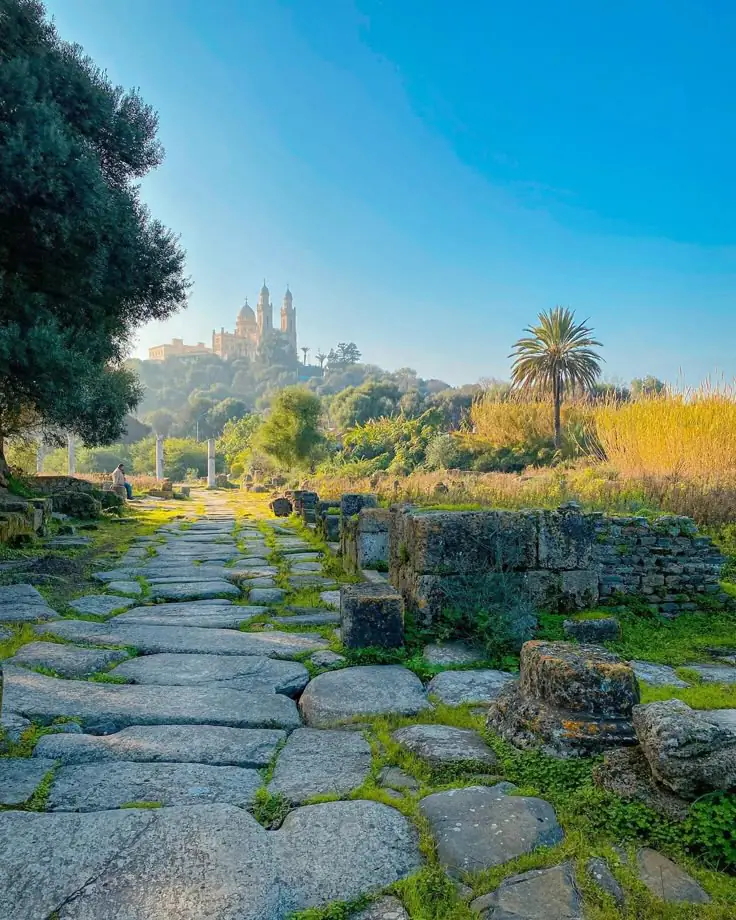
Best period: April-June and September-October
| Month | Temperatures | Conditions | Recommendation |
|---|---|---|---|
| Jan-Mar | 8-17 °C | Frequent rain, mild | 🔵 Cultural sightseeing, few visitors |
| Apr-Jun | 18-28 °C | Sunny, dry | ✅ Ideal — everything is possible |
| Jul-Aug | 28-38 °C | Very hot, dry | ⚠️ Beaches only |
| Sep-Oct | 20-28 °C | Mild, warm sea | ✅ Ideal — everything is possible |
| Nov-Dec | 10-18 °C | Rain, cool | 🔵 Acceptable |
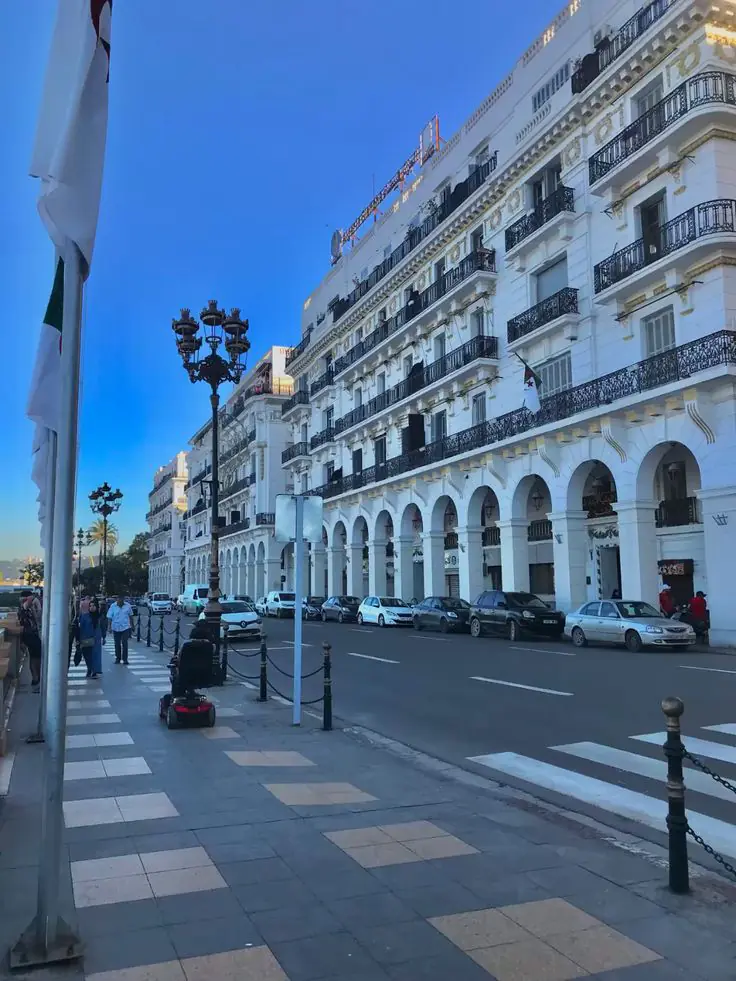
Summer remains bearable by the sea thanks to the breeze, but visiting open-air sites (the Casbah, Tipaza) is gruelling in the middle of the day. October is often the most pleasant month: the sea is still at 24-25 °C, the rains have not really started and the sites are far less busy than in July.
Kabylia — Villages, Hiking, the Djurdjura
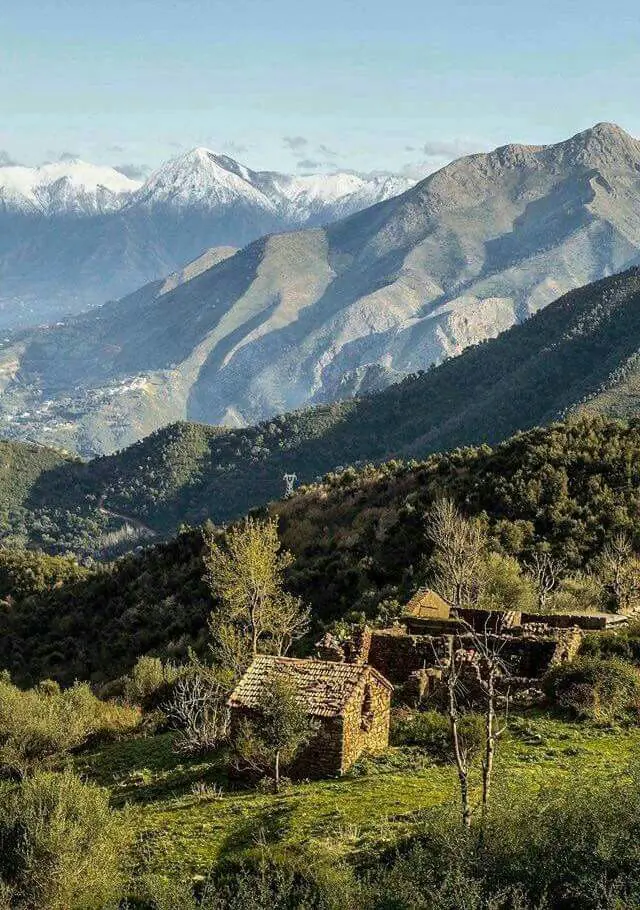
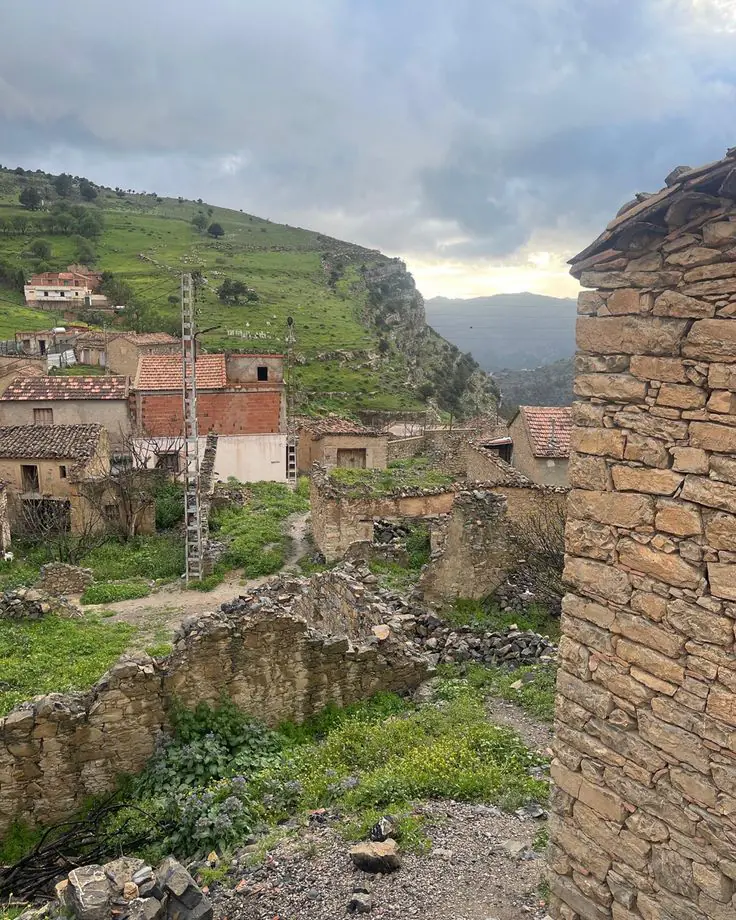
Best period: May-June (hiking) / October-November (the olive harvest)
| Month | In the mountains | On the coast | Recommendation |
|---|---|---|---|
| Jan-Mar | -7 °C to 5 °C, frequent snow above 1,500 m | 10-17 °C, rain | 🔵 Coast only / mountains for the experienced |
| Apr-Jun | 12-22 °C, lush green | 18-26 °C | ✅ Ideal for hiking and villages |
| Jul-Aug | 20-28 °C at altitude | 26-32 °C, crowded beaches | ⚠️ Kabyle beaches (Tigzirt, Boulimat, Tichy) |
| Sep-Oct | 12-22 °C, autumn colours | 20-27 °C | ✅ Ideal — olive harvest in Oct-Nov |
| Nov-Dec | 3-10 °C, snow possible | 12-18 °C | 🔵 Pleasant coast / cool mountains |
Kabylia has two faces depending on altitude. In summer the Djurdjura villages are welcome refuges from the heat of the north — but the beaches of Béjaïa and Tigzirt are then very busy with Algerian holidaymakers. If you are coming for the villages and the culture, go for spring or autumn, away from the summer crowds. October is a particularly rich season: the oil mills are running, the markets overflow with fruit and the light on the olive trees is superb.
The North-East — Constantine, Annaba, the Aurès, Timgad, Djemila
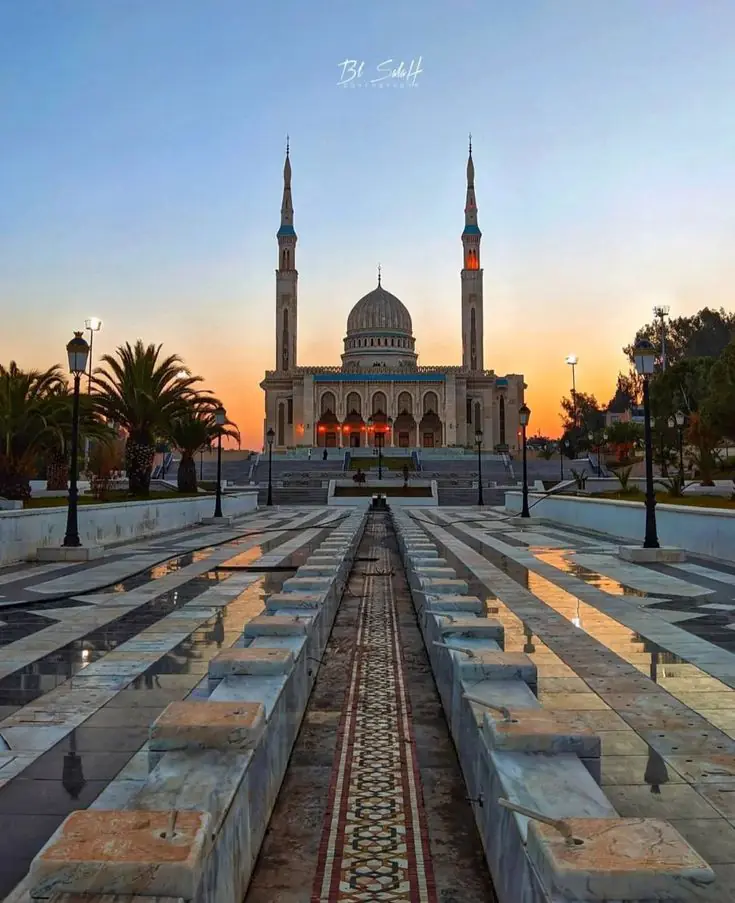
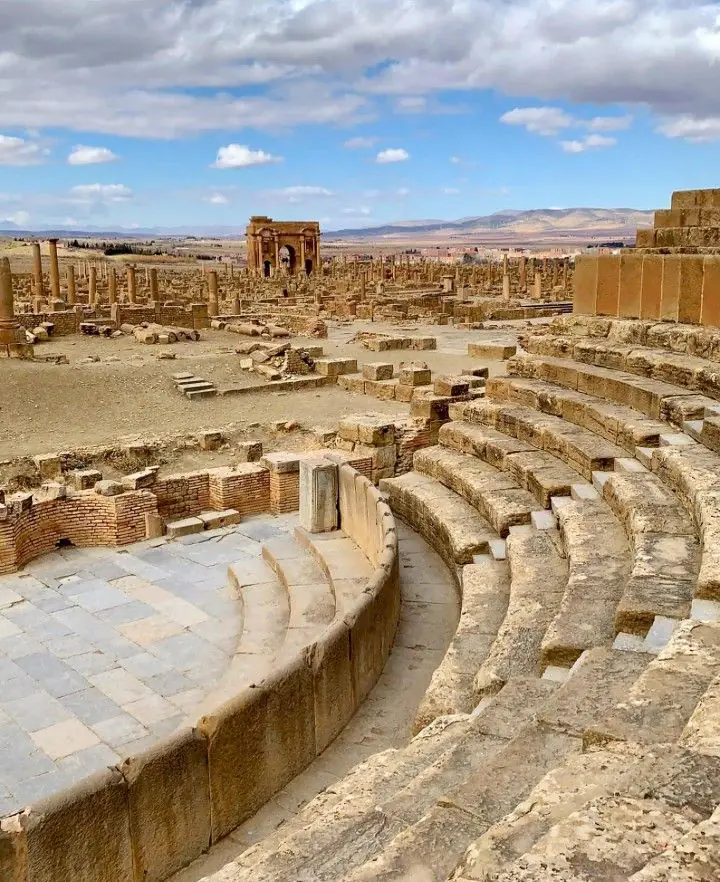
Best period: April-May and September-October
| Month | Temperatures | Conditions | Recommendation |
|---|---|---|---|
| Dec-Feb | -18 °C to 8 °C (Aurès) / 7-14 °C (Constantine) | Frequent snow in the mountains | 🔵 Snow-covered Aurès — for the adventurous |
| Mar-May | 12-25 °C | Mild, bright | ✅ Ideal for the Roman sites |
| Jun-Aug | 30-50 °C (Aurès) | Heatwave | ❌ To be avoided for outdoor visits |
| Sep-Oct | 15-27 °C | Golden light, pleasant | ✅ Ideal — perfect for Timgad and Djemila |
| Nov | 8-18 °C | Cool, some rain | 🔵 Still fine |
Timgad and Djemila are visited in the open air, across vast sites with no shade — summer heat makes them exhausting. The low light of September and October gives the Roman stones an exceptional warm tone, ideal for photography. If you visit Constantine in winter, bring warm clothes: the city sits at 650 metres and the nights can be freezing.
The West — Oran, Tlemcen, the Oran Coast
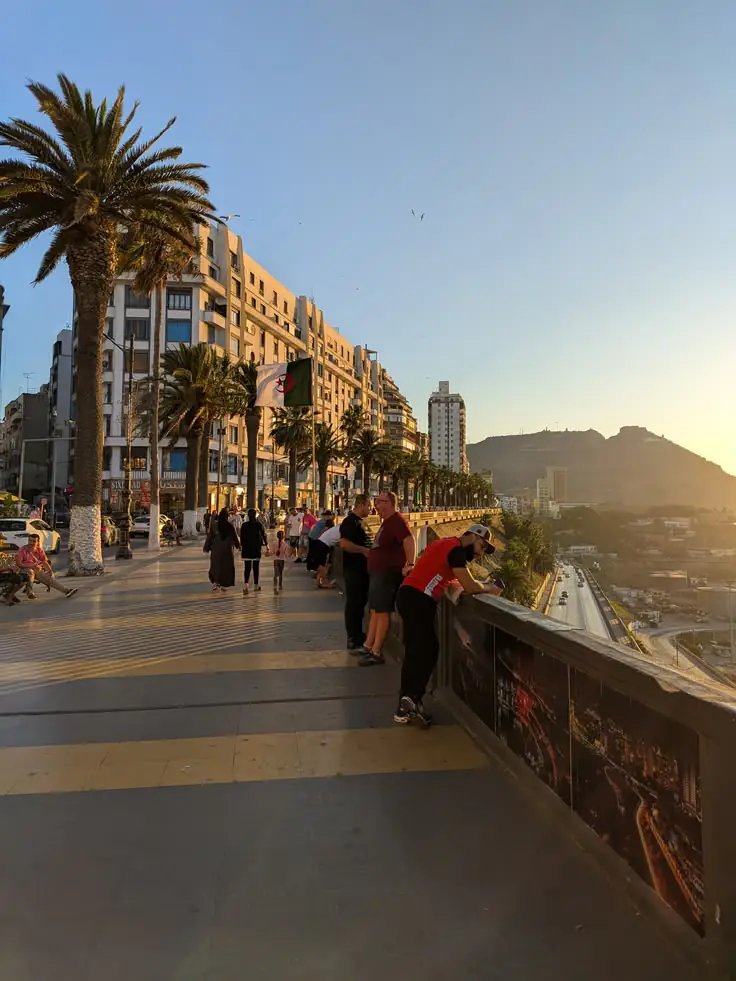
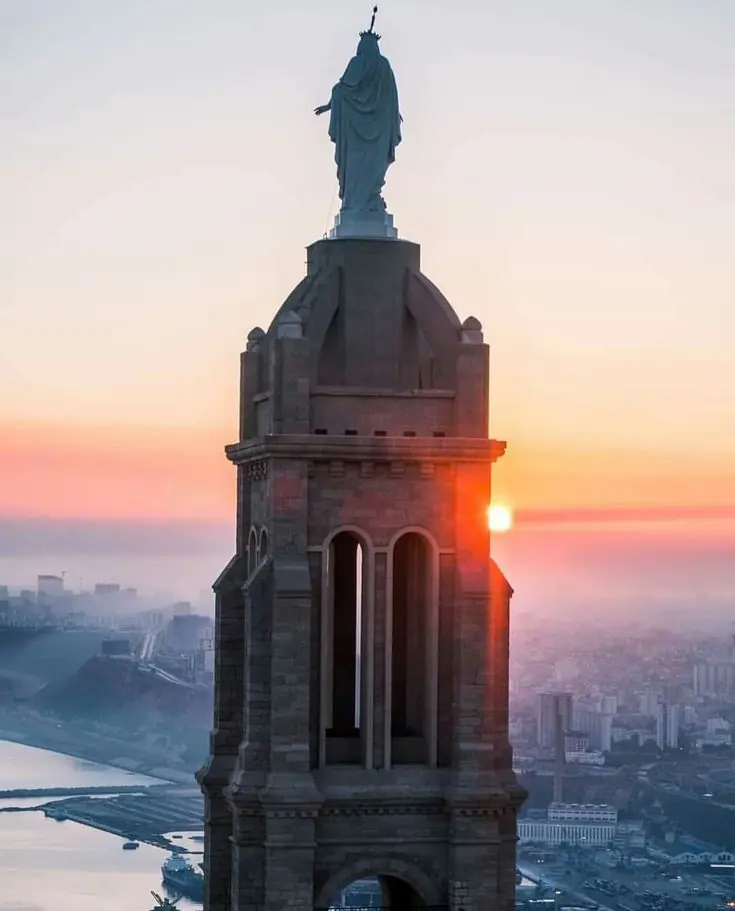
Best period: April-June and September-November
| Month | Temperatures | Conditions | Recommendation |
|---|---|---|---|
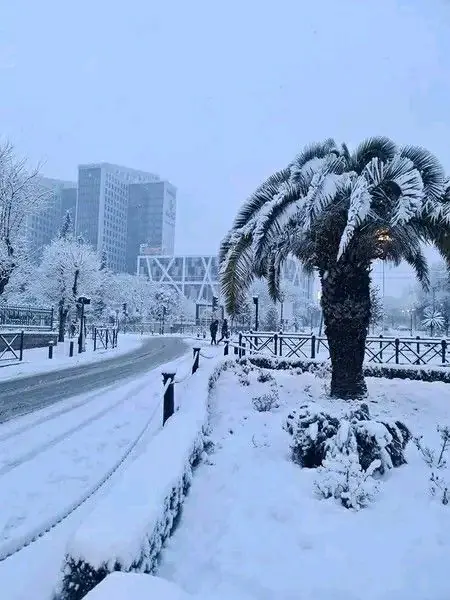
| Dec-Feb | 6-14 °C (it can snow in Tlemcen) | Cool to cold, rain | 🔵 Tlemcen under snow — a unique atmosphere |
| Mar-Jun | 15-28 °C | Sunny, mild | ✅ Ideal for the sites and the city |
| Jul-Aug | 28-36 °C | Hot, dry | ⚠️ Oran beaches only |
| Sep-Nov | 18-28 °C | Mild, warm sea | ✅ Very good — fewer visitors |
Tlemcen, perched at 842 metres, has a cooler microclimate than the rest of the west. In winter, snow on the ruins of Mansourah and the roofs of the Sidi Boumediene mosque makes for a rare sight — but you need to be equipped. The beaches of Marsat Ben M’hidi and Aïn El Turck on the Oran coast are ideal from June to September.
The High Plateaus — Sétif, Djelfa, Tiaret, Batna
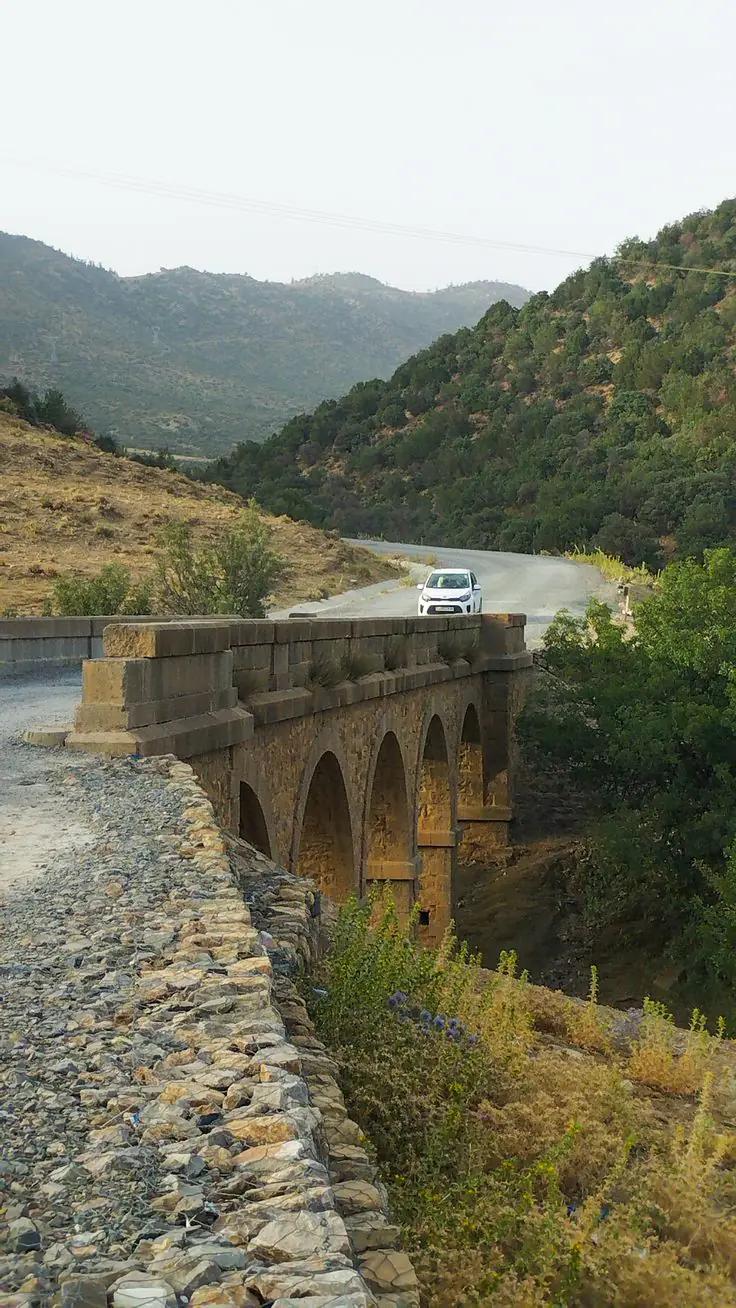
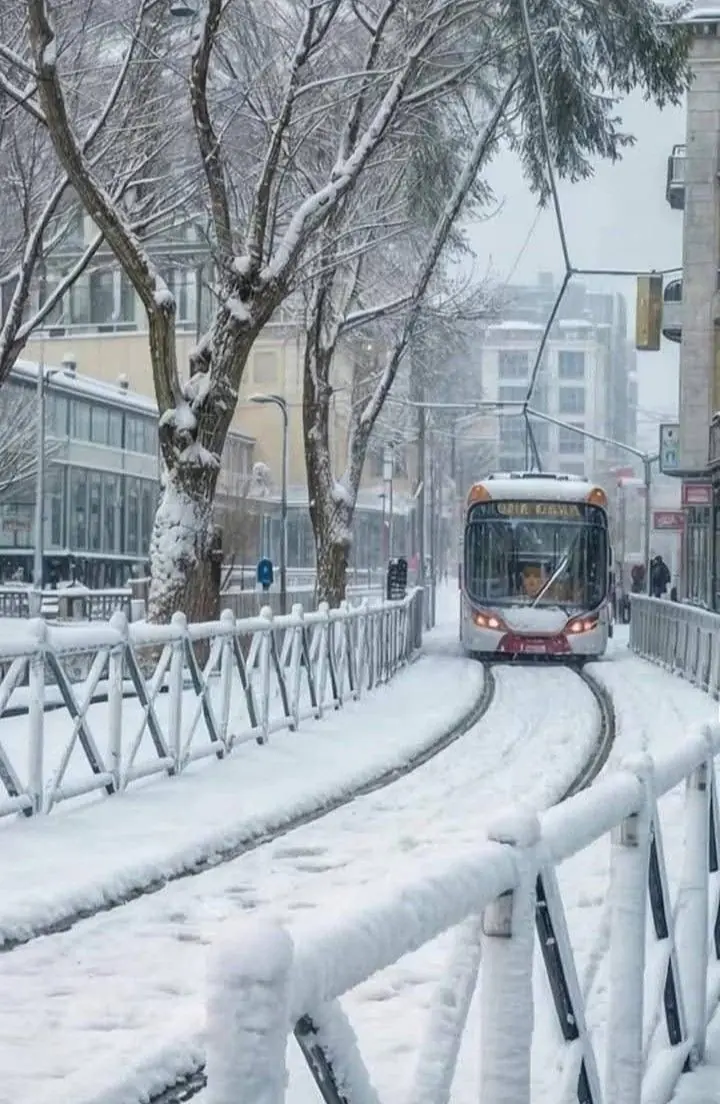
Best period: May-June and September-October
| Month | Temperatures | Conditions | Recommendation |
|---|---|---|---|
| Dec-Feb | -5 °C to 5 °C | Frequent frost, snow possible | ❌ Very harsh |
| Mar-Apr | 8-20 °C | The steppe comes back into flower | 🔵 Unusual spring landscapes |
| May-Jun | 18-28 °C | Mild, clear skies | ✅ Ideal — the steppe in bloom |
| Jul-Aug | 30-40 °C | Dry heat | ❌ To be avoided |
| Sep-Oct | 15-27 °C | Pleasant | ✅ Good |
| Nov | 8-15 °C | Cool | 🔵 Fine |
The high plateaus are often left out of tourist itineraries, wrongly so. In spring the steppe is covered with wild flowers and the herds take to the tracks again — an unexpected landscape that few travellers see. These regions fit naturally into a journey between the north and the Sahara.
The Northern Sahara — Ghardaïa, Timimoun, Taghit, Béni Abbès, El Oued
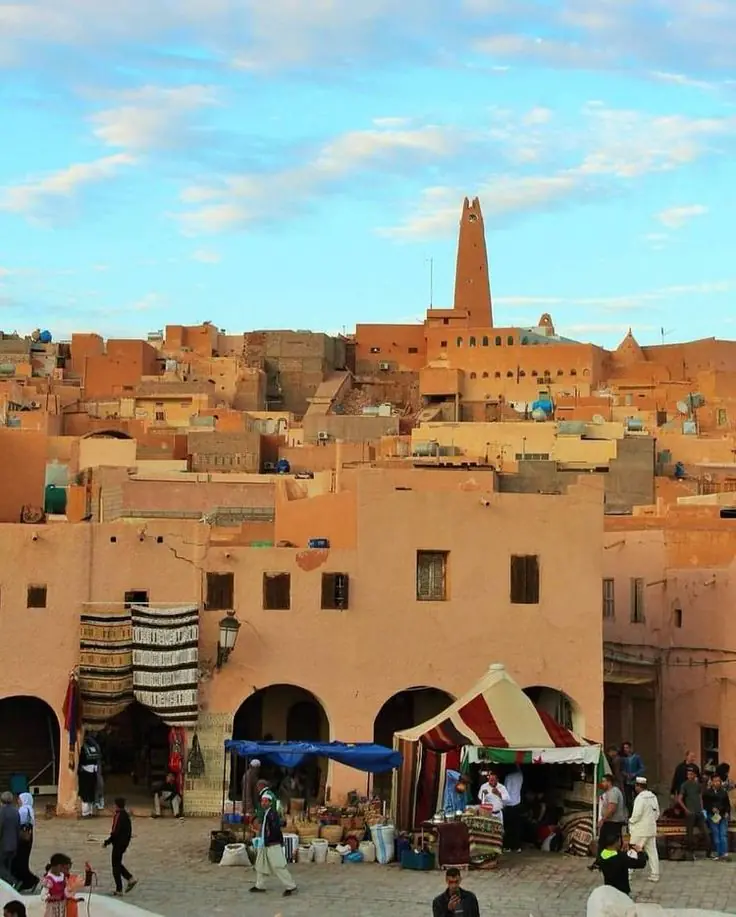
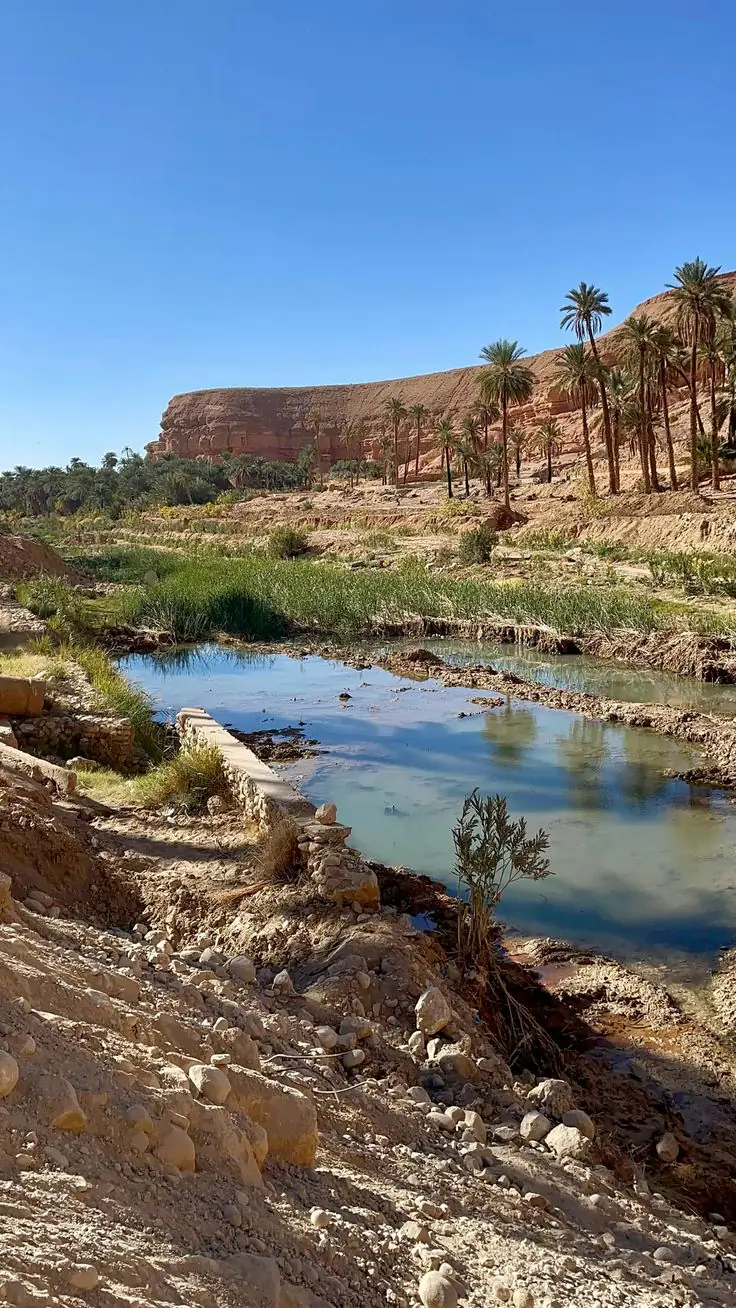
Best period: November to March
| Month | Daytime temperatures | Night temperatures | Recommendation |
|---|---|---|---|
| Oct | 28-35 °C | 14-18 °C | ✅ Good extended season |
| Nov-Feb | 18-25 °C | 5-10 °C | ✅ Ideal — exceptional light, few visitors |
| Mar | 22-30 °C | 10-15 °C | ✅ Very good — the Taghit dunes are magnificent |
| Apr-May | 30-40 °C | 18-22 °C | ⚠️ Hot — not advised except for a quick transit |
| Jun-Sep | 42-48 °C | 25-30 °C | ❌ Impracticable |
November is the standout month for the oases of Timimoun and Taghit: the late-afternoon light on the red pisé is of rare beauty, the air is pure and the sites are all but deserted. Bring a light jacket for the nights — temperatures drop quickly after sunset. March offers exceptional sunset light over the dunes of the Grand Erg Occidental, with temperatures that are still very comfortable.
The Deep South — Djanet, Tamanrasset, Tassili n’Ajjer, Hoggar, Tadrart
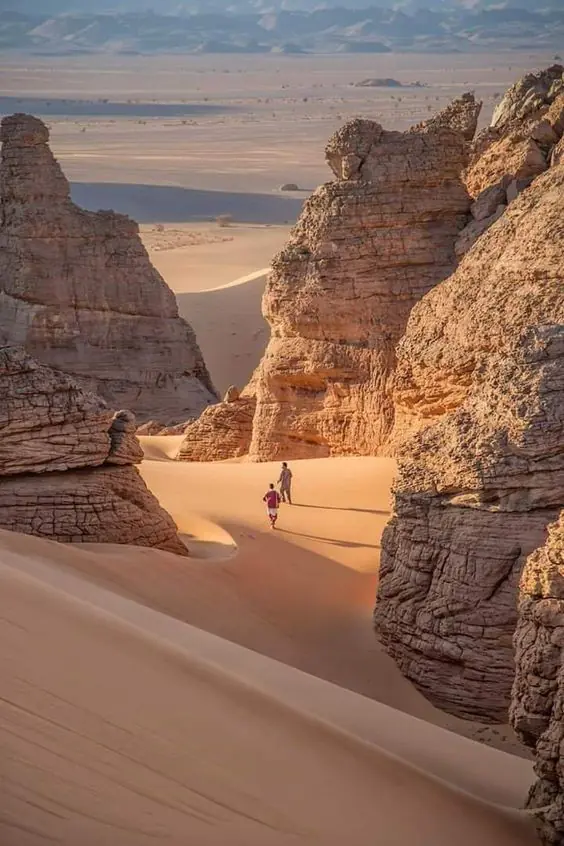
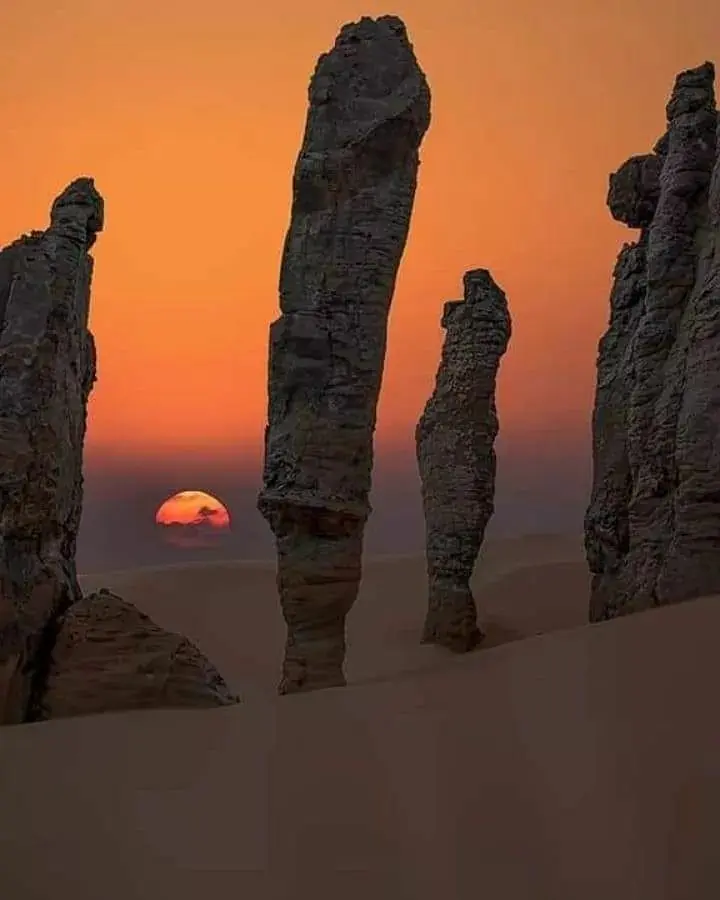
Best period: November to February
| Month | Daytime temperatures | Night temperatures | Recommendation |
|---|---|---|---|
| Oct | 30-35 °C | 12-18 °C | ✅ Good extended season |
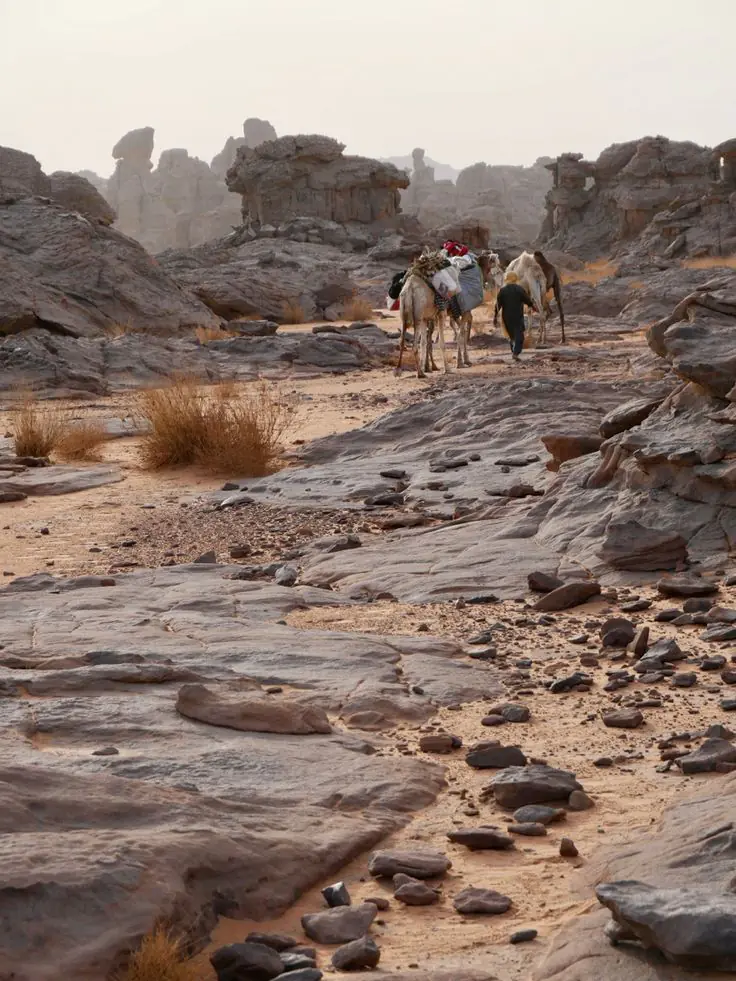
| Nov-Feb | 18-28 °C | 5-10 °C | ✅ High season — ideal for the Tadrart and the Tassili |
| Mar | 28-35 °C | 12-18 °C | ✅ Very good — tours still practicable |
| Apr | 35-40 °C | 18-22 °C | ⚠️ Borderline — only in the first days of the month |
| May-Sep | 40-50 °C | 25-30 °C | ❌ Impracticable — guides and agencies closed |
This is the destination most constrained by seasonality. The accredited guides and local agencies of Djanet and Tamanrasset stop offering tours from May onwards — extreme heat makes any trekking dangerous. November to February is the ideal window: the dunes of the red Tadrart change colour from sunrise to sunset, the nights are cool beneath the stars, and the light in December and January is the finest of the year. Warm gear is essential for nights under bivouac — the Ahaggar massifs can drop below 5 °C.
General Summary Table
| Region | ❌ To avoid | ⚠️ Possible | ✅ Ideal |
|---|---|---|---|
| Northern coast (Algiers, Oran, Annaba) | — | Jul-Aug (hot) | Apr-Jun / Sep-Oct |
| Kabylia — villages and hiking | Dec-Feb (snow) | Mar / Nov | May-Jun / Oct |
| Beaches of Kabylia | Oct-May | Jun / Sep | Jul-Aug |
| North-east / Roman sites (Timgad, Djemila) | Jun-Aug | Mar / Nov | Apr-May / Sep-Oct |
| Tlemcen / western sites | Jul-Aug | Dec-Feb | Apr-Jun / Sep-Nov |
| High plateaus | Dec-Jan / Jul-Aug | Mar-Apr | May-Jun / Sep-Oct |
| Northern Sahara (Timimoun, Taghit) | Jun-Sep | Oct / Mar-Apr | Nov-Feb |
| Deep South (Djanet, Tamanrasset) | May-Sep | Oct / Mar | Nov-Feb |
Special Cases to Know About
| Event | Period | Impact |
|---|---|---|
| Sirocco from the Sahara | Mainly Jun-Aug, sometimes Apr-May | Hot wind off the Sahara: a sudden +8-10 °C across the whole north |
| Ramadan | Variable dates (Hijri calendar) | Restaurants closed during the day, a shifted rhythm of life |
| Yennayer (Berber New Year) | 12 January | A celebration in Kabylia — traditional couscous, a warm atmosphere |
| Olive harvest (Kabylia) | October-November | Oil mills at work, busy markets, maximum immersion |
| Sboue of Timimoun | Variable (Mawlid) | A great pilgrimage of 35,000-40,000 people to Timimoun |
The sirocco deserves particular attention: this hot, dry wind from the Sahara can arrive without warning, even in spring, and send the temperature up by 8 to 10 °C within a few hours. Check the local forecast before planning a long hike in May or June.
Ramadan is a culturally rich period — but you need to plan ahead for meals. In the large cities, some restaurants stay open for travellers, particularly in hotels. In the villages or the desert it is more complicated. Check the dates before booking.
FAQ — When to Visit Algeria?
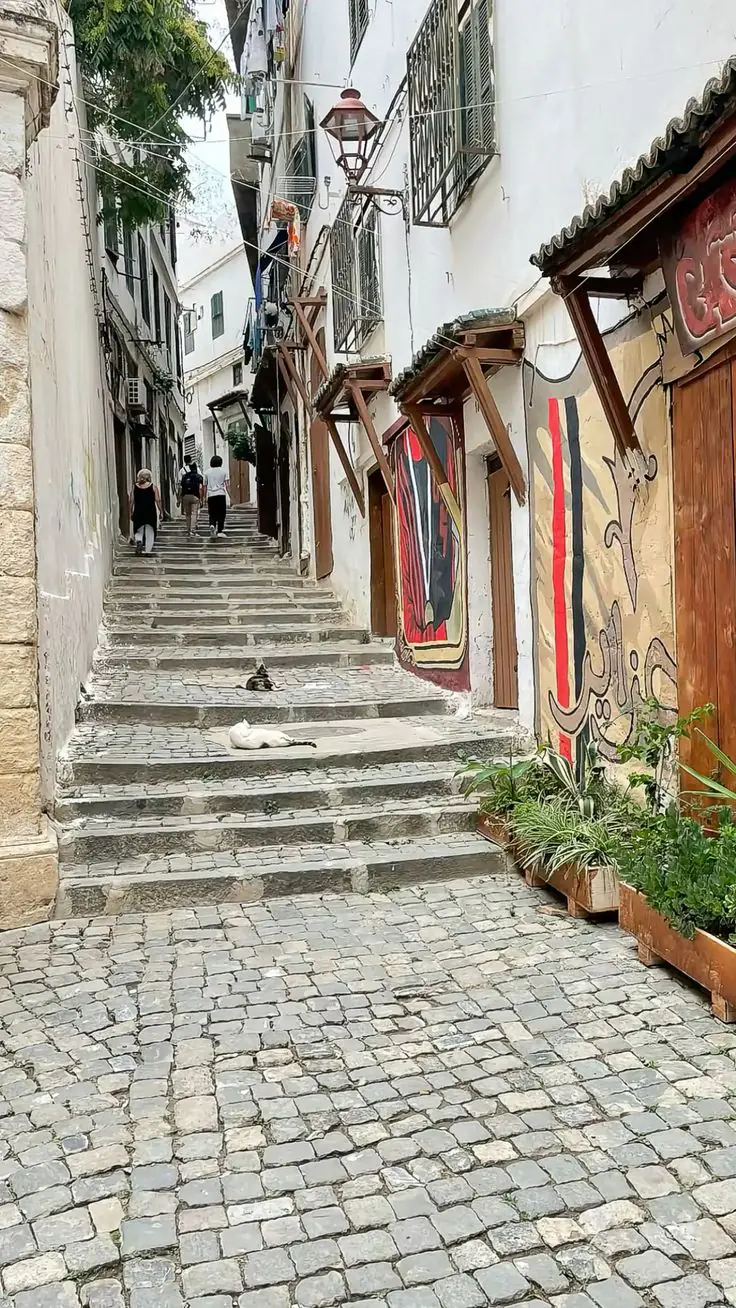
What is the best time to visit Algeria in general?
There is no single answer. For the north and the cultural sites: April-June or September-October. For the Sahara: October to March, without exception.
Can you visit the Algerian desert in summer?
No. In the Deep South (Djanet, Tamanrasset), temperatures reach 45-50 °C in July and August. Accredited guides and local agencies close their tours in summer.
When should you go to Algiers?
Algiers is pleasant all year round. Spring (April-May) and autumn (September-October) are perfect: 20-25 °C, little rain, generous sunshine. Summer is hot but bearable thanks to the sea breeze.
When should you go for the Roman sites (Timgad, Djemila, Tipaza)?
April-May or September-October. These sites are in the open air — the July and August heatwave makes visiting very hard going. Tipaza, by the sea, stays more bearable in summer.
Is there a bad season for visiting Algeria?
July and August for the desert and the high plateaus. The Aurès in winter if you are not equipped for severe cold. Otherwise, each region has its advantage depending on the season.