Last updated: August 2026. Sources: France Diplomatie (diplomatie.gouv.fr), the Swiss FDFA, the Belgian FPS Foreign Affairs, International SOS Risk Map 2025. Security situations change: check the official advisories before every departure.
Yes, Algeria is safe for tourists — provided you know which areas to avoid and which rules to respect. The major cities of the north (Algiers, Oran, Constantine, Annaba, Béjaïa, Tlemcen), the tourist sites and the main Saharan destinations are accessible and visited by foreign travellers without incident. This guide sets out what the official sources say, where not to go, what to avoid, and what really awaits you on the ground.
Table of Contents
What the Official Authorities Say: The Risk Map
As with many countries, Algeria is not uniform in terms of safety. The French Ministry of Foreign Affairs (France Diplomatie) classifies the territory into several vigilance zones:
Green Zone / Normal Vigilance — The Major Cities of the North
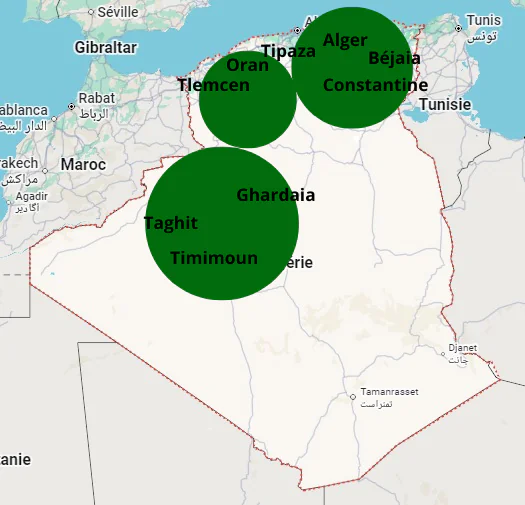
Algiers, Oran, Constantine, Annaba, Béjaïa, Tlemcen, Ghardaïa, Tipaza and the main tourist sites of the north are under normal vigilance. These destinations are perfectly accessible to tourists.
Yellow Zone / Heightened Vigilance — The Sahara and the Desert Areas
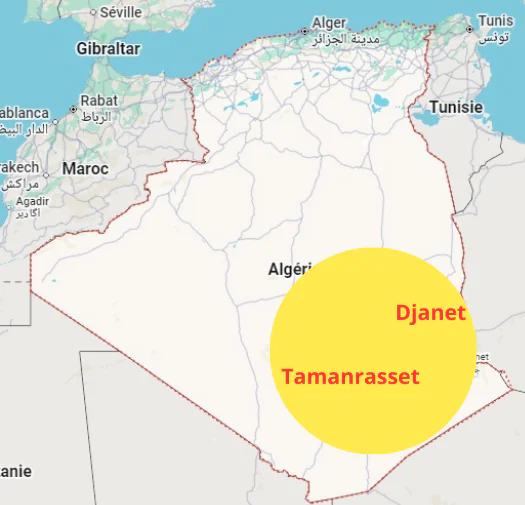
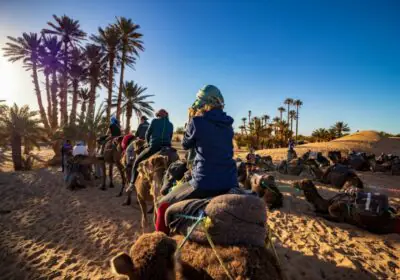
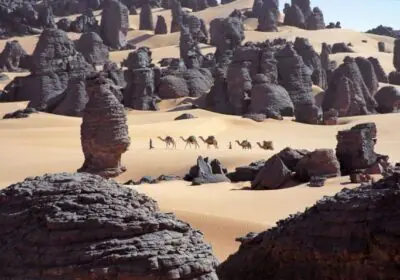
The Algerian Sahara, including the regions around Tamanrasset and Djanet (Tassili n’Ajjer, Ahaggar, Tadrart), is classified under heightened vigilance. That does not mean it is off limits — thousands of tourists visit every year — but the rule is clear: it is not possible to travel in the Algerian Sahara without an accredited guide. Travel agencies offer organised tours from Djanet and Tamanrasset. This requirement is both a safety measure and a guarantee of an authentic experience.
Orange Zone / Formally Advised Against — The Border Areas
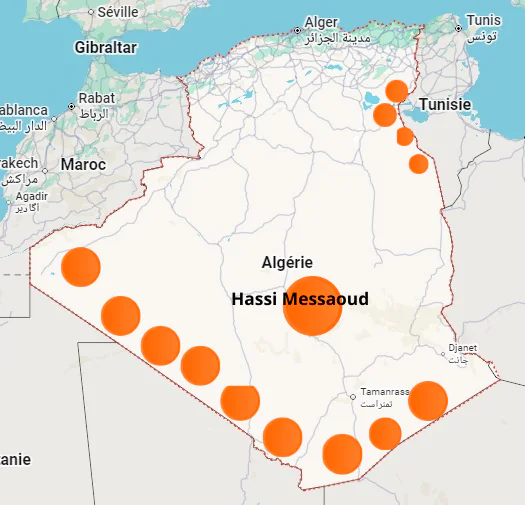
Several border areas are advised against except for imperative reasons:
- The Tunisian border (to the south and from Tébessa onwards): active terrorist groups present
- The Malian, Nigerien and Mauritanian borders: armed groups active in the Sahel
- The Tindouf region (west): Sahrawi refugee camps, unpredictable checkpoints, sensitive military zone
- The Hassi Messaoud region: oil fields under tight military control
Red Zone / Formally Advised Against — Specific, Very Isolated Areas
Certain areas close to the Sahelian borders (Libya, Niger, Mali, Mauritania), and the district of In Amenas (Illizi) in particular, are in the red zone — formally advised against, for all nationalities.
The key point: if you are visiting Algiers, Kabylia, Tipaza, Constantine, Tlemcen, Annaba, Ghardaïa, Timimoun, Taghit, Ouargla, Djanet or Tamanrasset as part of an organised tour, you are in areas that are accessible to tourists. That is where 99% of trips to Algeria take place.
The Reality on the Ground: What Travellers Say
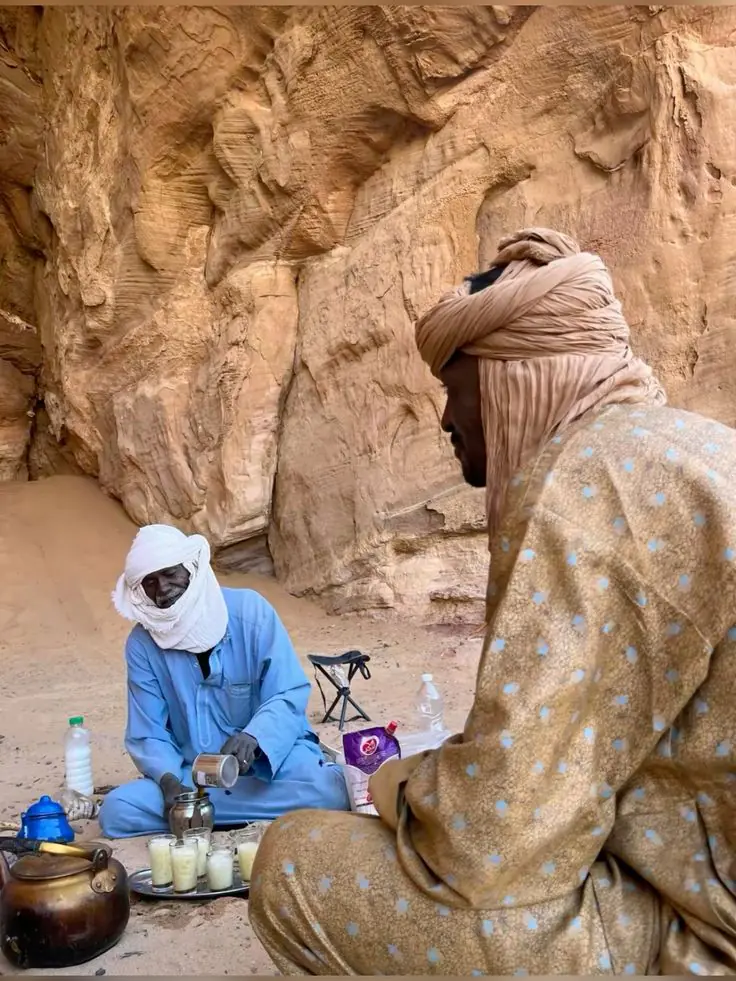
Travellers visiting Algeria in 2025-2026 are unanimous on several points.
Hospitality, Every Traveller’s First Surprise
Algeria is a country with low international tourist numbers — and that is precisely what makes the welcome exceptional. When local people see a foreign traveller, they are curious and spontaneously helpful. Someone offers you a coffee before you have even asked for directions. Someone walks you to your destination if you look lost. Someone invites you to share a meal. This is not a tourist service — it is a culture.
According to International SOS’s Risk Map 2025, Algeria is rated at security risk level 2 on a scale of 4. Level 2 corresponds to a “low” risk — the same level as countries such as Italy, Portugal, Greece or Croatia. In practice, this means a traveller can move around freely with normal precautions, without any reinforced security arrangements.
Crime: Low Where Tourists Are Concerned
As in any major world city — Paris, Rome, Barcelona or Marrakech — Algeria’s large cities see the usual petty offences: bag snatching, pickpockets in crowded markets. Nothing beyond the ordinary urban pattern, and foreign tourists are rarely targeted. The police and military presence is very visible in the cities, which deters violent crime. Algiers has not experienced a terrorist attack since 2007.
Common-sense precautions — the same as in Lisbon or Naples: do not carry large sums of money in plain sight, keep an eye on your belongings in the Casbah of Algiers and in busy markets, and leave nothing in your vehicle.
Unlike Morocco and Tunisia: No Tourist Scams
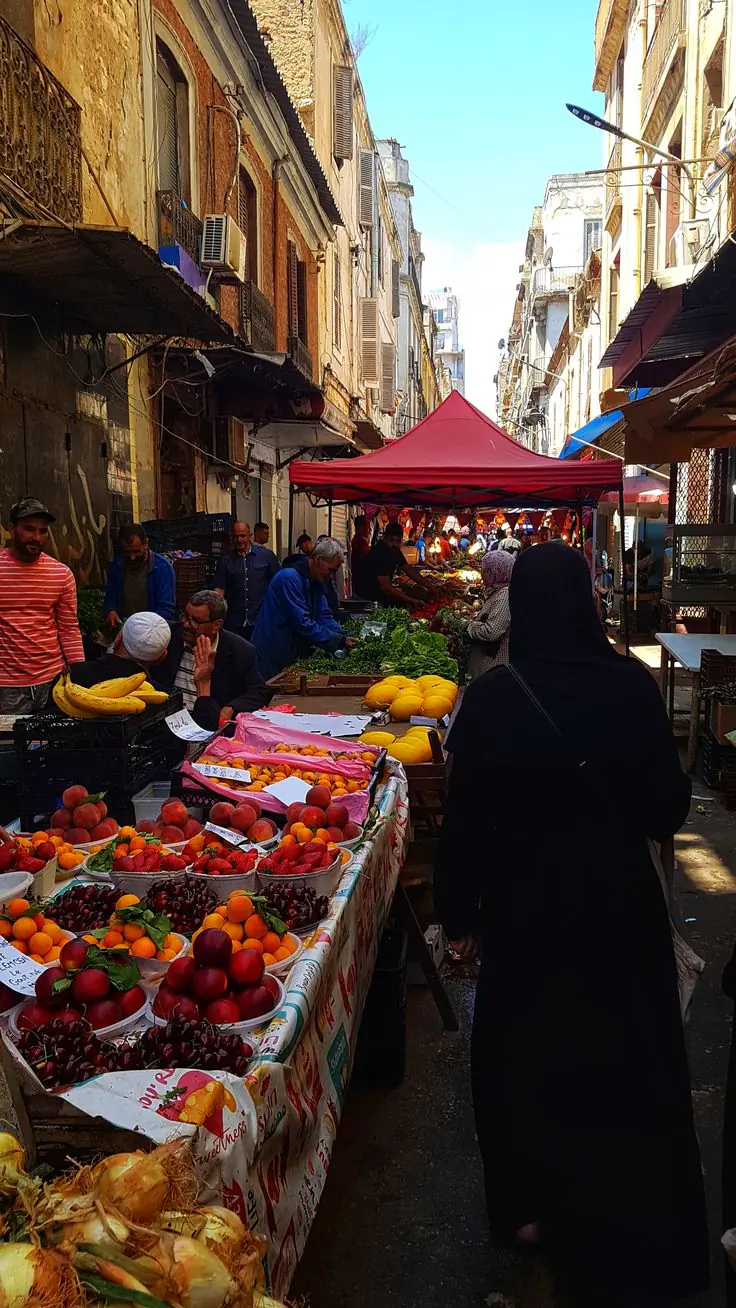
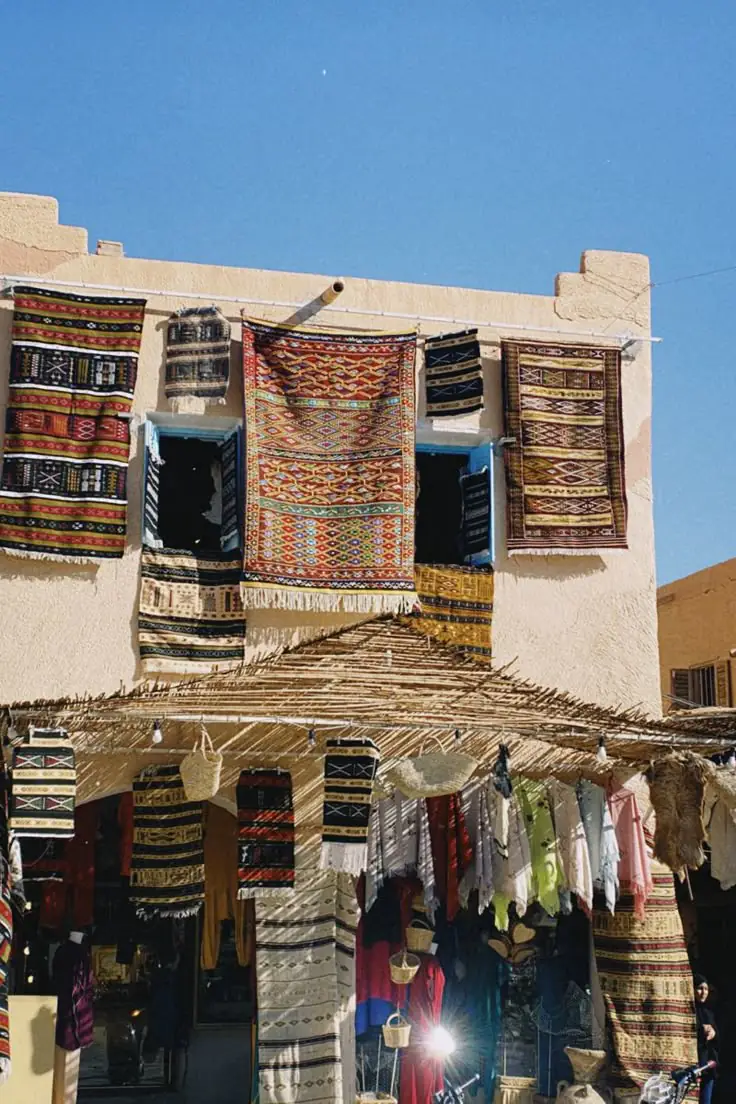
France Diplomatie and Lonely Planet both note that travellers are less likely to be taken advantage of by shopkeepers or touts in Algeria than in the other countries of the Maghreb. The absence of mass tourist infrastructure has preserved the spontaneity of encounters. In practice: you can wander through an Algerian souk, step into a shop, look at the goods and leave without being harassed, followed or made to feel guilty. Nobody will grab your arm to “offer” you a guided tour. Nobody triples the price for the tourist. The Algerians you meet on your travels do not see a walking wallet in you — they see a guest.
The Rules You Absolutely Must Respect
This is where Algeria calls for specific preparation. Several kinds of behaviour that are commonplace in other countries can cause serious problems here.
Photography: What You Cannot Photograph
The rule is strict and applies in many countries, but in Algeria it is enforced rigorously. Never photograph:
- Law enforcement personnel (police, military, gendarmes) in uniform
- Military installations or checkpoints
- Official buildings (ministries, embassies, prefectures)
- Airports (including the outside)
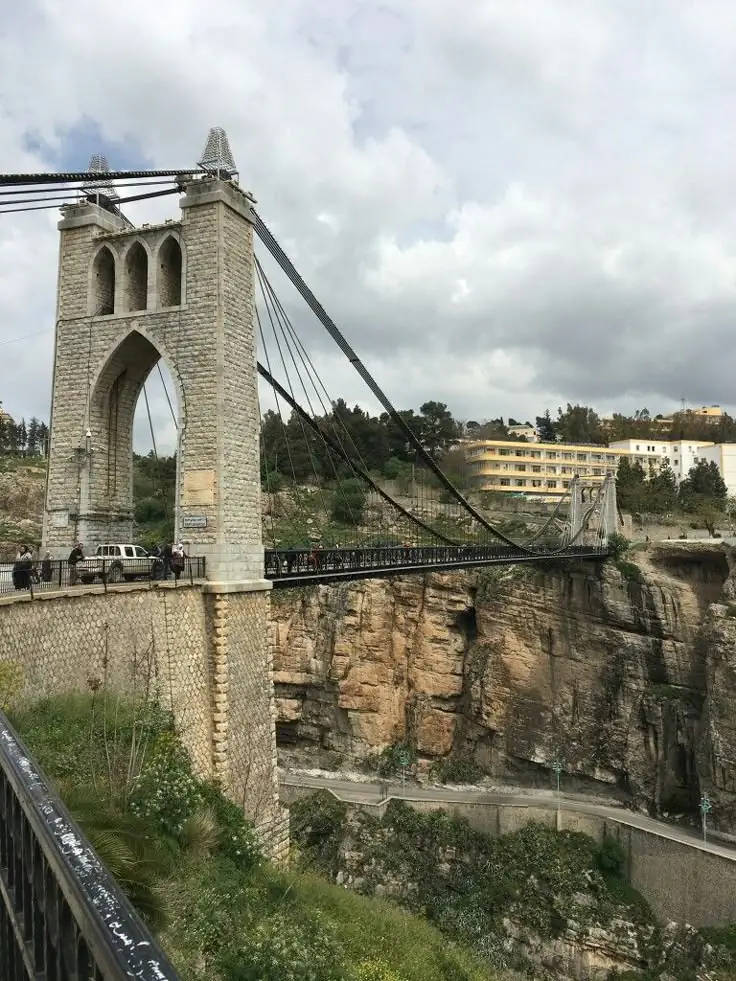
- Bridges, antenna masts and public works
The penalty: confiscation of the camera and questioning that can last several hours. In serious cases, legal proceedings.
The good news: nobody will stop you photographing historic monuments, landscapes, souks, Roman ruins or the desert — and local people, if you ask politely, are often delighted to be in the picture.
Drones and GPS: Prohibited Without Authorisation
Drones are systematically picked up by the scanner on arrival and confiscated immediately, even small hobby models. Travellers caught with an undeclared drone can face espionage charges. Do not bring a drone — the rule admits no exception.
Standalone portable GPS units and binoculars are also subject to severe restrictions. If you need navigation, use your smartphone (Google Maps works in Algeria).
Ramadan: Eating and Drinking in Public
During the month of Ramadan, eating, drinking and smoking in public are prohibited — including inside your own car. The rule applies to everyone, Algerians and foreigners alike. Some restaurants keep operating (particularly in hotels and tourist areas), but discreetly. If you visit Algeria during Ramadan, plan your meals accordingly and observe this rule scrupulously in public spaces.
Drugs: Zero Tolerance
Breaches of narcotics legislation are severely punished in Algeria, even for small quantities and whatever the type of drug. The death penalty is theoretically applicable in certain cases. Take no risks on this point.
Travelling Alone in Algeria: Practical Advice
Can You Travel Alone?
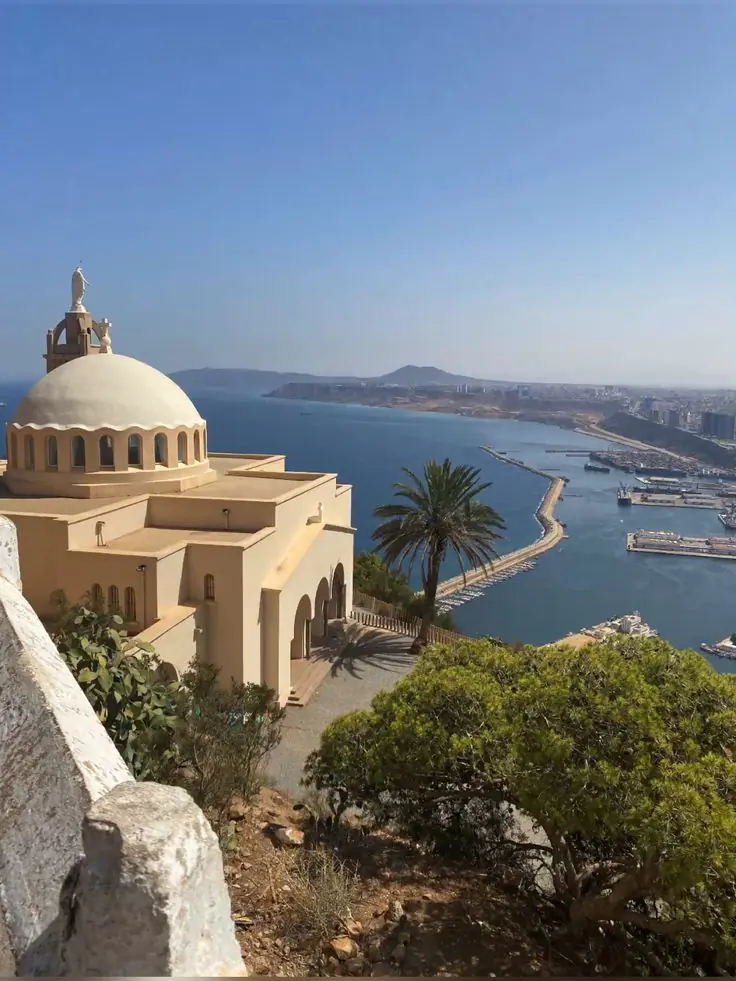
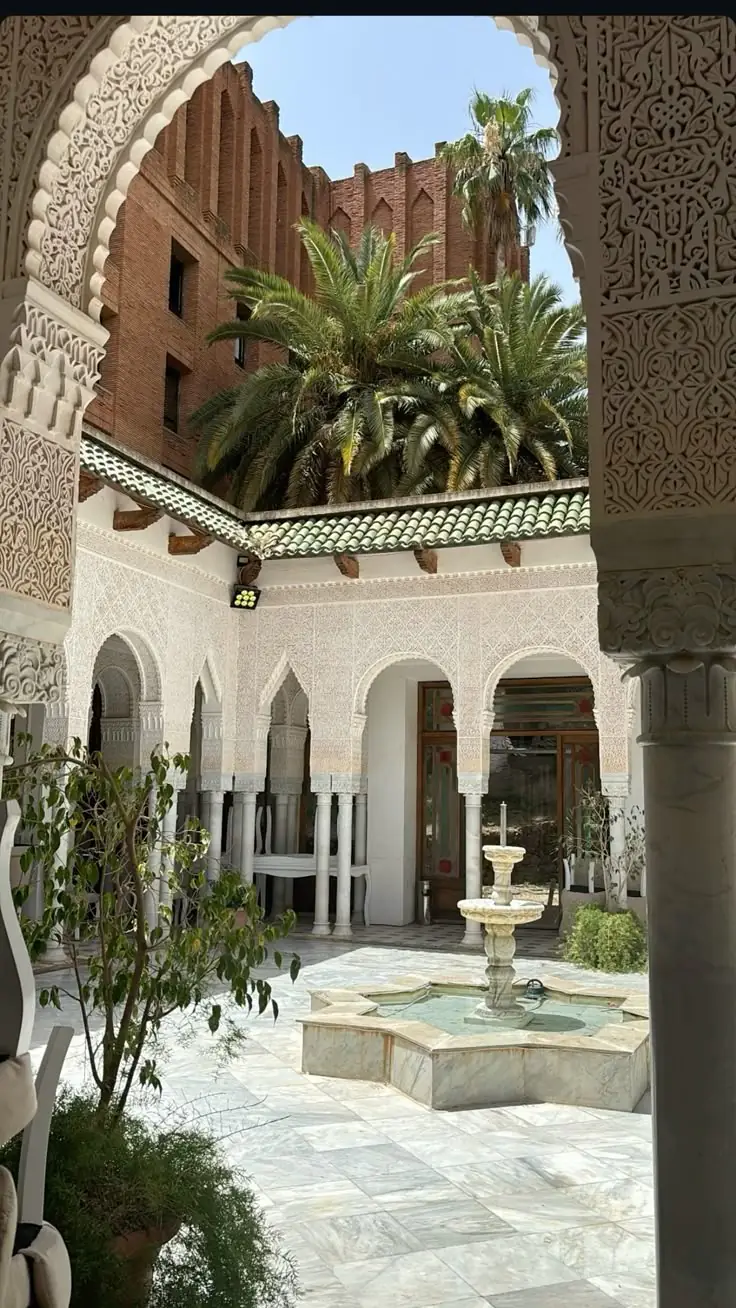
Yes, in the major cities of the north. Algiers, Oran, Constantine, Béjaïa, Tlemcen and the tourist sites of the north can be visited without a guide. You can take taxis, use the Yassir app for ride-hailing, the Algiers metro and the trains.
For the Sahara, an accredited guide is required by Algerian law — it is not an option, it is a condition of access to the desert areas.
Can a Woman Travel Alone?
Yes — and many women travellers do. But Algeria is a conservative society, and certain behaviours can attract comments or unwanted attention, particularly in working-class neighbourhoods. The practical advice of experienced women travellers:
- Dress modestly (shoulders and knees covered) in public spaces and religious sites
- Avoid lingering alone at night in quiet streets
- In taxis, it is better not to be alone — prefer Yassir, which records the journey
- In the large cities and at tourist sites, you will be well received and treated with respect
- The welcome from local women is often remarkable: a natural solidarity develops
Should You Register with Ariane?
Yes, strongly recommended. The Ariane service (ariane.diplomatie.gouv.fr) allows the French embassy to contact you if the security situation deteriorates during your stay. Registration is free and takes 5 minutes.
Insurance and Health
Travel Insurance: Mind the Zones
Areas classified under heightened vigilance (yellow) are generally covered by most travel insurance policies, but check your contract. The orange and red zones, on the other hand, are exclusion zones for almost every insurer — your repatriation cover and your medical reimbursements do not apply. Before travelling into the Sahara (a yellow zone), check explicitly with your insurer.
Health and Vaccinations
No vaccination is compulsory for European nationals entering Algeria (unless you are arriving from a yellow-fever endemic area). Several vaccinations are recommended depending on your state of health and the areas you visit: hepatitis A, hepatitis B, typhoid, and, for the Sahara, meningitis. Consult a travel doctor before departure.
Tap water is not drinkable in most regions — drink bottled water. In the Sahara, bring your usual medication, as pharmacies are scarce in remote areas.
Earthquake Risk
Northern Algeria lies in an active seismic zone. The Algiers region and Kabylia have experienced destructive earthquakes in the past (Boumerdès, 2003). This natural risk should not deter anyone from travelling, but it is worth knowing the safety guidance in the event of an earthquake.
Safe Areas vs Areas to Avoid: A Visual Summary
✅ Areas safe for tourism (normal vigilance)
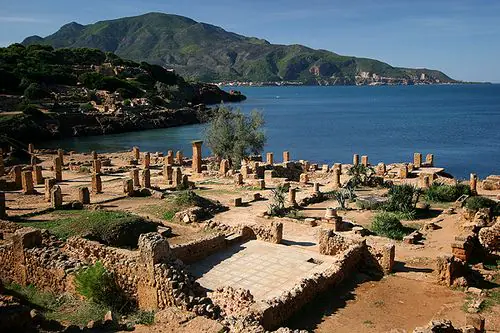
- Algiers and its region (the Casbah, Tipaza, Cherchell)
- Oran and the western region (Tlemcen, Aïn Témouchent)
- Kabylia (Tizi Ouzou, Béjaïa) — usual vigilance in town
- Constantine, Annaba, Skikda (north-east)
- Ghardaïa and the M’Zab valley
- Timimoun, Taghit, Béni Abbès (accessible oases)
- Djanet and Tamanrasset — as part of an organised tour with an accredited guide
⚠️ Areas under heightened vigilance (accessible with precautions)
- The high plateaus (usual vigilance)
- The province of Batna, Tébessa (north): increased vigilance
❌ Areas formally advised against (to be avoided at all costs)
- Border areas with Tunisia south of Tébessa
- Border areas with Libya, Niger, Mali and Mauritania
- The Tindouf region
- The district of In Amenas (Illizi)
- The border area with Morocco (border closed since 1994, minefields)
FAQ — Travelling Safely in Algeria
Is Algeria dangerous for tourists?
No, not in the recommended areas. The major cities of the north, the tourist sites, Kabylia and the accessible Saharan destinations (Djanet and Tamanrasset with a guide, Timimoun, Taghit) are visited by foreign travellers without major incident. Algiers has not seen a terrorist attack since 2007. International SOS rated Algeria at security risk level 2 in 2025.
Can you travel alone in Algeria?
Yes, in the north and in the large cities. For the Sahara, an accredited guide is required by law. Women travelling alone recommend dressing modestly and avoiding moving around alone at night in working-class neighbourhoods.
Which areas must be avoided at all costs in Algeria?
The border areas with Tunisia south of Tébessa, and with Libya, Niger, Mali and Mauritania, are formally advised against. The Tindouf region and the district of In Amenas are also in the red zone. These areas represent a tiny fraction of the territory and hold no tourist interest.
Can you take photographs in Algeria?
Freely, for landscapes, monuments, markets, tourist sites and people (with their agreement). Strictly forbidden for law enforcement, official buildings, military installations and airports. Drones are prohibited without a very restrictive official authorisation.
Do you need to declare your social media activity before travelling to Algeria?
If you plan to publish videos or articles about your trip (YouTube, a blog, Instagram), France Diplomatie recommends mentioning it when you apply for your visa. Without a prior declaration you could be stopped by the local authorities, who treat this kind of content as journalism.
Does travel insurance cover Algeria?
The normal and heightened vigilance zones (yellow) are generally covered — check your contract. The orange and red zones are exclusion zones for most insurers. If you are going into the Sahara (a yellow zone), confirm your cover explicitly with your insurer before you leave.
In Short: Should You Go?
Algeria is one of the least-known destinations in the Mediterranean basin — and one of the most surprising for those who dare to discover it. Its reputation on security, inherited from the 1990s, does not reflect the reality for today’s traveller in the tourist areas. The thousands of travellers who visit each year come back with the same verdict every time: exceptional hospitality, breathtaking landscapes, and the satisfaction of having explored a genuine country still spared by mass tourism.
Travelling in Algeria calls for serious preparation, respect for specific rules and a good knowledge of the areas to avoid. That is the price of an experience that has no equivalent in the Mediterranean.
To organise your trip to Algeria safely with local professionals, see our complete guide to the Algerian Sahara or our articles on the major coastal cities. For the formalities, check the visa requirements for Algeria for your nationality. For a tailor-made stay organised by a trusted local team, contact us.