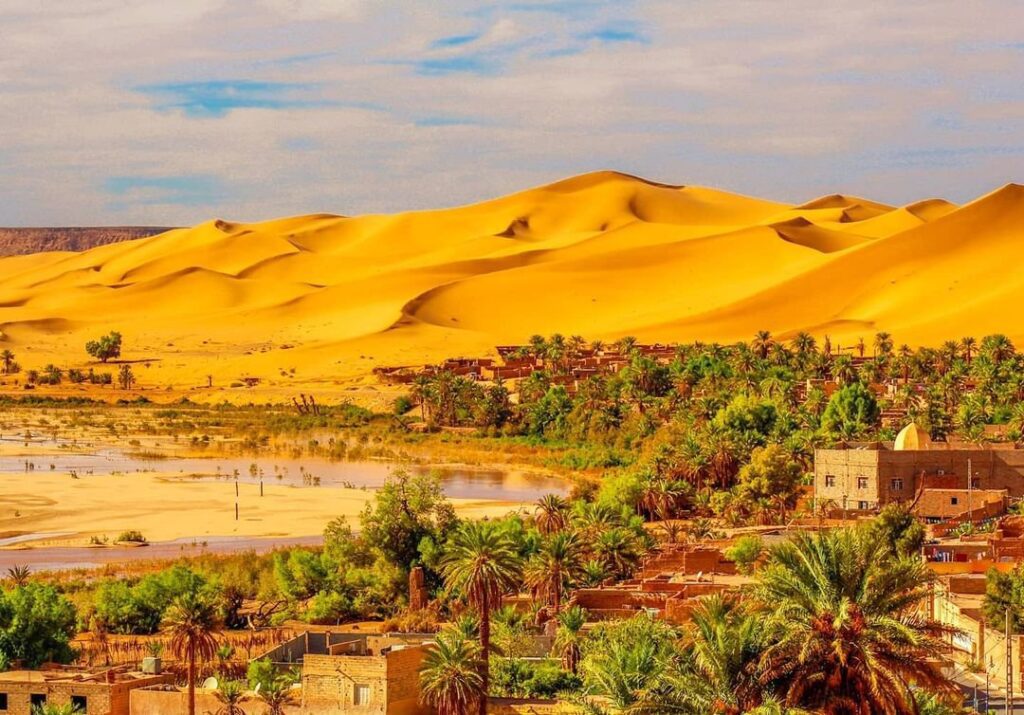
| 📍 Location | Southwestern Algeria — around Béni Abbès, Taghit, and the Western Erg. |
| 📆 Best time to visit | November to April for pleasant temperatures (59–77°F / 15–25°C). June to September for sand therapy experiences (ideal sand heat). |
| 🎒 Travel tips | Light but modest clothing, sun protection, closed-toe shoes for exploring ksars and archaeological sites — and a curiosity for local crafts and cuisine. |
Table of Contents
The 6 Must-Do Experiences in the Saoura
1 – Visit the Rock Engravings of Taghit
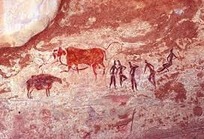
These ancient carvings bear witness to a prehistoric past, depicting antelopes, giraffes, felines, and elephants. They tell the story of a time when the region — now desert — was lush and teeming with wildlife. Etched into stone, they form an open-air archaeological site of remarkable significance.
2 – Explore the Old Ksar of Taghit
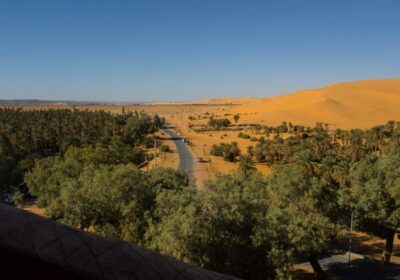
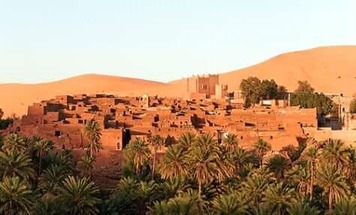
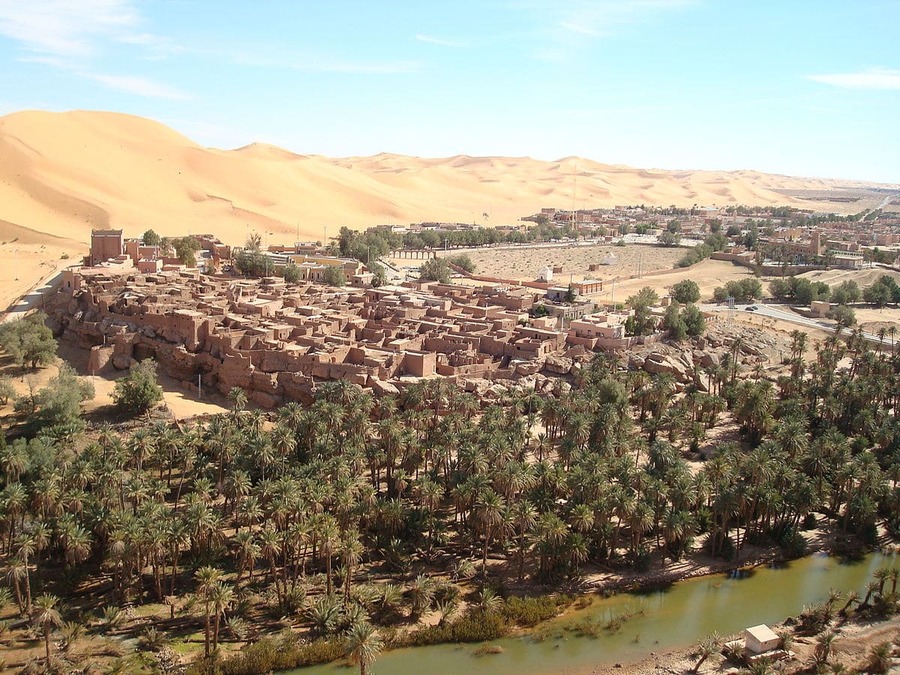
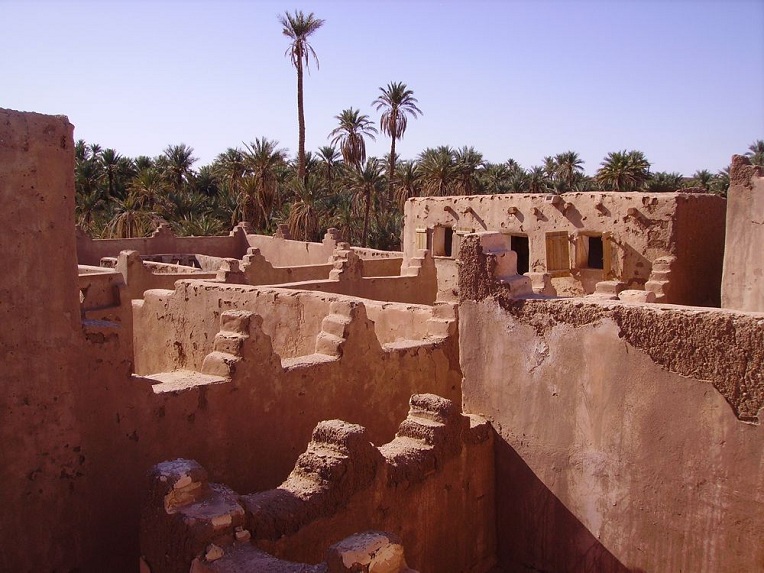
Perched on a rocky outcrop overlooking the palm grove, this earthen ksar was inhabited until the mid-20th century. Today, its narrow alleyways, carved wooden doors, and remnants of mosques transport visitors to a still-living past. From here, you can also take in breathtaking views of the dunes and oasis.
3 – Take a Trip to Lake Kerrouch and Zaouïa Tahtania
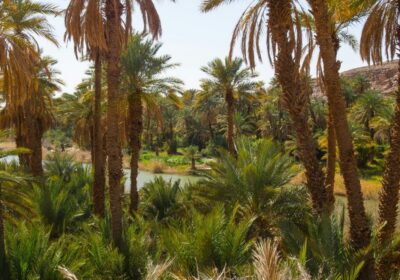
This small natural lake, or guelta, lined with palm trees, offers peaceful kayaking in a serene setting. Nearby, Zaouïa Tahtania — an old Quranic school — reflects the region’s deep-rooted spiritual heritage.
4 – Visit the Chapel of Charles de Foucauld
Built in 1901, this chapel marks the presence of the French monk in the region. Visitors can also explore the hermitage, still home to monks who live in simplicity and mutual respect with the local community. It’s a place of silence, reflection, and interfaith connection.
5 – Enjoy Local H’rira and Tea
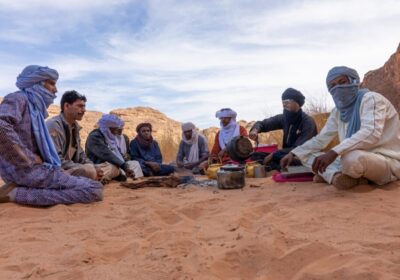
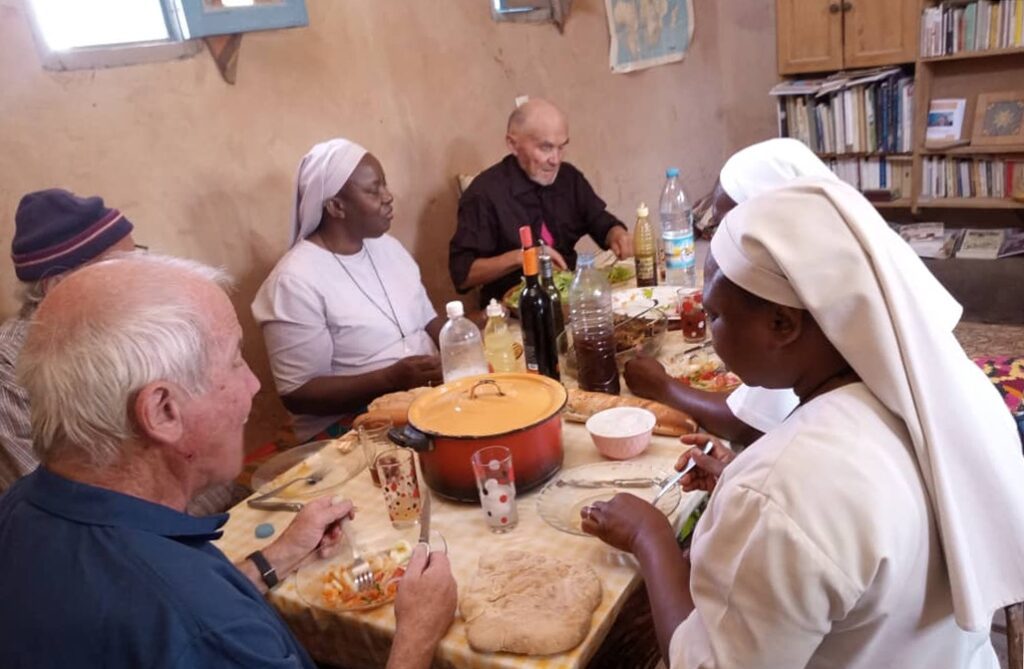
No visit is complete without tasting H’rira, a traditional soup flavored with cumin and coriander, often served with dates or local bread. Mint tea, meanwhile, is an invitation to slow down — typically shared under the shade of a tent or palm tree.
6 – Watch the Sunset over the Red Dunes of Timimoun
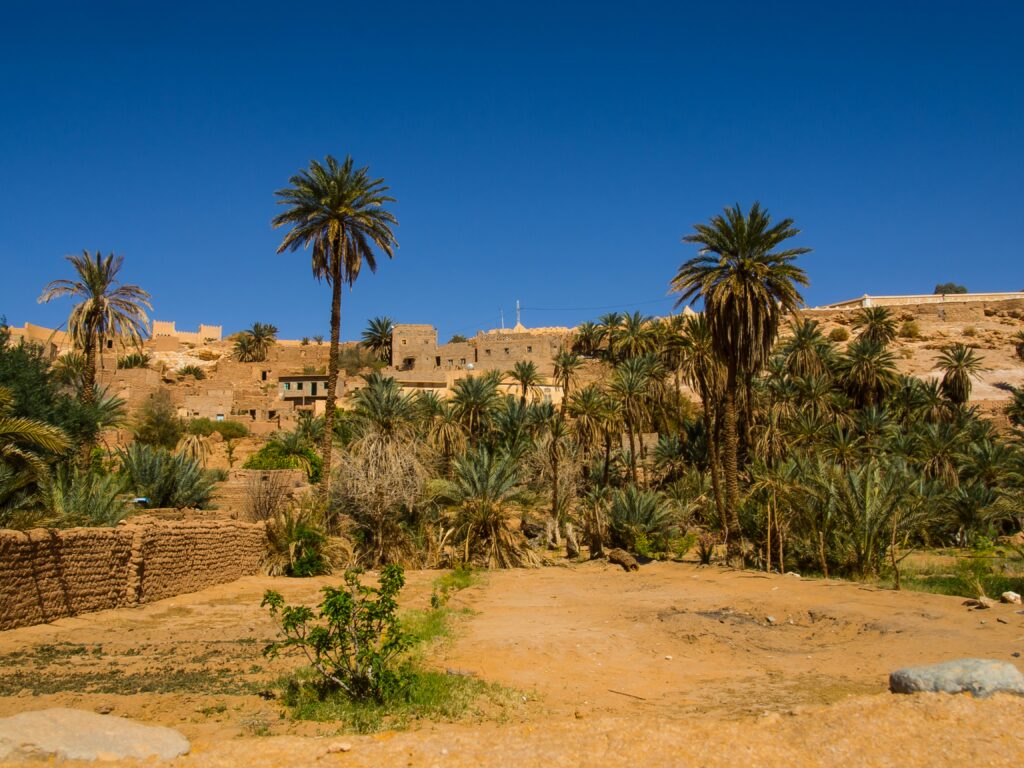
Nicknamed the “Pearl of Gourara,” Timimoun is known for its striking landscapes and fiery sunsets. From the heights of the ksar or beneath a khaïma tent, watch as the red dunes shift into shades of orange and purple as the day fades. A truly captivating experience, best enjoyed in absolute tranquility, guided only by wind and sand.
Saharan Craftsmanship: Where Art Meets Living Tradition
Craftsmanship lies at the heart of Saoura’s identity. In the الأسواق and streets of Taghit and Béni Abbès, visitors discover handmade objects rich in local color and character:
Sand Art
This technique involves creating intricate designs inside bottles using colored sands. In Taghit, it has been elevated to a true art form, with artisans showcasing remarkable precision in depicting landscapes, camel silhouettes, and traditional motifs.
Guembri Making
An iconic instrument of Gnawa music, the guembri is handcrafted in the region. This musical craft blends carved wood, animal skin, and taut strings into a unique instrument.
Palm Trunk Carving
Artisans repurpose discarded parts of palm trees to create decorative and functional objects. This natural form of recycling transforms raw materials into one-of-a-kind pieces, valued by both locals and visitors.
It is estimated that more than 600 artisans work in the region, preserving techniques passed down through generations while adapting to modern expectations.
Flavors and Aromas: A Culinary Journey Through Saoura
Local cuisine is a cornerstone of Saharan cultural identity, reflecting a simple, generous way of life deeply rooted in the land.
H’rira of Béni Abbès
This signature soup is made with tomatoes, chickpeas, vermicelli, spices, fresh coriander, and meat. It is typically served as a starter, often with a squeeze of lemon.
Belboula
A couscous made from barley wheat, often served with vegetables or dried meat. High in fiber and easy to digest, it’s commonly prepared for special occasions and family gatherings.
Terfess (Desert Truffle)
A rare and prized mushroom harvested after spring rains, used in traditional dishes or simply simmered with onions. Known for its nutritional value, it is a true local delicacy.
Sweet Seffa & Saharan Tea
Made with semolina, melted butter, cinnamon, powdered sugar, almonds, or raisins, sweet seffa is served as a snack or dessert. Tea, however, is much more than a drink — it’s a ritual of hospitality.
Looking for a different kind of journey, deeply rooted in Saharan culture? Contact us to plan a tailor-made experience filled with immersion, connection, and sensory discovery.