
| 📍 Location | Southeastern Algeria — near Djanet, about 1,900 miles (3,000 km) from Algiers. |
| 🌍 UNESCO Status | World Heritage Site and Biosphere Reserve — protecting over 15,000 rock engravings and paintings. |
| 📆 Best time to visit | September to May — milder temperatures with hot days and cool nights. Avoid the summer months. |
| 🎒 Preparation | Sturdy hiking boots, sun protection, warm layers for the night, and ample water supplies are essential. |
| 🏕️ Activities | 4×4 excursions, trekking, rock art discovery, desert bivouac, wildlife and geology observation. |
Welcome to an odyssey into the heart of the Algerian Sahara, where history spanning thousands of years intertwines with breathtaking natural beauty to create a truly extraordinary landscape: Tassili n’Ajjer. This journey takes us through a mesmerizing expedition, unveiling the mysteries of a fascinating heritage hidden within vast desert expanses — where the sand seems to hold the memory of our ancestors and the rocks whisper stories of the past.
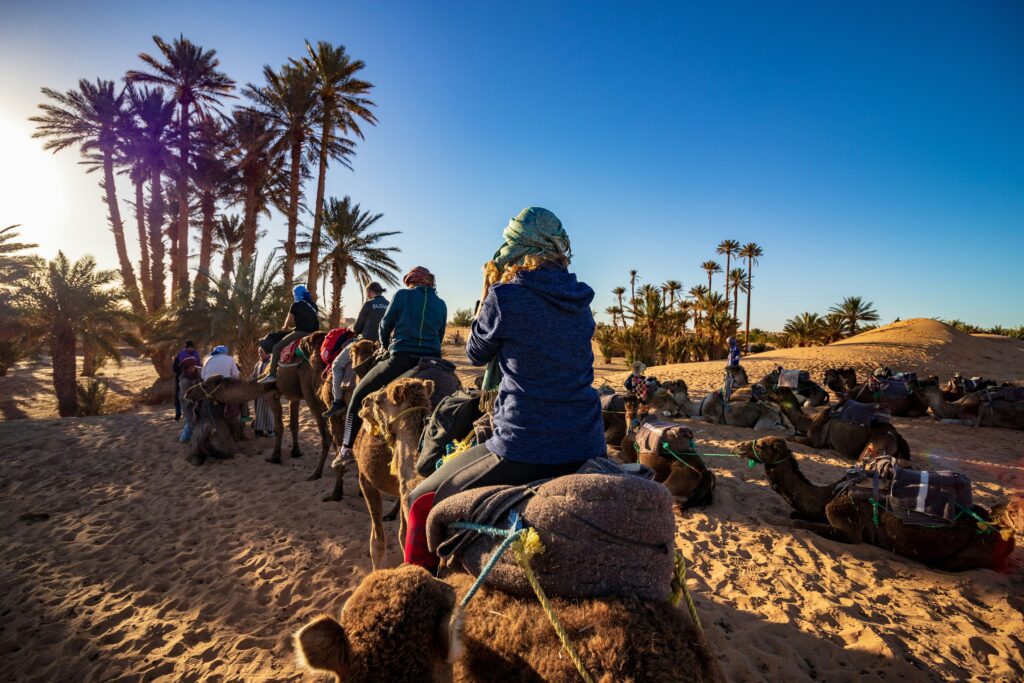
Table of Contents
Tassili n’Ajjer: Discovering a Natural and Ancient Heritage
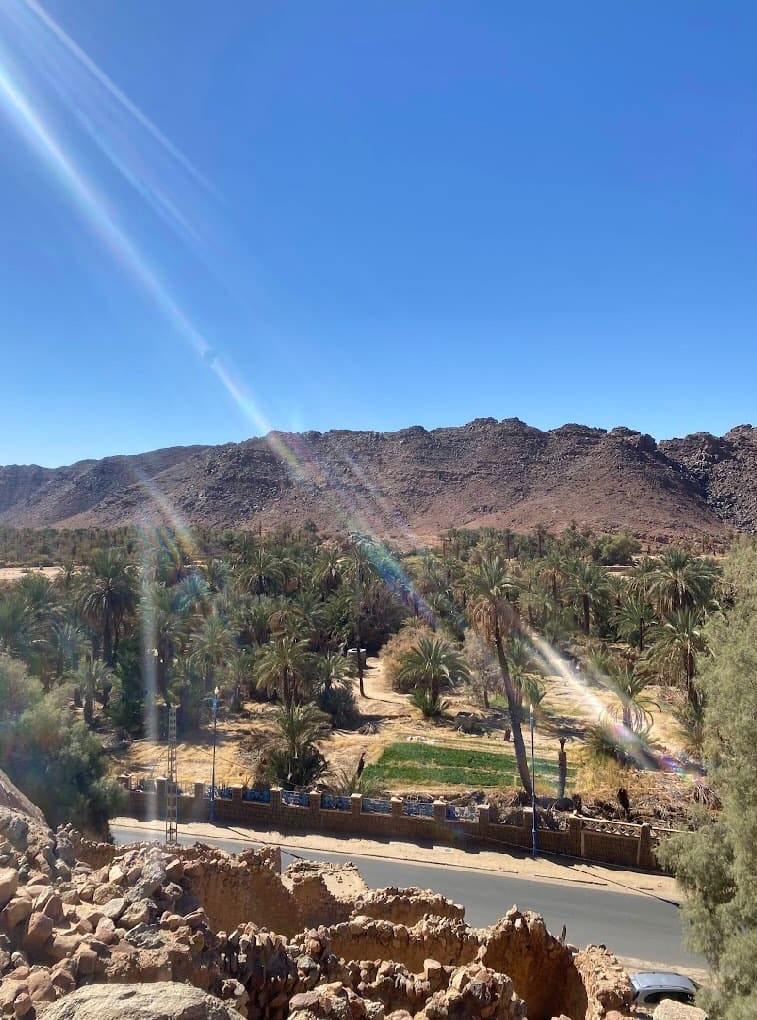
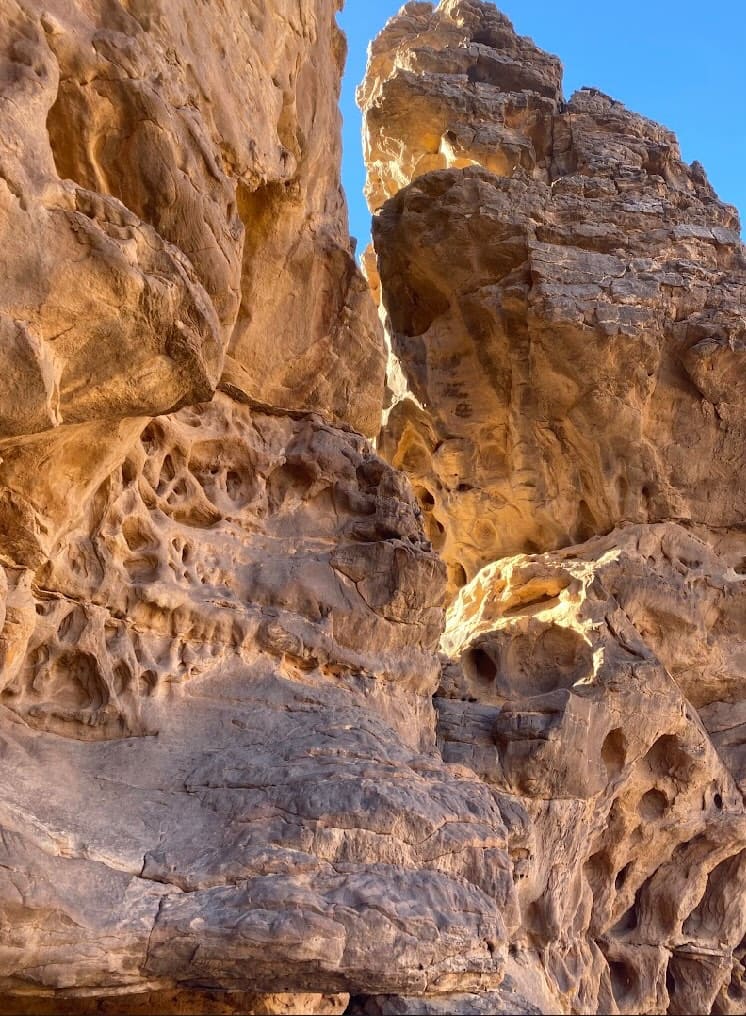
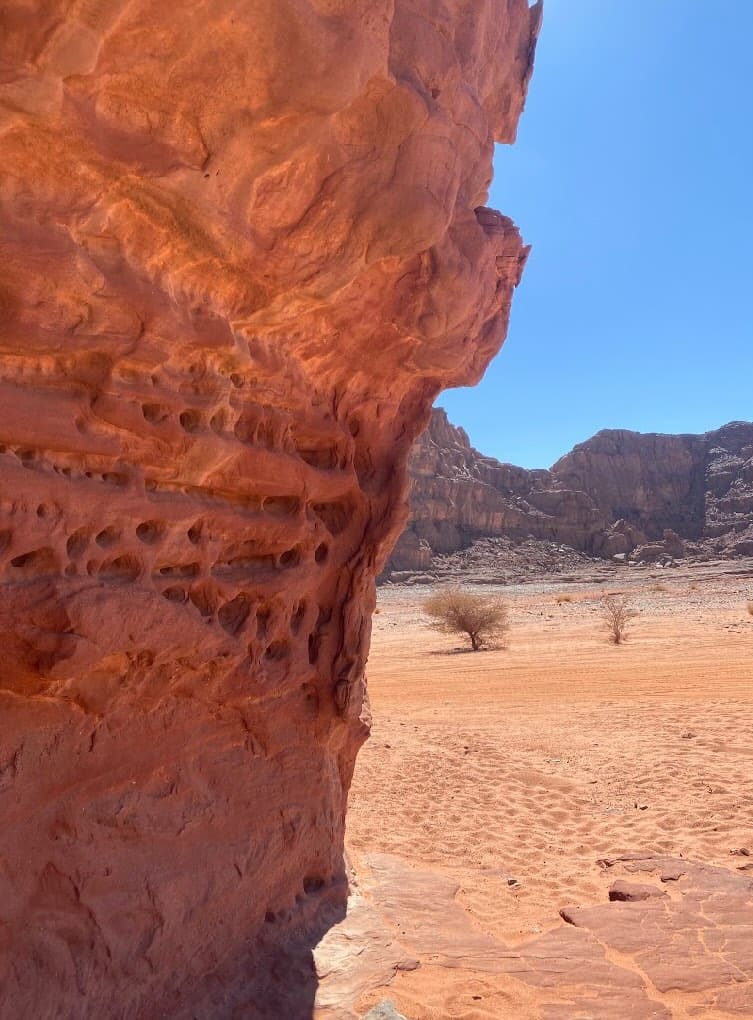
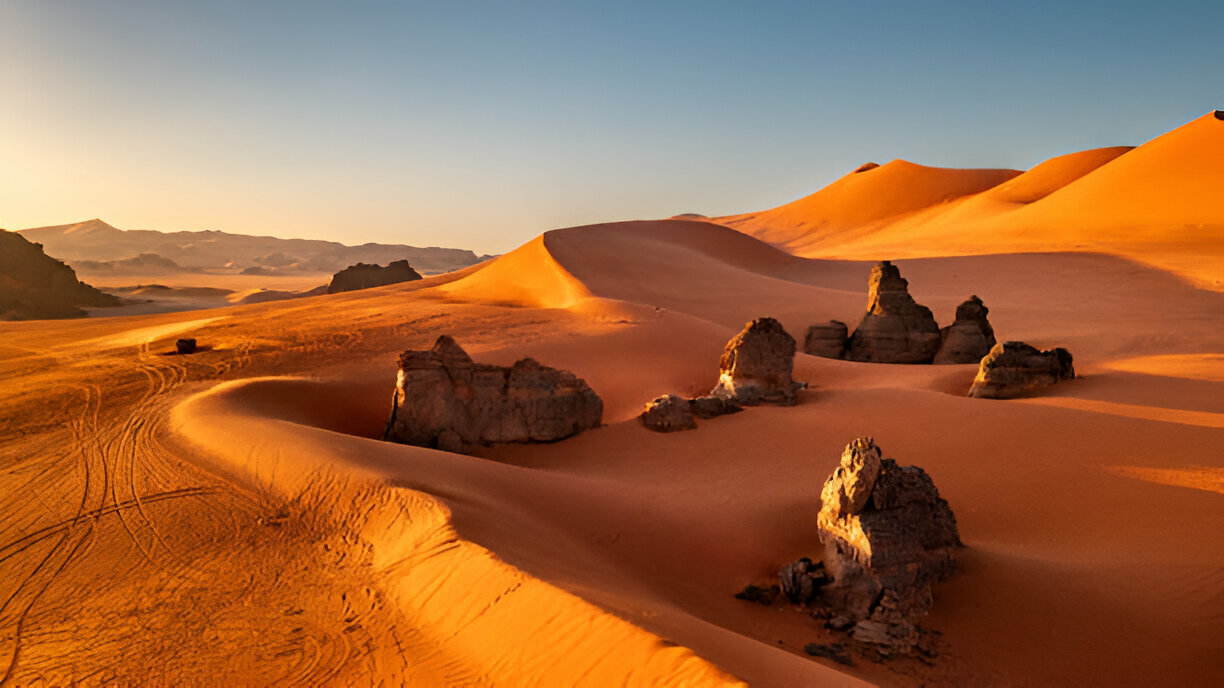
A UNESCO World Heritage Site, Tassili n’Ajjer stretches across an immense plateau of approximately 27,800 square miles (72,000 km²). It is renowned for its striking sandstone formations, sculpted by erosion into what are often described as “rock forests,” giving the landscape an almost lunar atmosphere.
But Tassili n’Ajjer is more than a natural masterpiece — it is also an open-air museum, home to over 15,000 rock engravings and paintings. These works bear witness to the lives of the earliest civilizations that once inhabited this region.
The Treasures of Tassili n’Ajjer: A Glimpse into Prehistory
The frescoes and engravings of Tassili n’Ajjer provide compelling evidence of climate change, wildlife migration, and the emergence of human presence in the Sahara as far back as 6000 BCE. These natural artworks offer invaluable insights into cultural traditions — both enduring and long gone — depicting scenes of hunting, dancing, prayer, and daily life. They reveal a time when the Sahara was far greener and more hospitable than it is today.
A Rich and Diverse Ecosystem
As a designated biosphere reserve, Tassili n’Ajjer plays a crucial role in preserving Saharan biodiversity. The region hosts a fascinating range of plant and animal life that has adapted to extreme desert conditions.
Heat- and drought-resistant Saharo-Arabian plant species are well represented, providing essential habitats for various animal species. What makes Tassili particularly remarkable, however, is its unique biological diversity — offering traces of past climates.
Alongside typical desert species, one can also find flora and fauna more commonly associated with Mediterranean and even tropical environments. These biological remnants provide valuable clues about the region’s environmental history, revealing periods when the Sahara was far more humid and verdant.
Preserving Tassili n’Ajjer is therefore essential — not only to protect current ecosystems but also to safeguard this living record of past climate change. Understanding how biodiversity has evolved here helps inform how we address environmental challenges today and in the future.
Exploring the Jewels of Tassili n’Ajjer
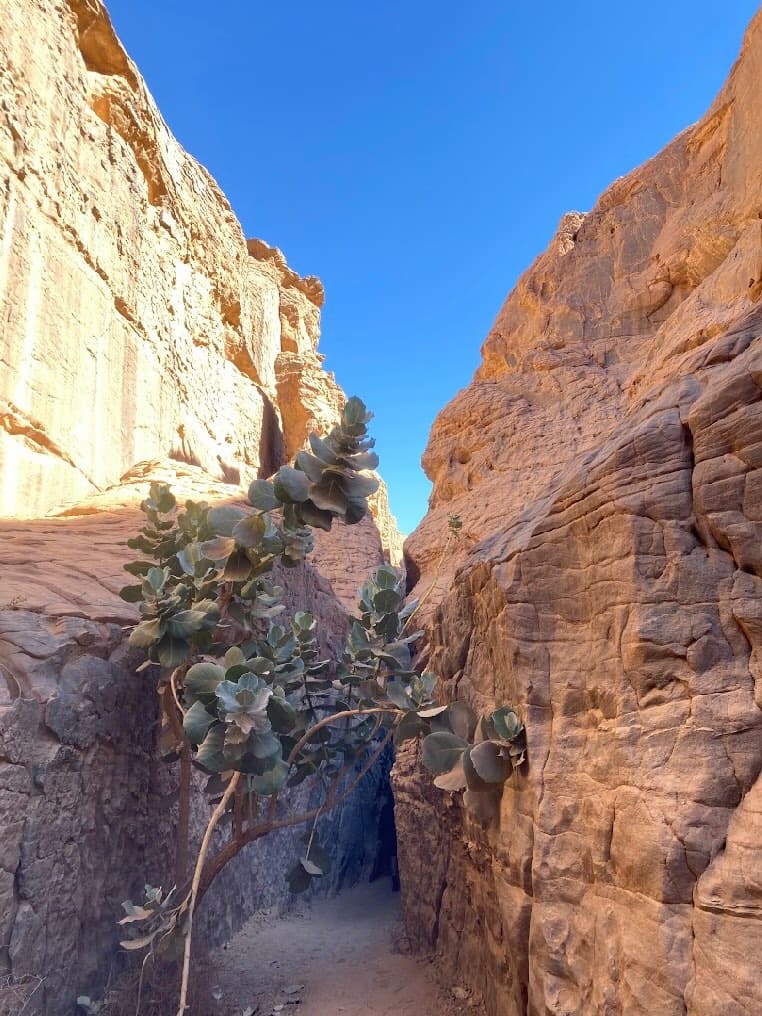
Tassili n’Ajjer is an ideal destination for hiking and adventure enthusiasts, offering a wide range of routes — from scenic 4×4 excursions to more demanding trekking trails. Each journey promises surreal landscapes and deep immersion into both history and nature.
A Quick Visitor’s Guide
When to visit
The best time to explore Tassili n’Ajjer is from September to May, when the climate is milder. Expect temperature variations, with hot days and cool nights.
Preparation
Given the vastness of the site and the adventurous nature of excursions, proper preparation is essential. Bring suitable hiking gear, appropriate clothing, and sufficient water supplies.
Respect the site
As a UNESCO World Heritage Site, it is crucial to respect both the environment and the rock art. Follow your guide’s instructions and help preserve this treasure for future generations.
In Conclusion
Tassili n’Ajjer reveals itself as a destination that both inspires and educates — far beyond a simple journey. It is a spiritual retreat into the depths of human history and an emotional encounter with the raw beauty of nature. Come discover this iconic place and experience something truly unforgettable in one of the most breathtaking and essential landmarks on Earth.
Ready to explore Tassili n’Ajjer? Contact us to design your tailor-made expedition — between rock art, canyon corridors, and unforgettable Saharan bivouacs.