Last updated: 2026. Opening hours and prices are indicative — please verify before your visit.
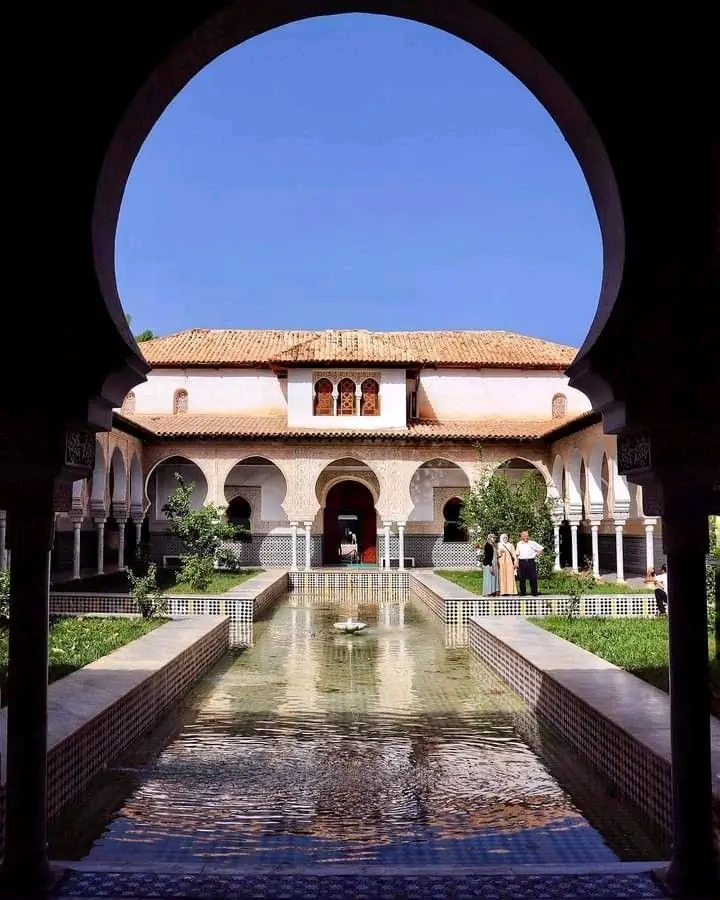
Variously nicknamed “the Pearl of the Maghreb”, “the African Granada” or “the Well-Guarded by God”, Tlemcen is one of Algeria’s most refined cities. Perched at 842 metres above sea level in the Tell Atlas mountains, approximately 140 km east of Oran, it was the brilliant capital of the Zianid kingdom and a crossroads of Berber, Arabo-Andalusian and Ottoman civilisations. Its architecture, monuments and music bear witness to a glorious past that continues to shine. This complete guide will help you plan your trip to Tlemcen, Algeria.
Table of Contents
Tlemcen, Algeria: A Millennial City of Many Names
Tlemcen is an ancient city that carries the layers of its history within its stones. It was known as Pomaria under the Romans (for its apple orchards), then Agadir and Tagrart before taking its current name. The great medieval sociologist Ibn Khaldoun described it thus: “The sciences and arts are successfully cultivated there; scholars and illustrious men are born whose reputation extends to other countries.”
The city was the seat of the Zianid kingdom from the 13th to the 16th century, a Berber dynasty that made it a beacon of cultural and artistic brilliance, inheriting the Andalusian influence brought by refugees from Spain and the Arabo-Berber traditions of the Maghreb.
Must-See Attractions in Tlemcen
The Sidi Boumediene Complex — El Eubbad
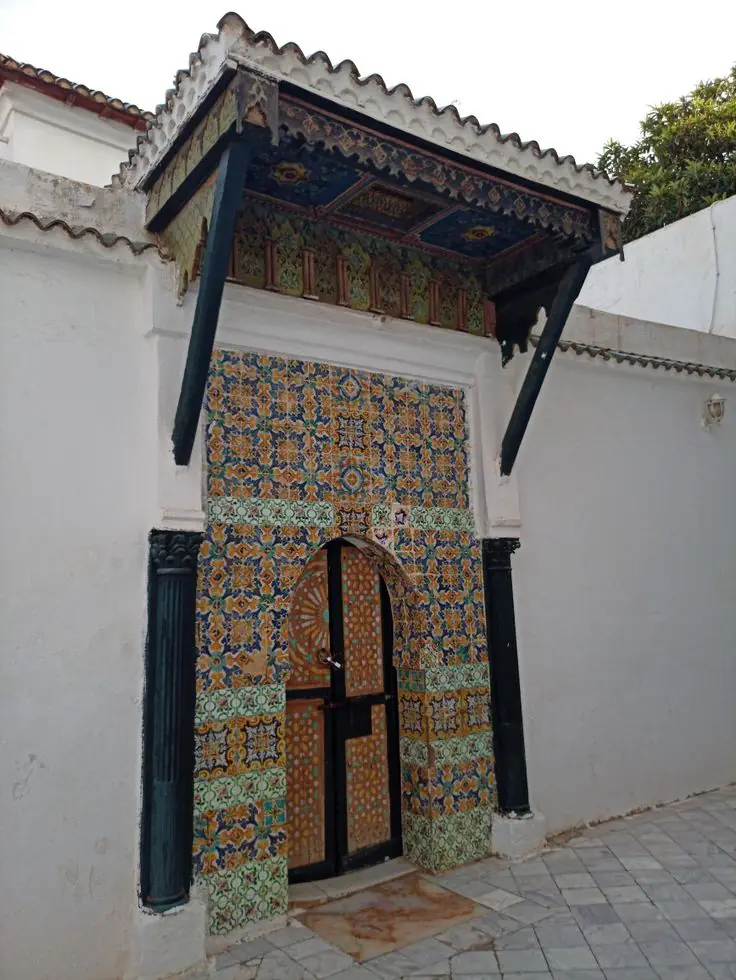
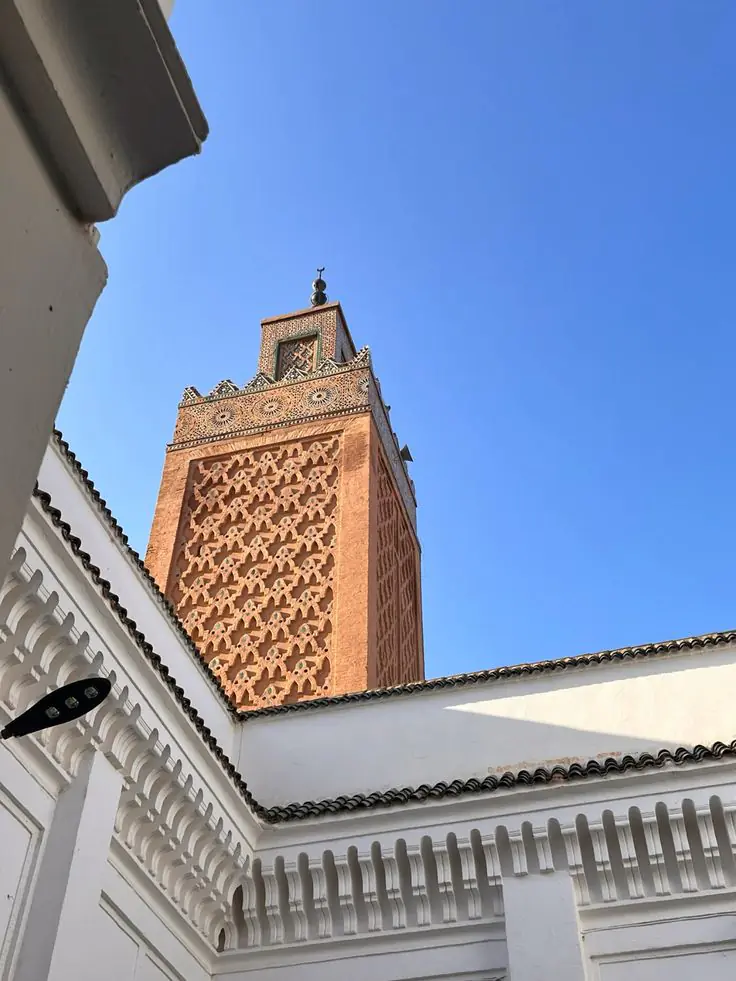
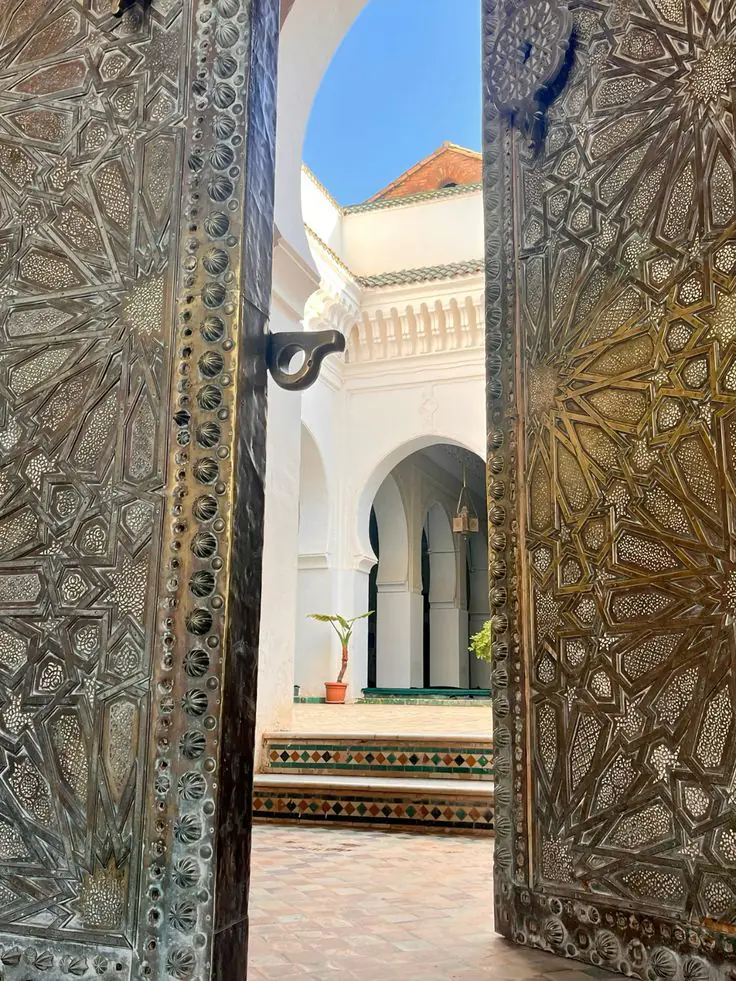
On the heights of El Eubbad, overlooking the city, the Sidi Boumediene complex is the spiritual heart of Tlemcen. It is dedicated to the city’s patron saint — a leading figure of Sufism, born near Seville in 1126 and died here in 1198. The complex brings together a mosque built in 1339 (an ablutions courtyard, five naves, a 27.5-metre minaret decorated with ceramic marquetry), a mausoleum where two tombs are bathed in light filtered through coloured tiles, along with a madrasa (1347), a palace, a zaouia and a hammam. It is one of the finest examples of Arabo-Andalusian architecture in Algeria and one of the most frequently visited pilgrimage sites in the country.
The Ruins of Mansourah and Its Marinid Minaret
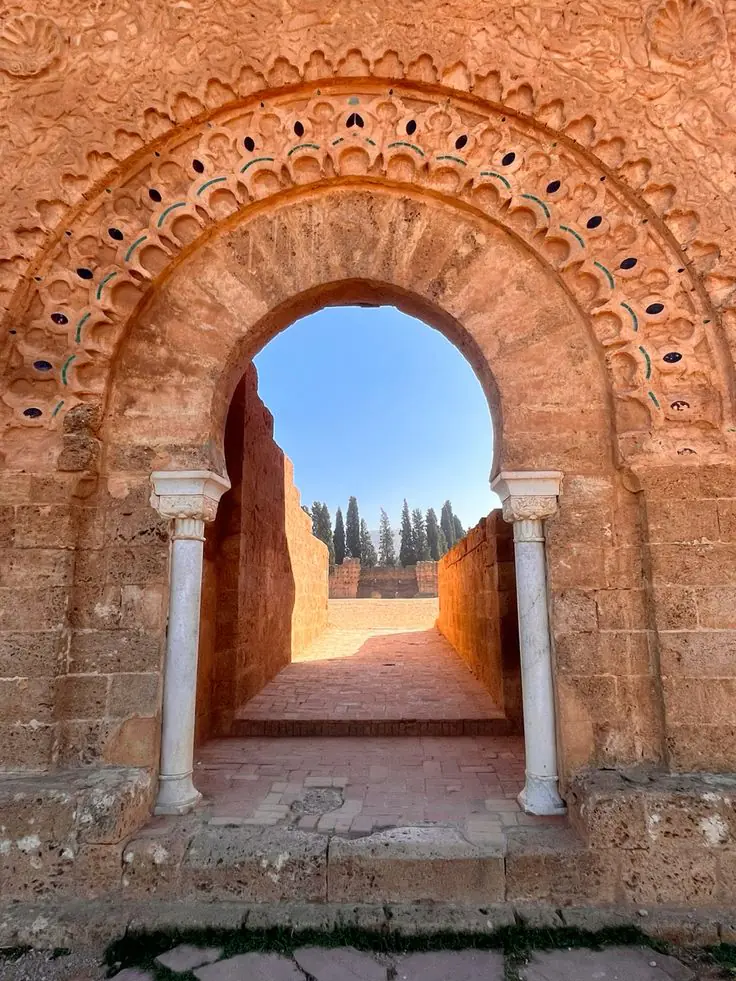
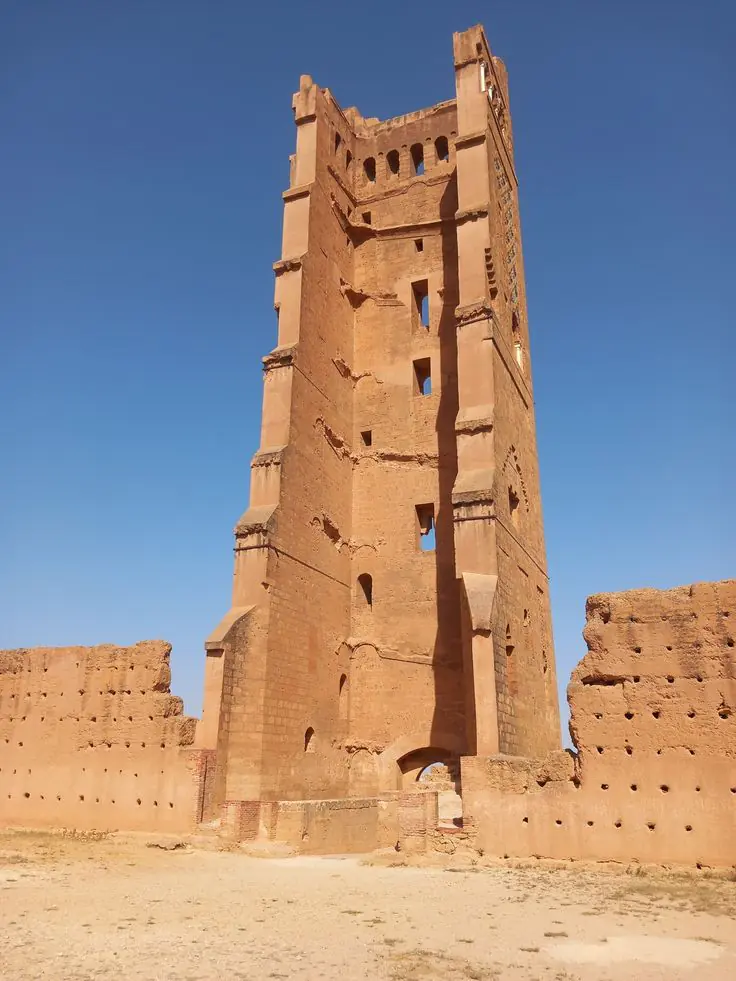
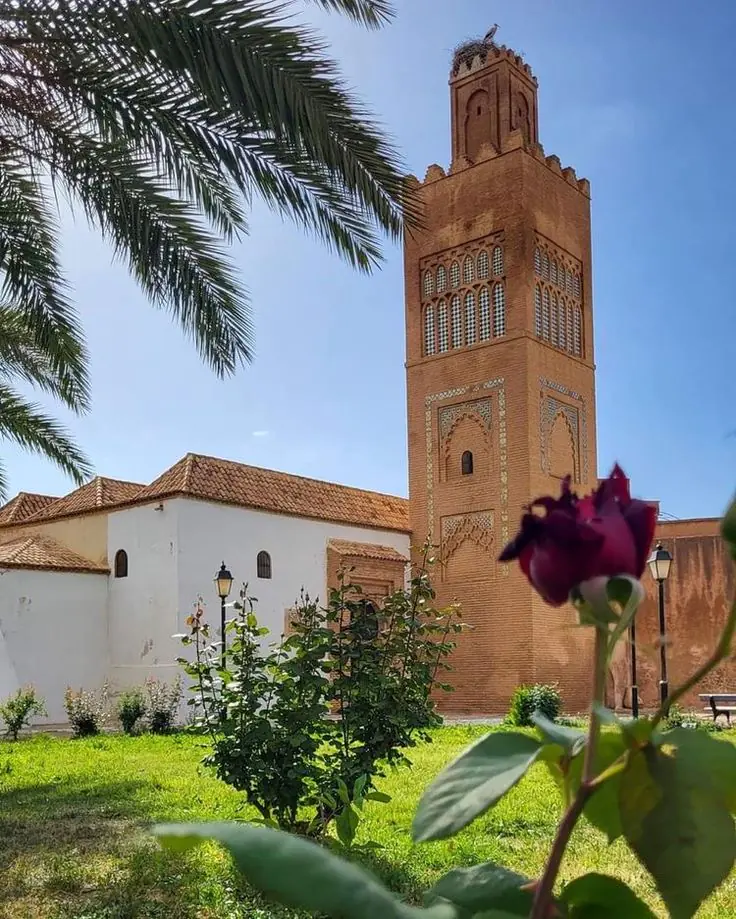
To the west of Tlemcen, the ruins of Mansourah are the remains of a siege city built by the Marinids during their siege of Tlemcen between 1299 and 1307, covering approximately 100 hectares. When the Marinid sultan was assassinated in 1307, the city was abandoned and then dismantled by the Zianids. All that remains are the ruins of the ramparts and the mosque minaret, 38 metres high — one of the most impressive in the Maghreb, comparable to the Giralda in Seville and the Hassan Tower in Rabat. Listed as a historic monument in 1968. Access: a few kilometres west of the city centre. Allow 1 to 2 hours.
The El Mechouar Palace-Citadel
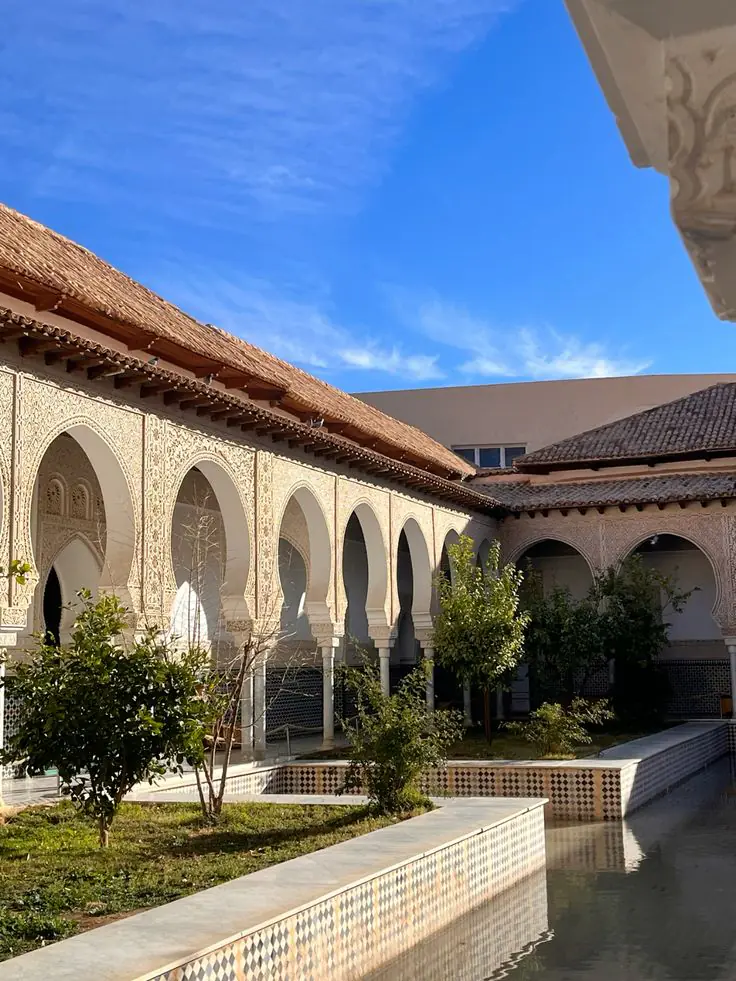
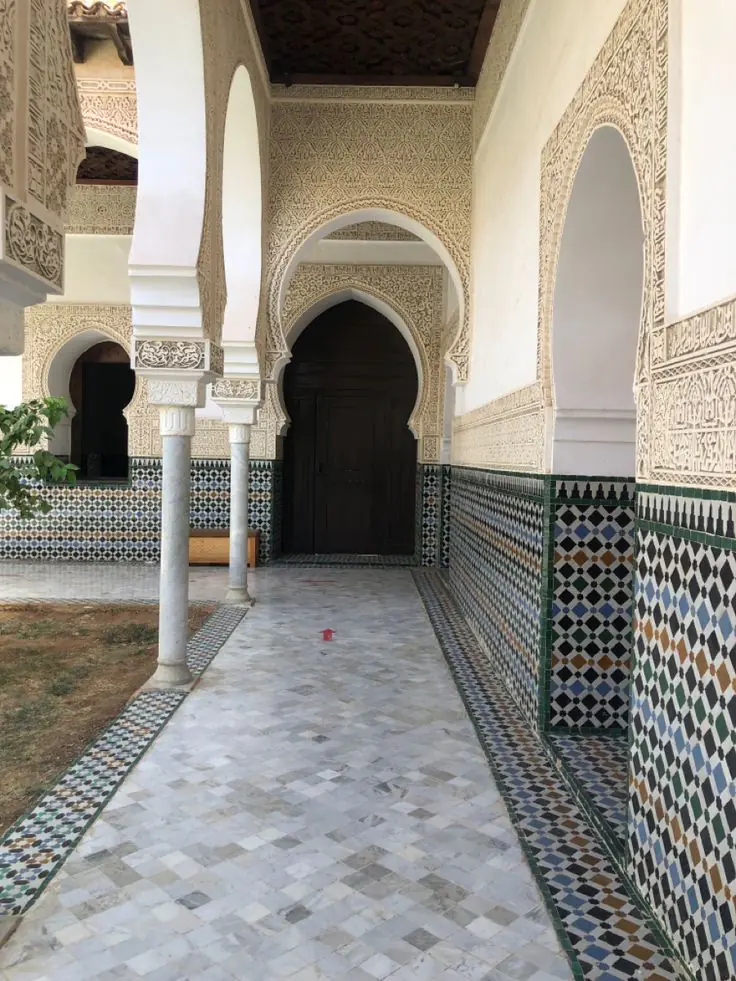
At the heart of the city, El Mechouar Palace (“the place of counsel”) was the official residence of the Zianid sultans. This rectangular citadel measuring 200 × 150 metres, enclosed within ramparts, houses a grand ceremonial hall, colourful mosaics and small marble fountain basins. The former royal chambers are now converted into a museum, featuring beautiful fragments of Arabo-Andalusian décor.
The Lala Setti Plateau
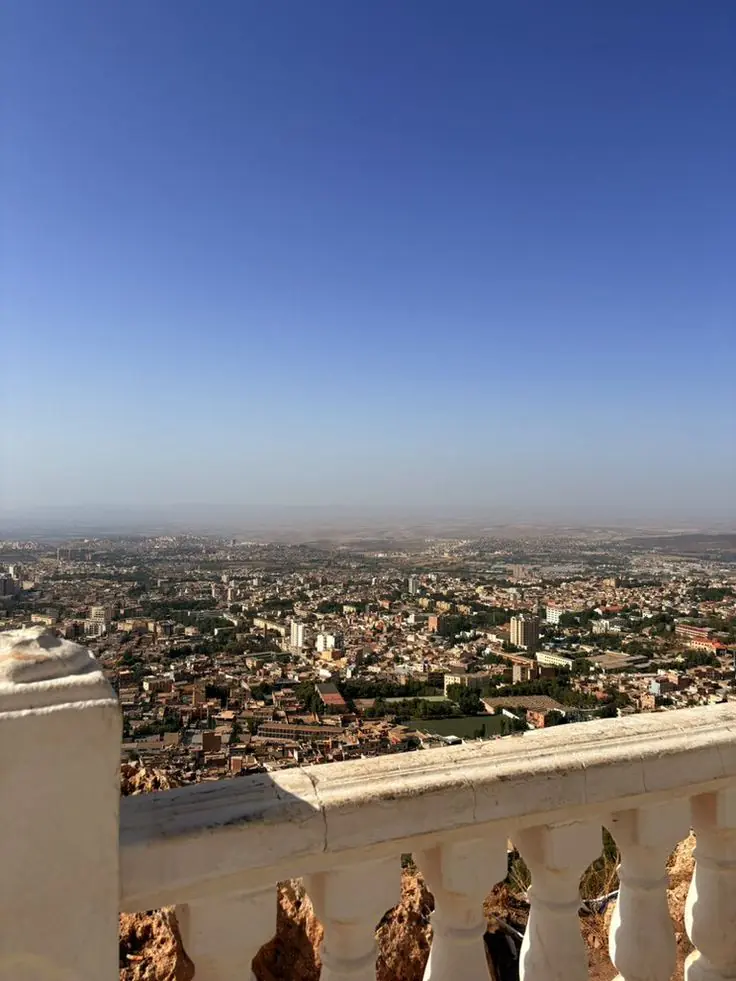
Overlooking Tlemcen at more than 800 metres above sea level, the Lala Setti plateau takes its name from a pious holy woman whose mausoleum stands on the site. From this 80-hectare belvedere, the panoramic view over Tlemcen and its surroundings is exceptional. The site is developed for families: an amusement park, an artificial lake, playgrounds and commercial facilities make it a popular leisure destination year-round.
Nature: Caves, Waterfalls and Coastline
The Beni Add Caves (Aïn Fezza)
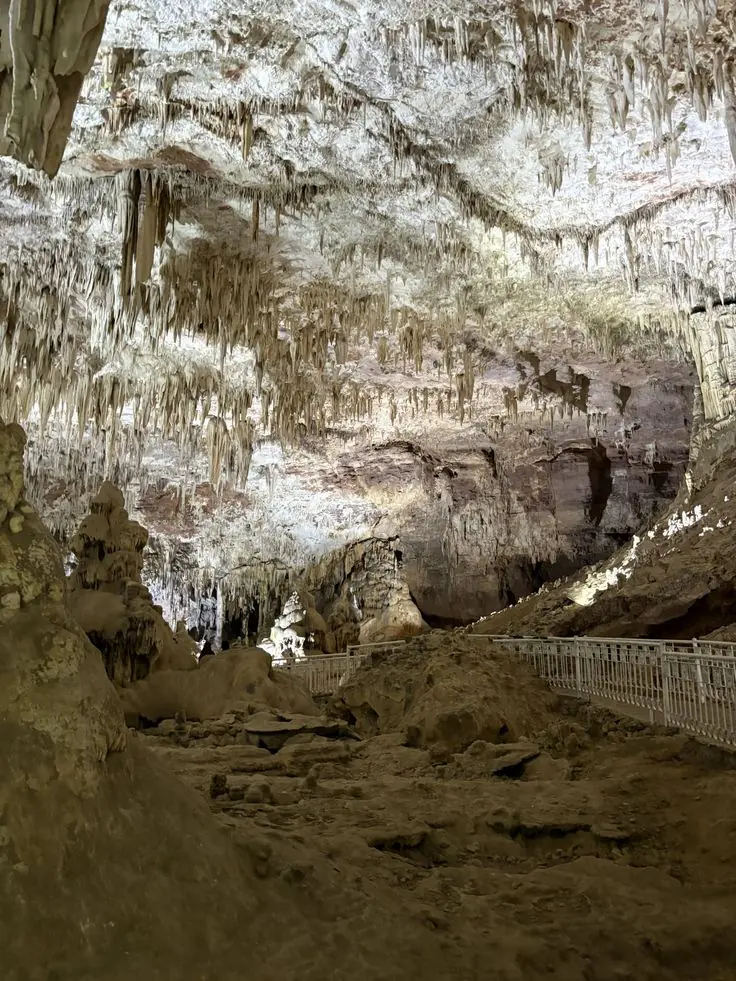
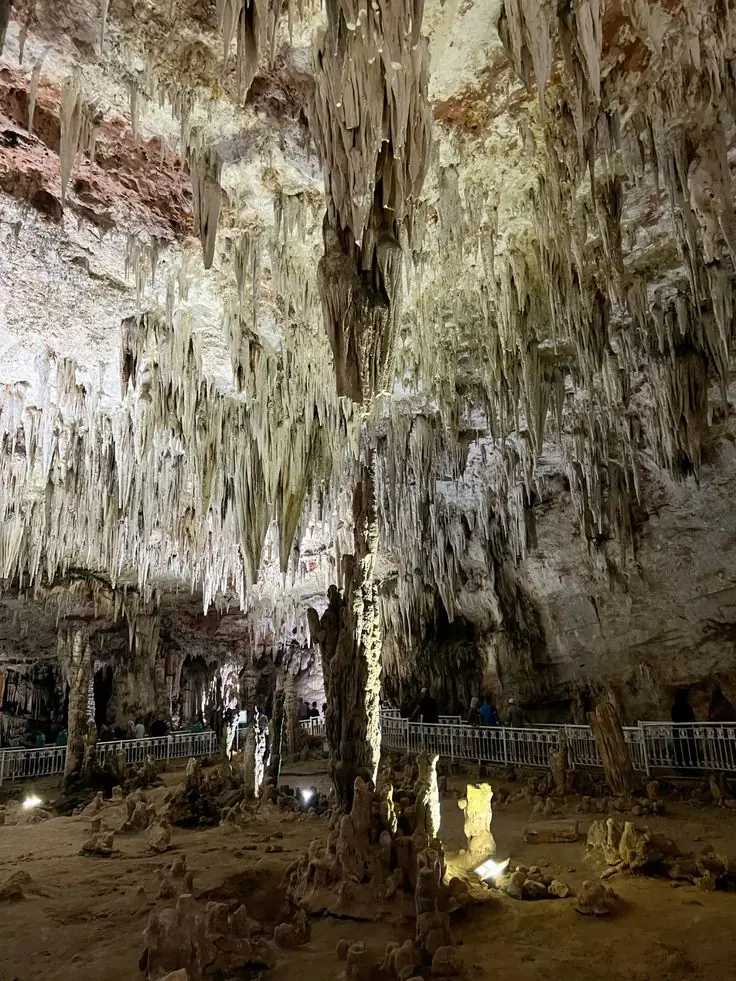
17 km from Tlemcen, at 1,143 metres above sea level, the Beni Add caves are among the largest caverns in Africa — several hundred metres long with a depth of 57 metres. Stalactites, stalagmites and limestone formations in striking shapes make for an extraordinary natural spectacle. During the war of independence, the caves served as a refuge for resistance fighters. Practical: Guided tour available on site. Bring a light jacket — it is cool inside.
The El Ourit Waterfalls and the Eiffel Viaduct
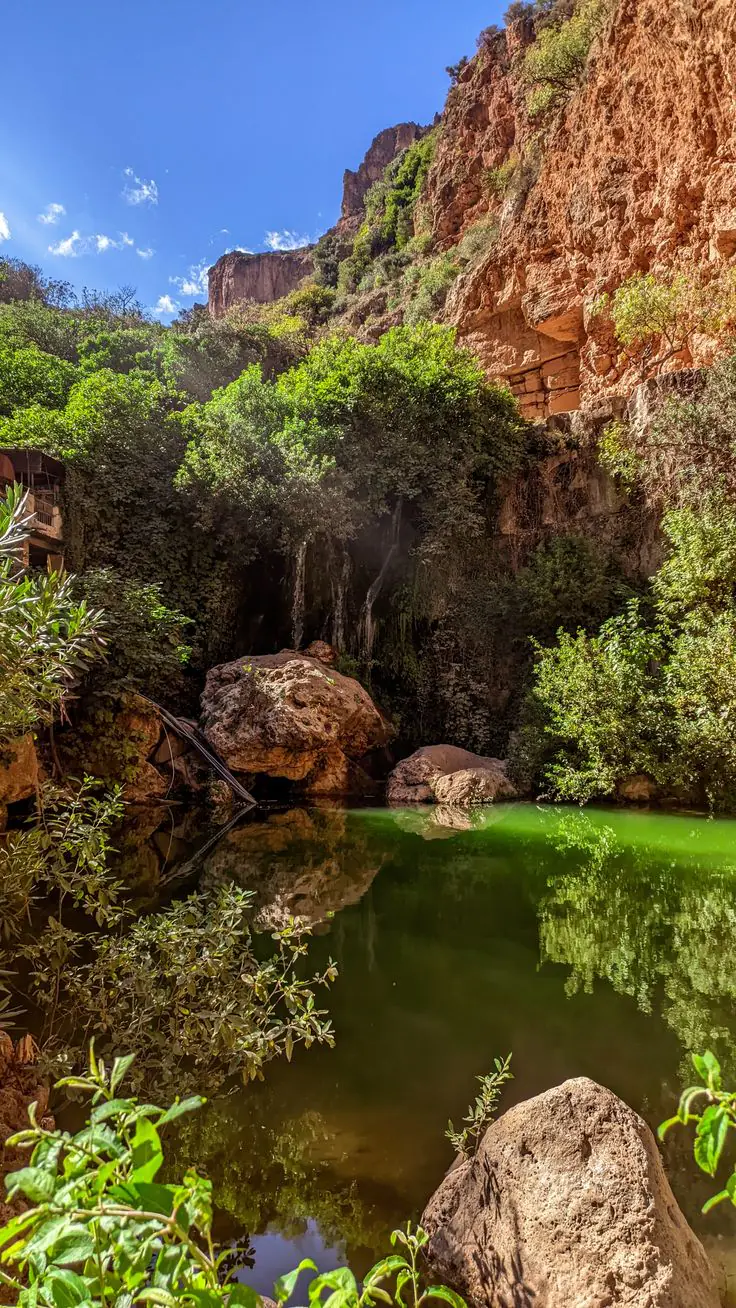
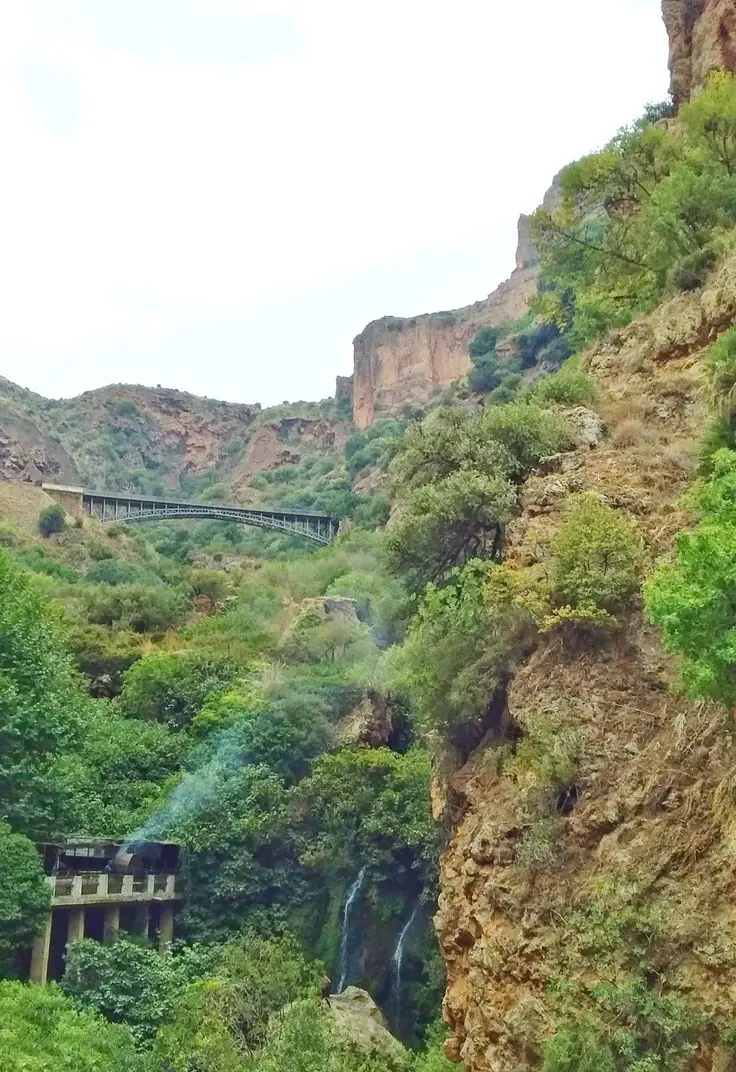
7 km from Tlemcen, within the Tlemcen National Park (established 1993), the El Ourit waterfalls tumble down seven tiers through a ravine of pink and red dolomite. A quirk of their history: they ran dry for 40 years before reappearing in 2009. A steel railway viaduct built in 1890 by the Gustave Eiffel & Cie company spans the torrent at 1,208 metres above sea level — one of Algeria’s most unusual engineering feats. Opening hours: 8 am–8 pm. Free entry, paid parking.
The Tlemcen Wilaya Coastline
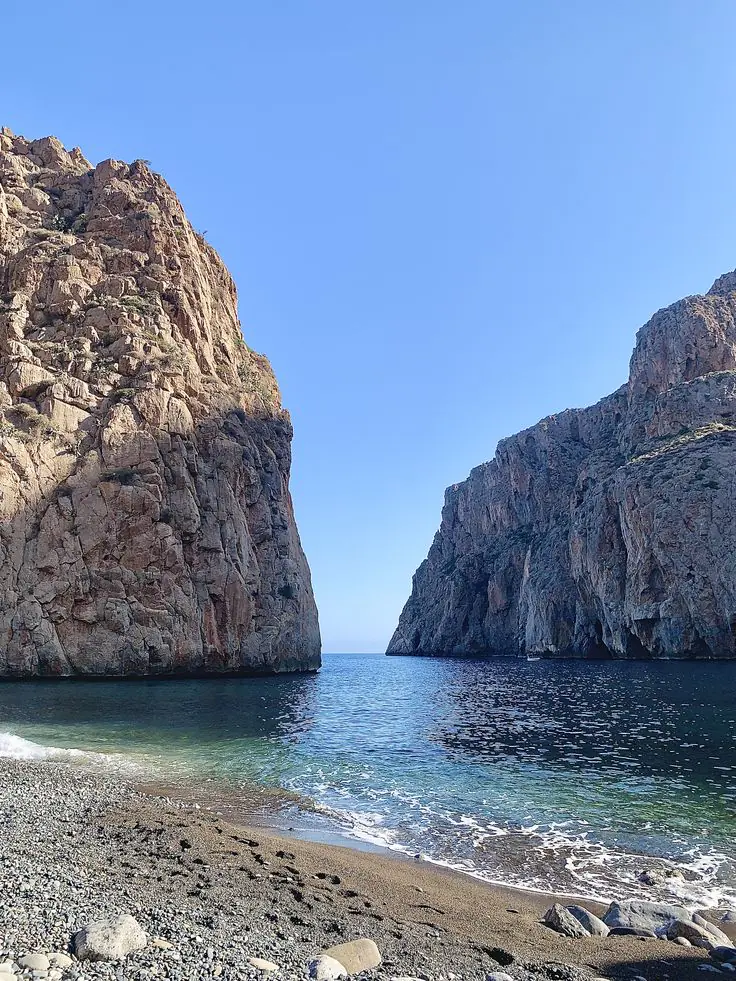
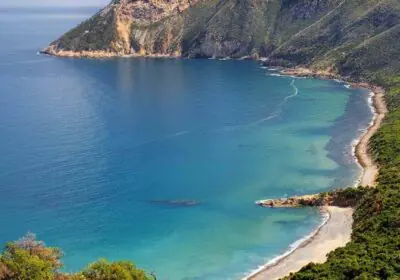
With a 73-km seafront, the wilaya of Tlemcen has 24 beaches, 10 of which are authorised for swimming. The best known — Marsat Ben M’hidi, Bider, Tafassout and Agla — attract more than a million visitors every summer. The coast is accessible from Tlemcen via the road towards Ghazaouet and Nedroma.
Tlemcen’s Gastronomy: A Refined Culinary Art
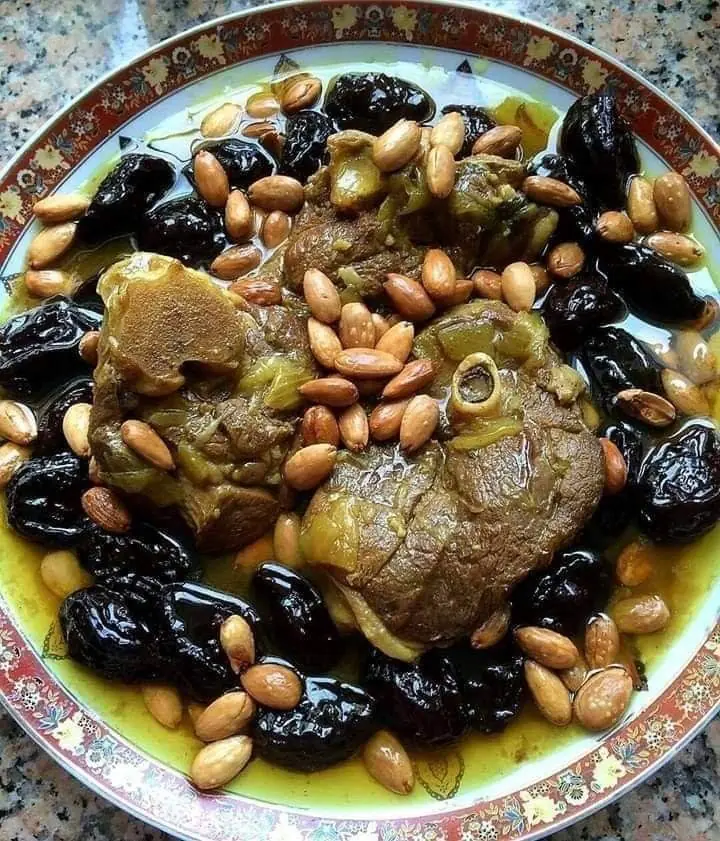

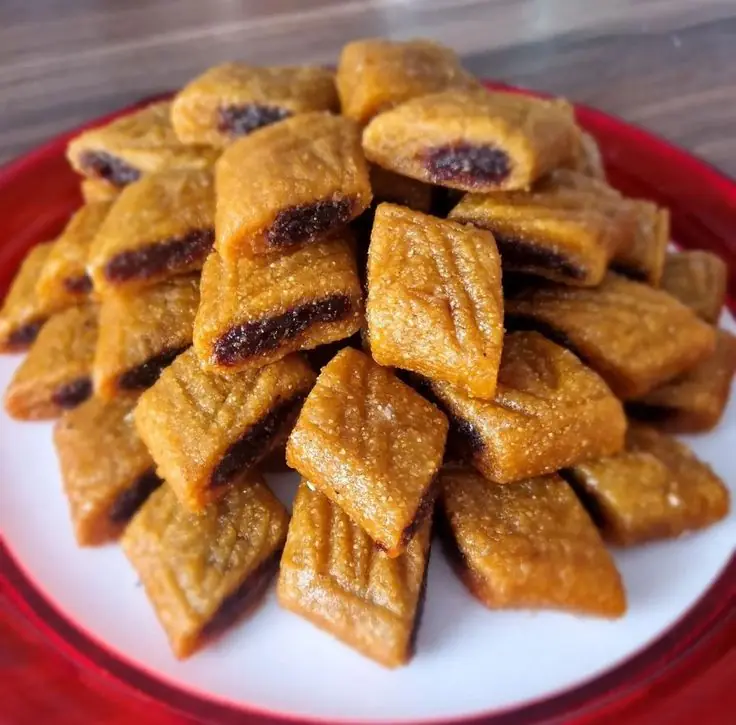
Tlemcen’s cuisine is the direct heir of the civilisations that shaped the city — Berber, Andalusian and Ottoman — enriched by the fertility of its orchards. Among the unmissable specialities:
- Harira tlemcénienne: Tlemcen’s chorba — richer than average, fragrant with lemon
- Tlemcen couscous: served with raisins, saffron or black pepper depending on the occasion
- Mqatfa: fried semolina flatbreads, a vestige of Berber mountain cooking
- Berkoukes: small rolled pasta in sauce — a festive dish
- El m’hamer: slowly roasted lamb, meltingly tender and fragrant
On the sweet side, Tlemcen excels in Andalusian pastries: makrout, baqlawa, samssa, griouèche — all delights to be found in the medina’s pastry shops.
Crafts and Culture: The Chedda and Andalusian Music
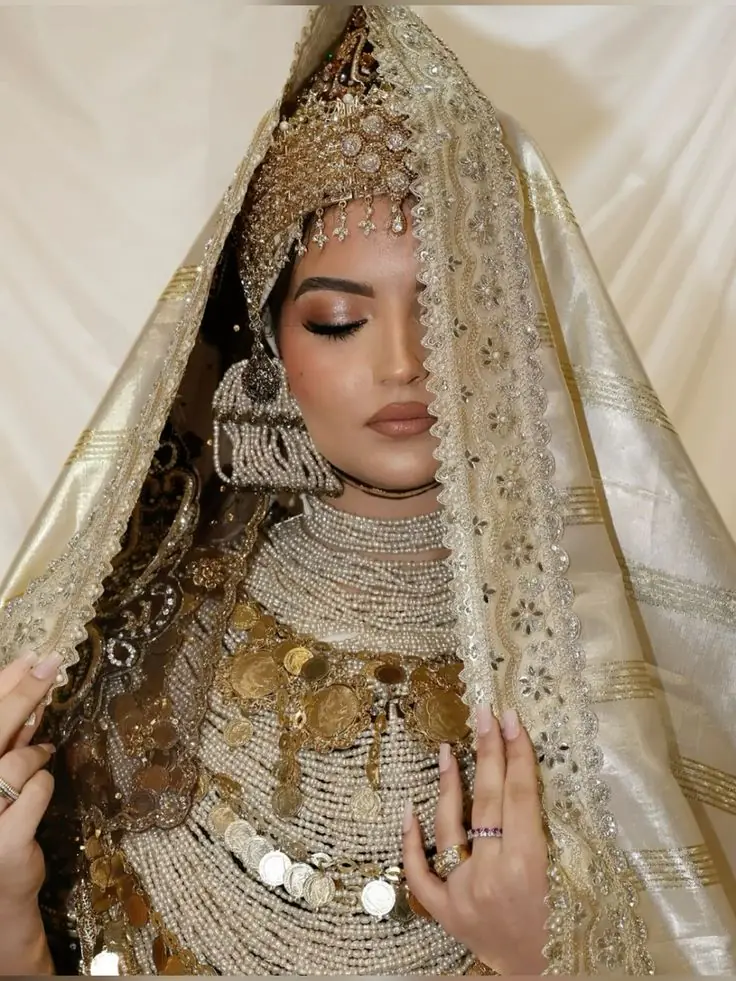
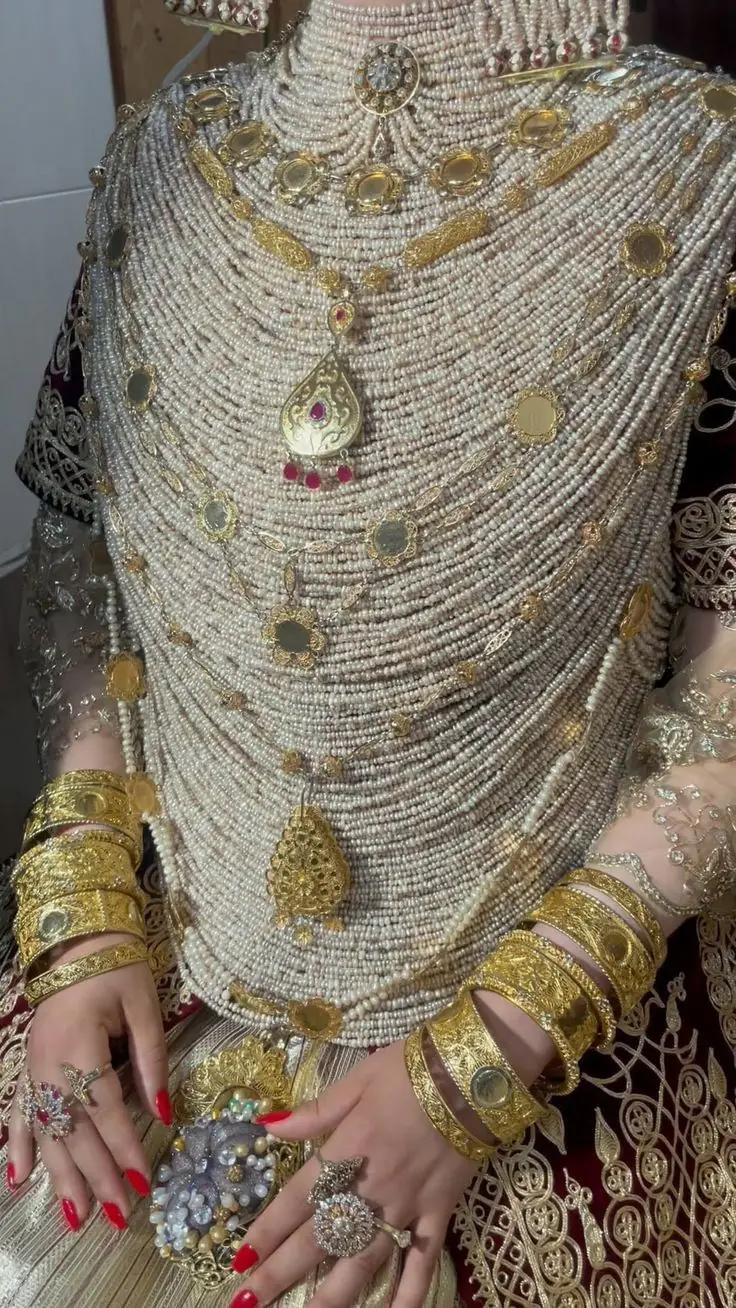
The Chedda of Tlemcen is the city’s traditional bridal costume, inscribed on UNESCO’s List of Intangible Cultural Heritage of Humanity in 2012. This sumptuous outfit, once worn by Zianid princesses, is a pure product of Tlemcen craftsmanship: gold thread embroidery, velvet, silk and silver jewellery.
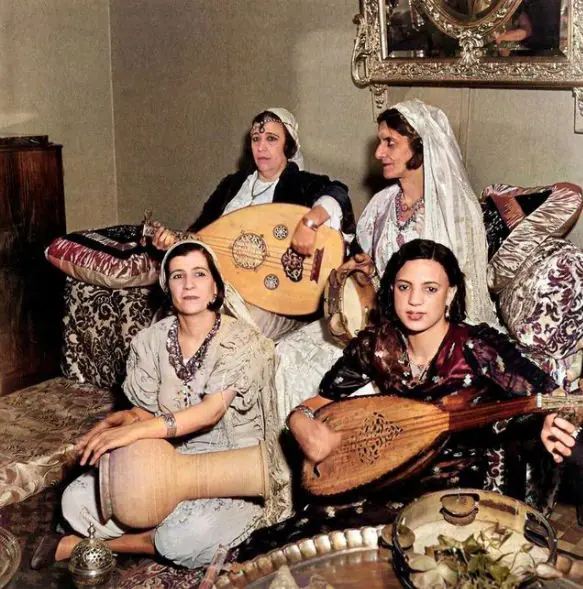
Tlemcen is also the Algerian capital of Andalusian music. Inherited from the musicians and poets who fled Spain, this tradition expresses itself through the nûba (a classical musical suite) and hawzi. Its great figures — Cheikh Mohamed Ghaffour, Lila Borsali, Abdelkrim Dali, Cheikhâ Tetma (the first woman to perform publicly in Tlemcen) — have given this music a prestige that reaches far beyond Algeria’s borders. The city was also the birthplace of Rachid Baba Ahmed, the great producer who shaped modern raï music.
The Seven Historic Gates of Tlemcen (The Bibans)
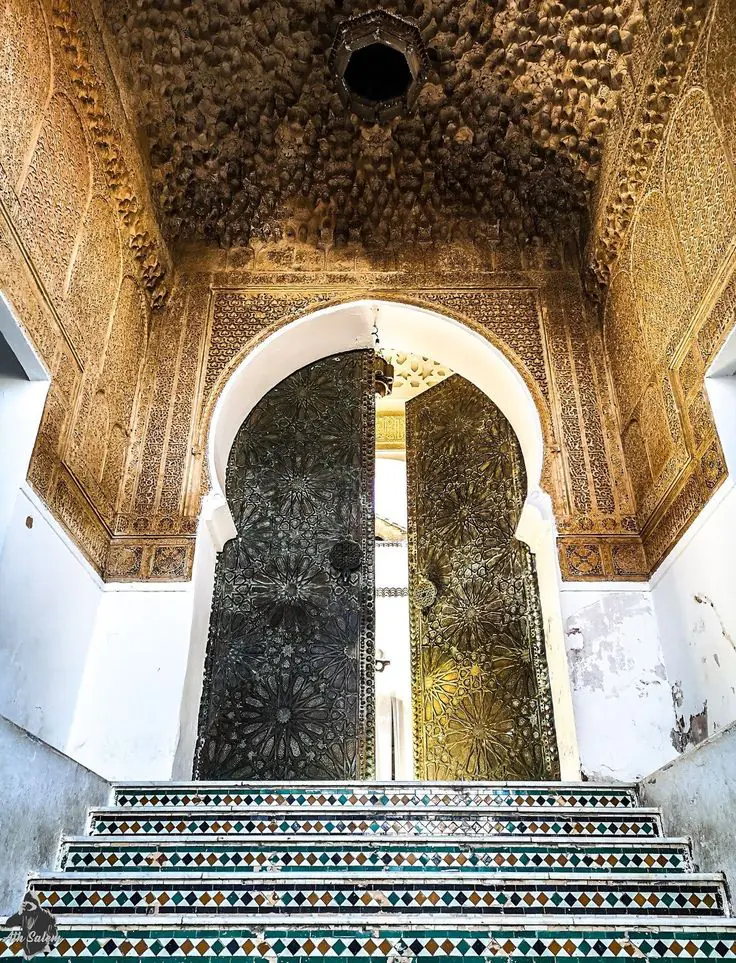
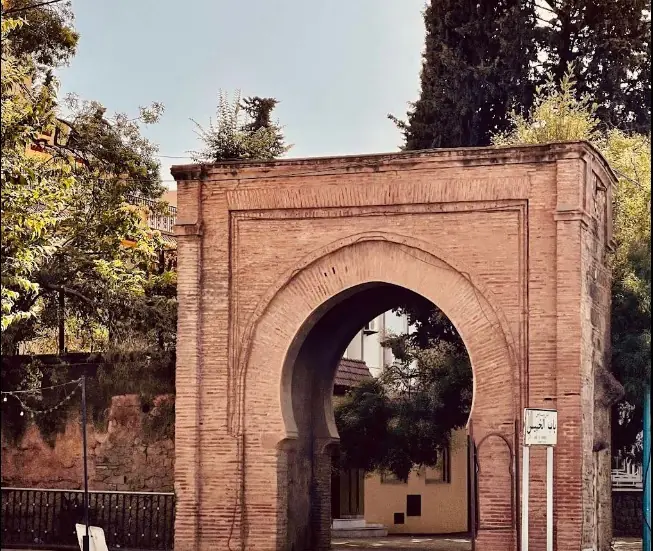
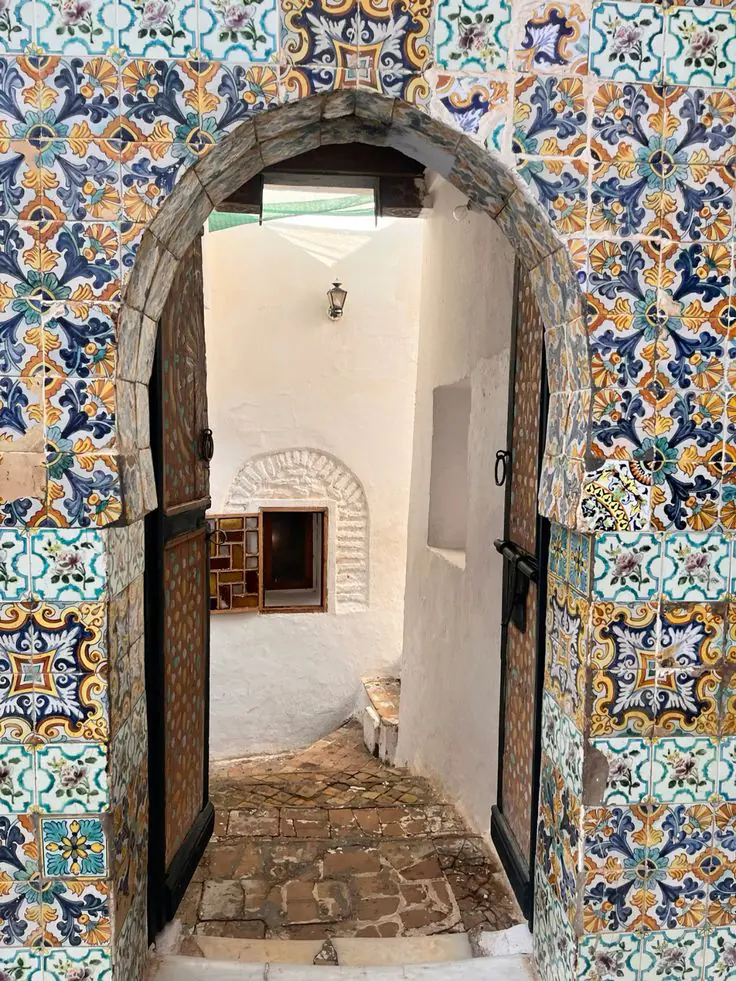
Tlemcen’s medieval walls were pierced by numerous gates — the Bibans — that regulated access to the city. The main ones:
- Bab El Karmadine (north-east): built in the Almohad era, it still survives in the second enclosure
- Bab El Khamise (or Bab El Mérinide, south-east): one of the few gates still standing, it leads towards Mansourah
- Bab El Djiad (south): replaced by a more recent gate known as Bab Sidi Abou Mediene
- Bab Fès (south-west): gave access to the road towards Fez; destroyed during the colonial period
- Bab Wahren (west): led to Oran; destroyed during the colonial period
Practical Information for Visiting Tlemcen, Algeria
- Getting there: Zenata-Messali El Hadj Airport (flights from Algiers); train from Algiers (~10 hours); motorway towards Oran then by road
- Distance: ~140 km east of Oran, ~550 km west of Algiers
- Altitude: 842 m — temperate climate, warm but bearable summers, cool winters that can bring snow
- Best period: Spring (April–June) and autumn (September–October)
- Visa: check the visa requirements for Algeria for your nationality
Tlemcen fits naturally into a western Algeria circuit combining the city with Oran, the coast and the region’s archaeological sites. Our complete guide to visiting Oran is the ideal complement to a stay in Tlemcen. For a tailor-made stay, contact our local team.
Summary Table — Tlemcen, Algeria
| Detail | Information |
|---|---|
| Nickname | Pearl of the Zianids, Pearl of the Maghreb, African Granada |
| Altitude | 842 m |
| Distance from Oran | ~140 km east |
| Sidi Boumediene complex | El Eubbad — mosque (1339), mausoleum, madrasa (1347) |
| Mansourah | Marinid siege city (1299–1307) — 38-metre minaret |
| El Mechouar | Zianid palace — 200 × 150 m |
| Beni Add Caves | 17 km — 1,143 m altitude — among the largest in Africa |
| El Ourit Waterfalls | 7 km — 7 tiers — Eiffel viaduct (1890) |
| Coastline | 73 km, 24 beaches (10 authorised) |
| UNESCO | Chedda of Tlemcen listed as intangible heritage in 2012 |
FAQ — Tlemcen, Algeria
Where is Tlemcen in Algeria? Tlemcen is a city in western Algeria, perched at 842 metres above sea level in the Tell Atlas mountains, approximately 140 km east of Oran and 550 km west of Algiers.
Why is Tlemcen called the Pearl of the Zianids? Tlemcen was the capital of the Berber Zianid kingdom from the 13th to the 16th century. This dynasty made it a centre of art, knowledge and Andalusian culture, endowing it with an architectural beauty that accounts for its many nicknames.
What is the Chedda of Tlemcen? The Chedda is Tlemcen’s traditional bridal costume, inscribed on UNESCO’s List of Intangible Cultural Heritage of Humanity in 2012. A velvet dress embroidered in gold thread, silver jewellery and a headdress are its emblematic elements.
What is Mansourah in Tlemcen? Mansourah is a former siege city built by the Marinids between 1299 and 1307. Only the ruins of the ramparts and the mosque minaret (38 metres) remain — one of the finest in the central Maghreb, listed in 1968.
What is there to see in nature around Tlemcen? The Beni Add caves at Aïn Fezza (17 km), among the largest in Africa, and the El Ourit waterfalls (7 km) with their Gustave Eiffel viaduct (1890) are the two unmissable natural sites.
What is Tlemcen’s traditional music? Tlemcen is the capital of Andalusian music in Algeria. The nûba and hawzi produced legendary artists including Abdelkrim Dali, Cheikh Mohamed Ghaffour, Lila Borsali and Cheikhâ Tetma.