
| ✈️ Distance / Flights | About 1,430 miles (2,300 km) from Algiers — direct flight ~2.5 hours |
| 🛂 Visa on arrival | Available — only through an approved travel agency |
| 🌡️ Best time / temperatures | October to April — 68–82°F (20–28°C) by day, 50–59°F (10–15°C) at night. Summers extremely hot (up to 104°F / 40°C) |
| ⏳ Recommended stay | Minimum 5 days for key sites — up to 7 days for full immersion |
| 🏕️ Accommodation | Local hotels, guesthouses, and organized desert camps |
| 🚙 Popular routes | Tadrart Rouge – Ihrir Oasis – Sefar – combined Tadrart & Ihrir itineraries |
| ⭐ Djanet’s highlight | Home to the world’s largest open-air prehistoric site (Tassili n’Ajjer — UNESCO World Heritage) |
Nestled in the heart of the Algerian Sahara, Djanet is a captivating oasis — an unexpected gem where the vastness of the desert meets the raw beauty of nature. Peaceful, mysterious, and timeless, it offers a true escape from the noise of everyday life.
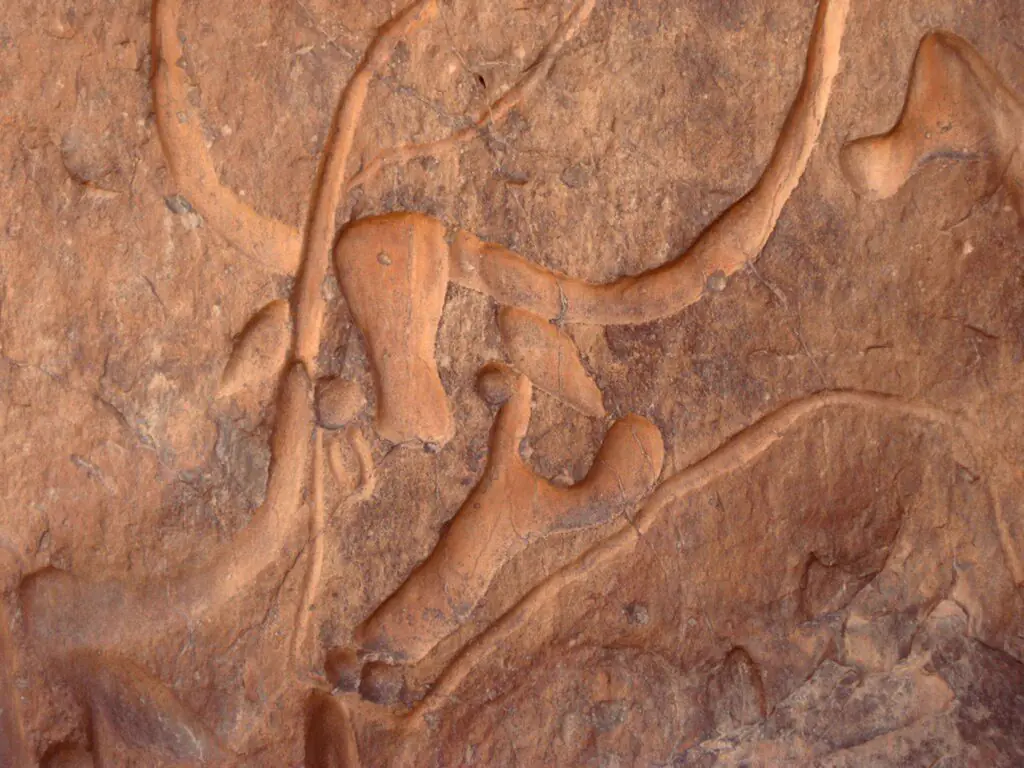
Table of Contents
1. Immerse Yourself in the Magic of the Sahara
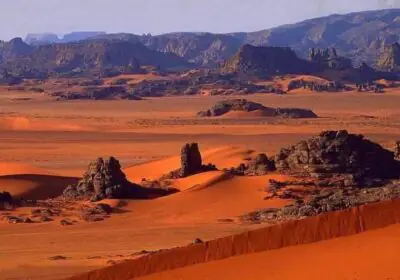
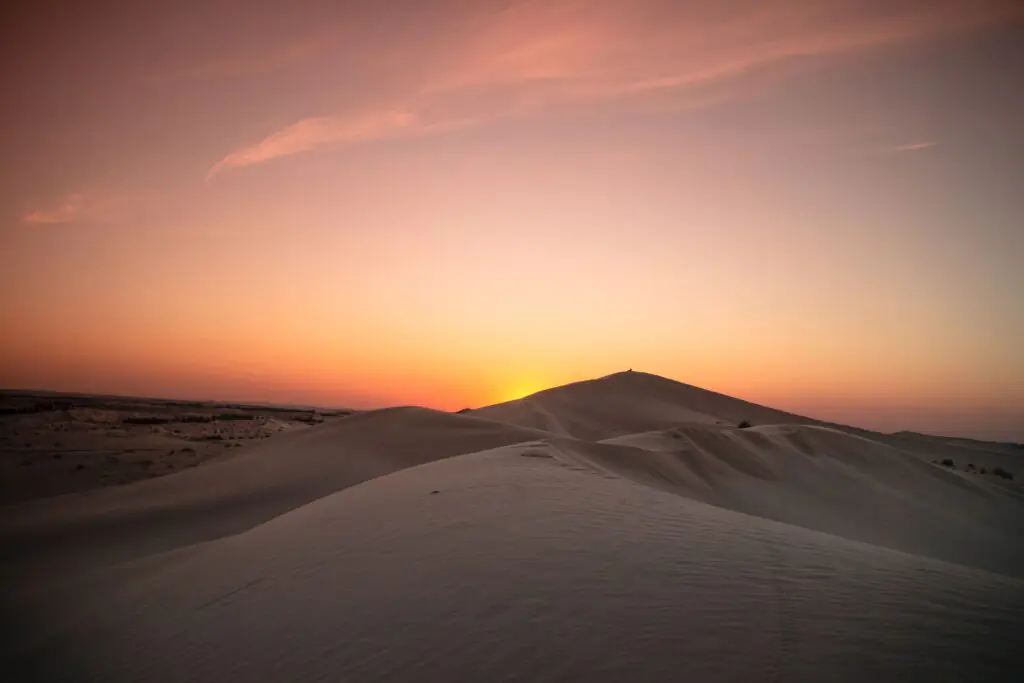
Djanet is first and foremost an invitation to slow down and take it all in. The surrounding desert unveils breathtaking landscapes, where golden dunes rise beneath an endless blue sky.
Sunsets here are unforgettable — shades of orange and deep purple transform the horizon into a living masterpiece etched into memory.
2. Step Back in Time
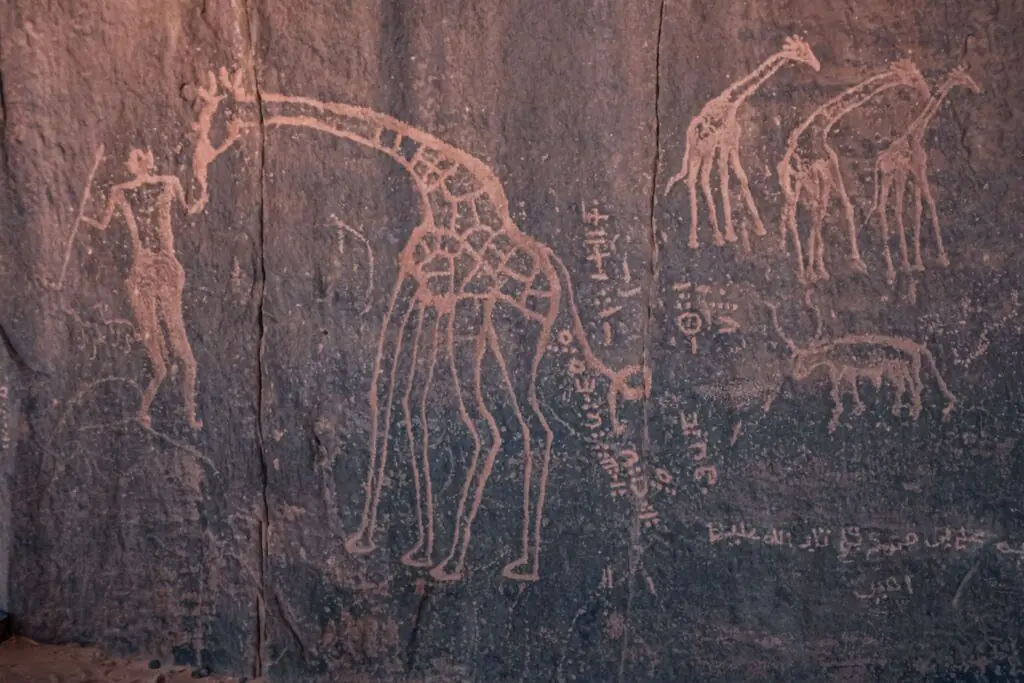
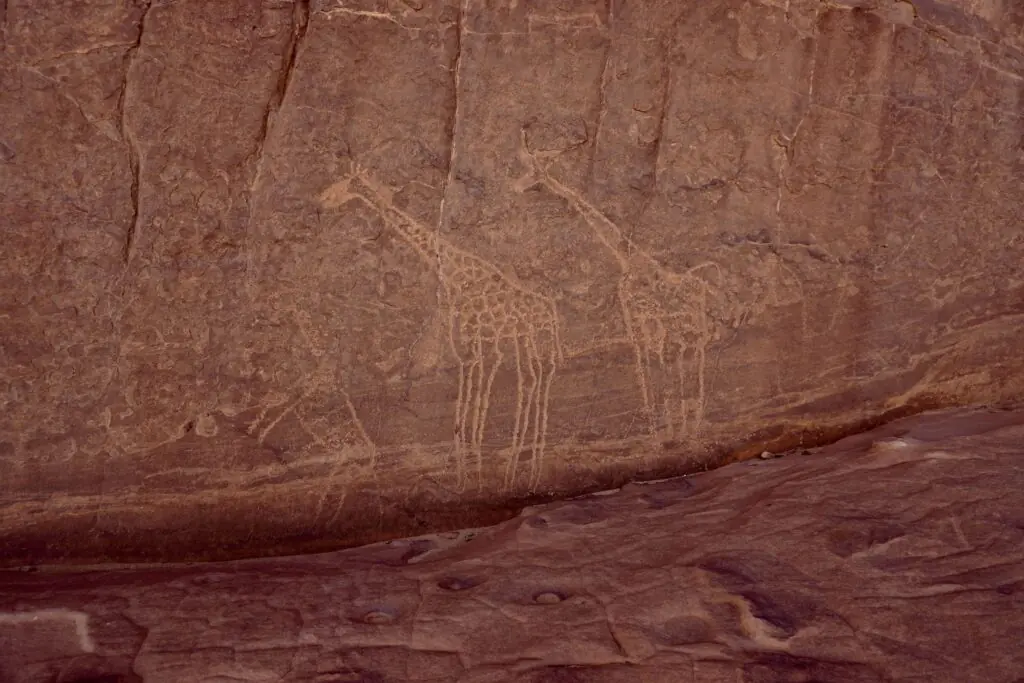
A visit to Djanet is also a journey into the distant past. The Tassili n’Ajjer, a UNESCO World Heritage Site, hosts one of the richest collections of rock art in the world — over 15,000 engravings and paintings dating back 6,000 to 12,000 years.
These ancient works depict scenes of daily life — hunting, rituals, and pastoral life — revealing a time when the Sahara was green and teeming with wildlife now long gone.
3. Experience the Sebiba Festival
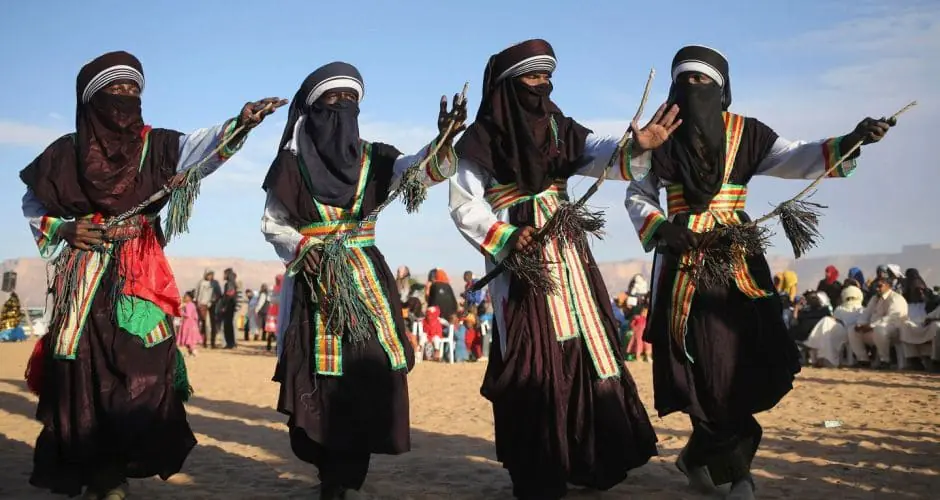
Djanet is not just about landscapes — it’s also a vibrant cultural hub. Each year, the Sebiba festival, recognized by UNESCO as intangible cultural heritage, brings the desert to life.
This ancient Tuareg celebration features ritual dances symbolizing reconciliation and unity. Through rhythmic drumming, chants, and choreographed movements, two opposing groups reenact traditions passed down for generations. For travelers, it’s a rare and powerful cultural experience.
4. Sleep Under a Thousand Stars
For a truly unforgettable experience, spend a night in the desert. Whether in a traditional Tuareg tent or under the open sky, you’ll witness one of the clearest night skies imaginable. Around the campfire, with traditional music and stories shared by local guides, the quiet grandeur of the desert comes alive.
Djanet’s 3 Must-Do Routes
1. The Tadrart Rouge Circuit
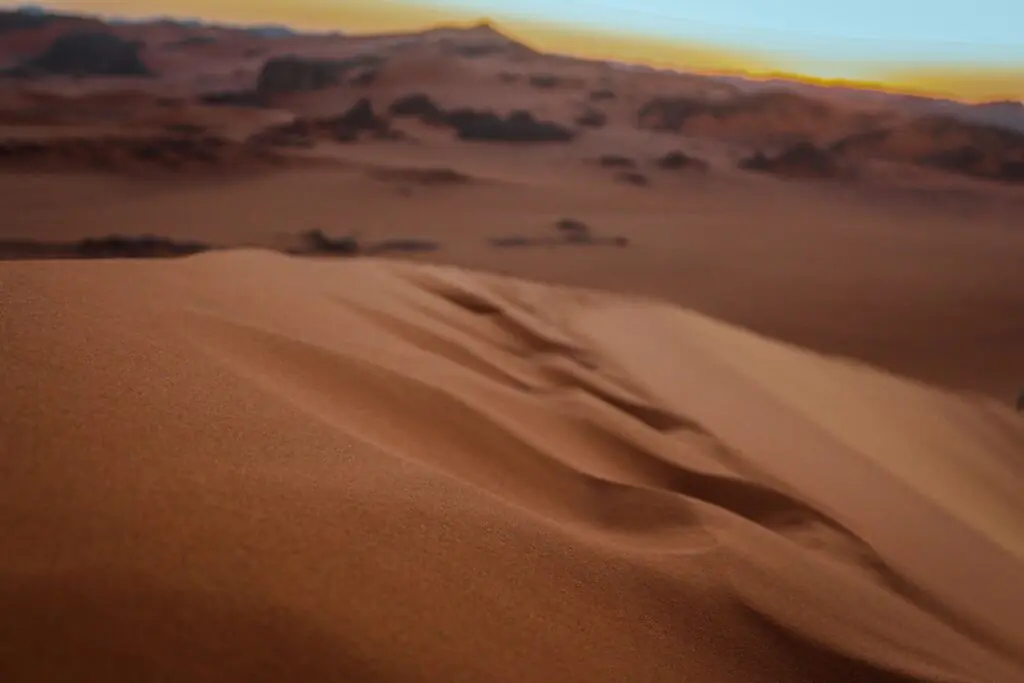
Famous for its fiery red dunes and dramatic rock formations, Tadrart is one of the most photogenic areas of the Sahara. Ideal for trekking or 4×4 exploration, it also features remarkable rock art sites.
2. The Ihrir Oasis
Tucked away in a lush valley, Ihrir offers a striking contrast to the surrounding desert. Its riverbeds and natural pools create a refreshing, peaceful setting — perfect for relaxation and nature immersion.
3. The Sefar Trek
Often called the largest open-air prehistoric “city” in the world, Sefar is home to thousands of ancient rock paintings and engravings. It’s a true natural museum that immerses visitors in the deep history of the Sahara.
Travel Tips
Plan ahead
Consider weather conditions and the unique logistics of desert travel. Book your trip well in advance, especially during peak season (December–February).
Choose a local agency
For a safe and authentic experience, working with a local travel agency ensures expert Tuareg guides and deep regional knowledge — as well as handling your visa on arrival paperwork.
Health & safety
Bring essentials: a hat, sunscreen, sunglasses, warm layers for cool nights, and a basic first aid kit.
Respect the environment
The desert is fragile — minimize your impact and respect local wildlife and vegetation.
Honor local culture
Approach Tuareg traditions with respect and openness for a richer, more meaningful experience.
Final Thoughts
Djanet is more than a destination — it’s an experience. A place where time seems to stand still, where history, nature, and culture come together in a deeply moving way. Whether you’re drawn by ancient history, stunning landscapes, or the search for peace and quiet, Djanet offers a journey that stays with you long after you leave.
Ready to discover this Saharan pearl? Contact us today — we’ll handle your visa on arrival, organize your Tuareg guides, and design a tailor-made itinerary combining Tadrart, Sefar, and Ihrir for an unforgettable journey into one of the world’s last great wild places.