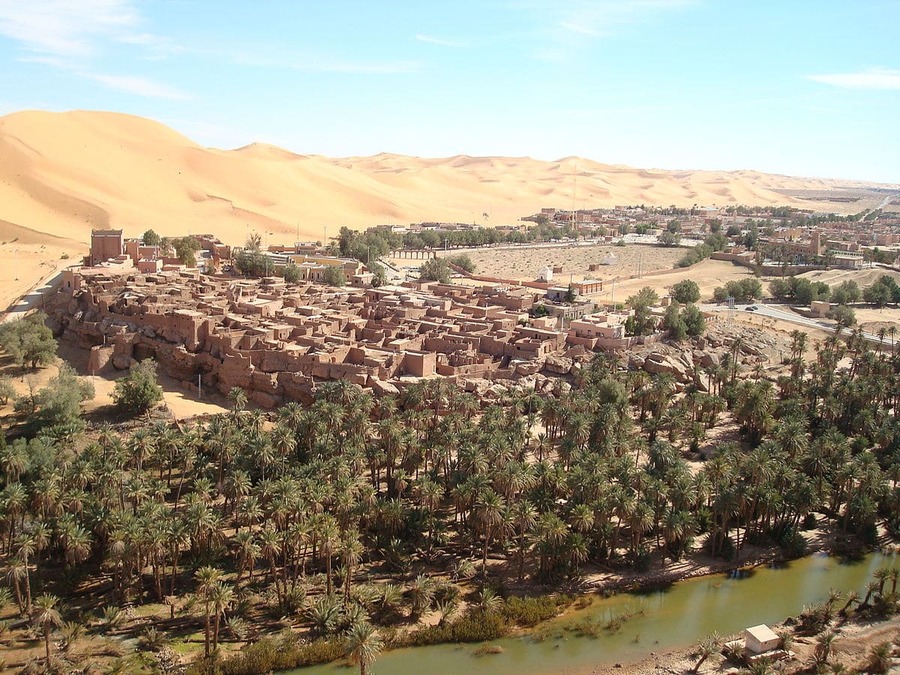
Taghit rises like a mirage in the heart of the Sahara. After miles of arid desert, travelers suddenly discover a lush oasis where more than 120,000 date palms stretch across over 20 kilometers, surrounding a red-earth town nestled at the foot of towering dunes.
Made up of six traditional ksour, Taghit is a vibrant island of life nourished by the Zousfana Valley. The oasis is famous for its dates, its thousand-year-old ksar perched on a rocky outcrop, and its breathtaking desert scenery.
During the golden hours of sunrise and sunset, the contrast between the palm grove and the endless dunes creates one of the most spectacular landscapes in the Algerian Sahara, making Taghit one of the most beautiful destinations in southern Algeria.
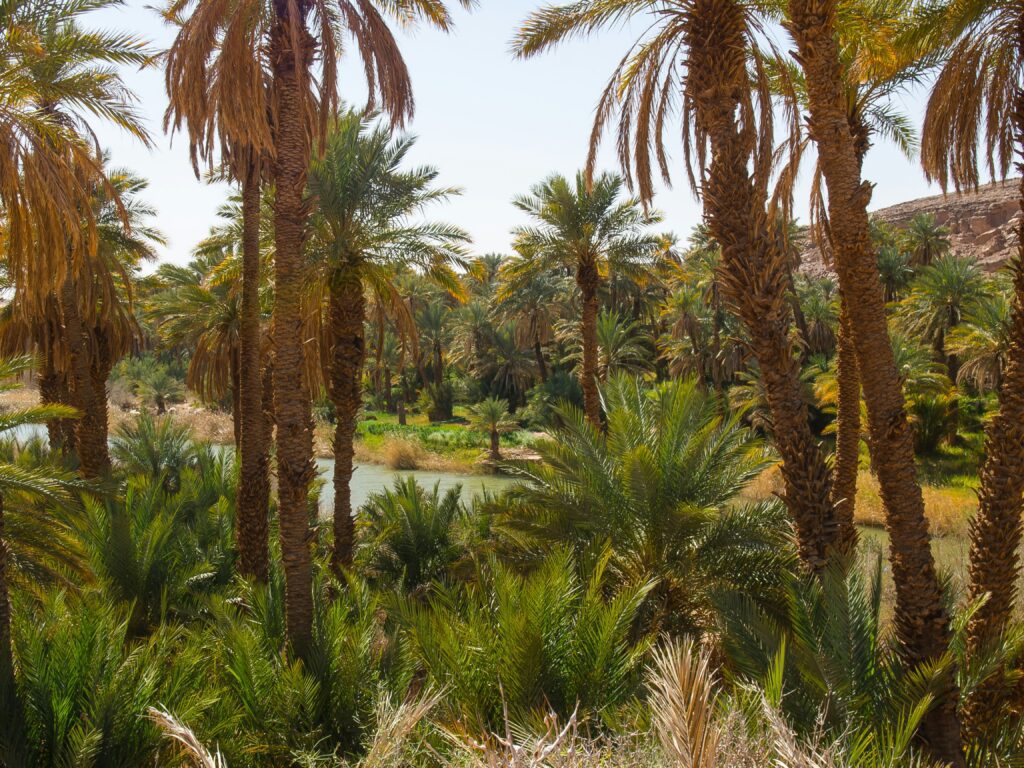
Table of Contents
What to Visit in Taghit
1 — The Great Dune of Taghit
- One of the tallest sand dunes in the world (around 190 meters high)
- Stunning 360° panoramic views over the dunes and oasis
- Activities: dune climbing, sunset watching, sandboarding, traditional dinners with locals
- Bring: water, sturdy shoes, and sun protection
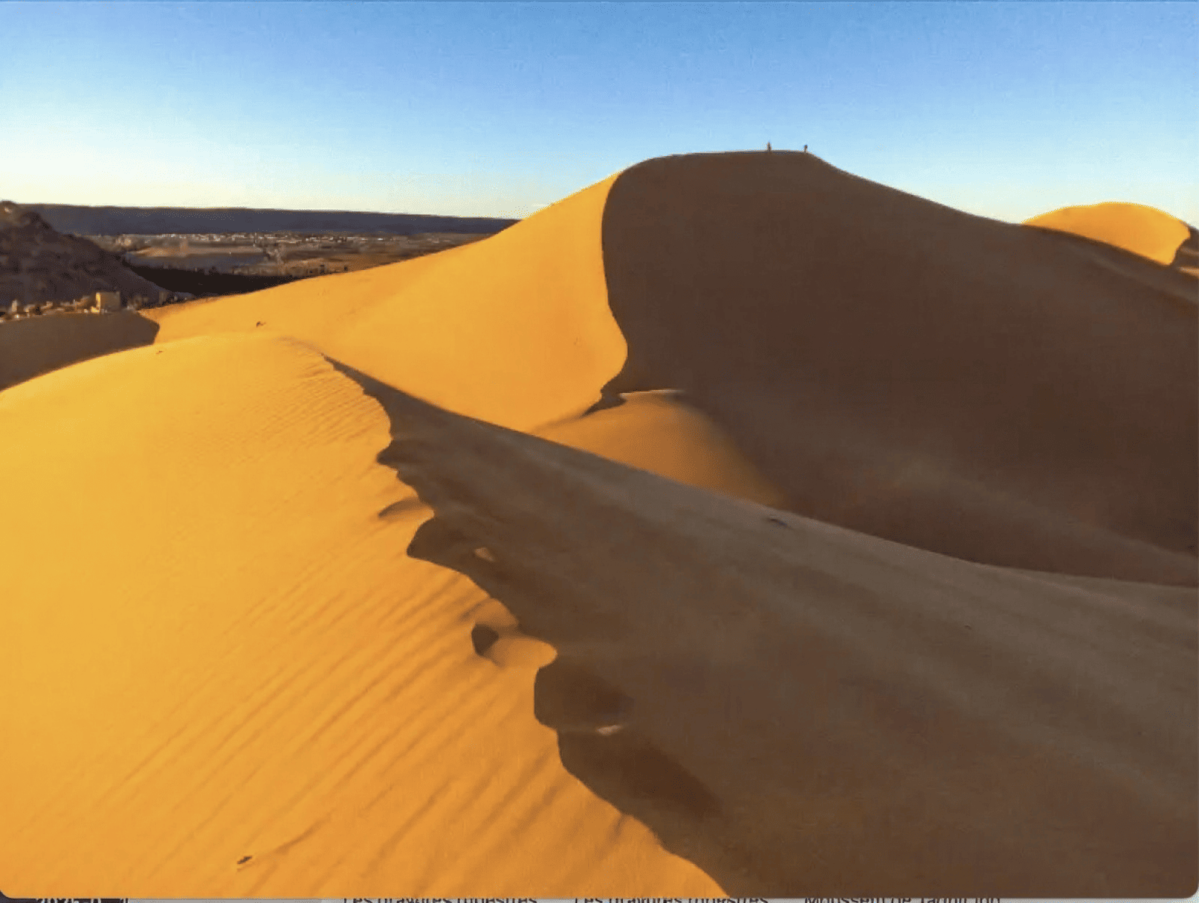
This is Taghit’s most iconic attraction. Right outside the oasis stands the Great Dune, considered one of the tallest sand dunes in the world at nearly 190 meters high.
Climbing it is physically demanding, but absolutely worth the effort. From the summit, visitors are rewarded with breathtaking panoramic views: an endless sea of golden dunes on one side and the vibrant green ribbon of the oasis below on the other.
Many travelers make the ascent late in the afternoon to catch the sunset, when the sands turn shades of orange, pink, and gold. The descent can be just as exciting — Taghit is known for sandboarding, and local guides often organize beginner-friendly sessions on the dune’s slopes.
Afterward, many excursions end with a traditional homemade dinner hosted by local families, a memorable way to experience Saharan hospitality.
Tip: Bring plenty of water and proper footwear, as climbing the dune under the desert sun can be exhausting.
2 — The Old Ksar and Historic Oasis
- 11th-century fortified village listed as national heritage
- Adobe and stone architecture, narrow alleys, traditional homes
- Partially restored in 2001 and still inhabited by a few artisans
- One of the region’s most important Saharan heritage sites
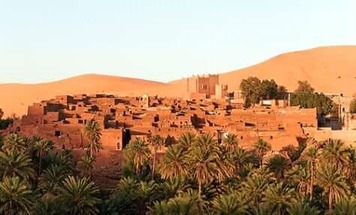
At the heart of Taghit lies the old ksar, an 11th-century fortified village whose earthen architecture reflects centuries of Saharan history. Built on a hilltop, the medieval ksar once functioned as a self-contained fortress with a mosque, a well, and over a hundred tightly packed ochre-colored homes.
Listed as Algerian national heritage since 1999, the site underwent partial restoration in 2001, helping revive parts of the village. Although most residents have left, the ksar remains fascinating to explore. Some restored buildings have been transformed into guesthouses, tea rooms, and artisan workshops showcasing Saharan culture.
Walking through its maze-like alleys, surrounded by adobe walls and carved wooden doors, feels like stepping back in time.
Once home to 37 ksour across the region, only five still survive today, making Taghit’s historic ksar an especially valuable cultural treasure.
3 — Prehistoric Rock Carvings
- Dating back to the Neolithic era (over 5,000 years old)
- Depictions of giraffes, antelopes, elephants, ostriches, and humans
- Main site located at El-Hajra, 18 km south of Taghit
- Protected national heritage site best visited with a guide
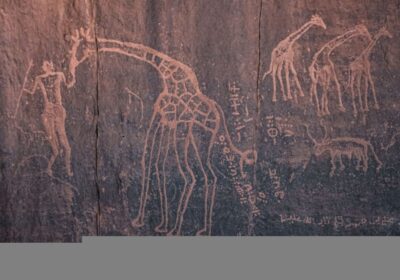
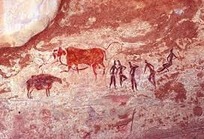
The area surrounding the oasis is home to an extraordinary open-air museum of prehistoric art. Numerous Neolithic rock carvings can still be seen etched into rocky cliffs overlooking the desert.
These petroglyphs reveal a very different Sahara — one that was once inhabited by wildlife and sedentary communities. Visitors can spot detailed engravings of antelopes, gazelles, giraffes, elephants, and ostriches carved directly into the stone.
The main site lies near Zaouia Tahtania (El-Hajra), around 18 kilometers south of Taghit. Freely accessible but extremely fragile, the site is protected as national cultural heritage and also offers exceptional views over the dunes and palm grove.
Practical tip: Visit early in the morning with water, comfortable shoes, and ideally a local guide to better understand the history and significance of the site.
4 — The Guelta: The Oasis’ Hidden Lake
- Small natural lake hidden inside the palm grove
- Activities: kayaking, picnics, birdwatching
- Symbol of life and freshness in the desert
- Perfect relaxing spot during the hottest hours of the day
Hidden in the middle of Taghit’s palm grove lies a small natural lake known as the guelta. Fed by underground water sources, this peaceful body of water creates a refreshing sanctuary in the middle of the desert.
Visitors can enjoy kayaking, relaxing beneath the palm trees, or simply taking in the calm atmosphere of the oasis.
The site is also associated with the Moula-Moula bird, considered in local Saharan traditions a symbol of life and good fortune. According to local beliefs, spotting the bird means water is nearby.
The guelta is one of Taghit’s most peaceful and poetic locations — an ideal place to slow down and reconnect with nature.
5 — Djebel Baroun Viewpoint
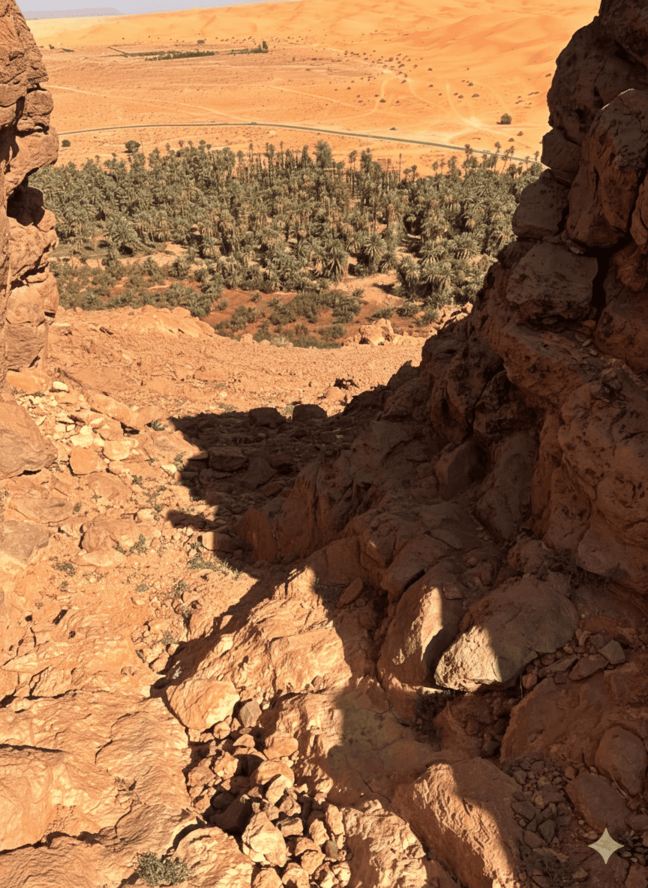
- Spectacular cliff overlooking the oasis and Saoura Valley
- Ruins of the colonial-era Fort de l’Éperon
- One of the best sunset viewpoints in Taghit
- Best accessed with a local guide
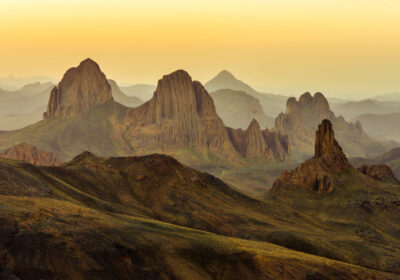
South of the oasis, Djebel Baroun offers the most breathtaking panoramic views in Taghit. This dramatic cliff overlooks the Saoura Valley and reveals a striking contrast between the golden dunes and the lush green oasis below.
At the summit stand the ruins of Fort de l’Éperon, a former French military outpost nicknamed Dar Etiara (“House of the Airplane”) because helicopters once landed there.
The site can be reached on foot or by 4×4 with a guide. At sunset, the desert’s golden and ochre tones become truly unforgettable.
6 — Culture and Local Experiences in Taghit
- Zenete and Tuareg cultural influences
- Local crafts, music, dance, and Saharan cuisine
- Cultural festivals including One Beat Sahara
- International recognition for Taghit’s tourism potential
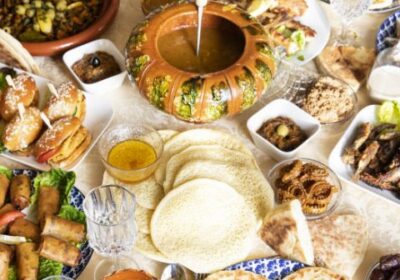
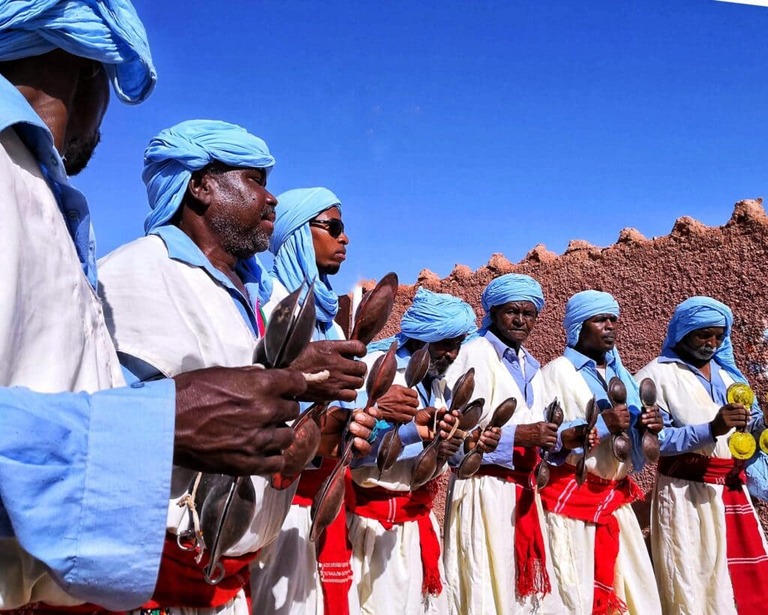
Taghit’s soul lies in its people. Music, craftsmanship, hospitality, and desert traditions are deeply woven into daily life. Visitors are often welcomed with mint tea or invited to share a meal beneath the palm trees.
Every winter and spring, the town comes alive with cultural festivals and traditional celebrations. In 2022, the One Beat Sahara festival brought together international artists and highlighted Taghit’s growing cultural importance.
Public figures such as Elizabeth Moore Aubin and Taleb Rifai have praised Taghit’s beauty and unique tourism potential, describing it as a “fairytale jewel of the Sahara.”
Practical Information for Visiting Taghit
⚠️ High Season in Taghit ⚠️
Every year between October and December, Taghit experiences a major influx of visitors thanks to its ideal desert climate. Despite its growing popularity, the oasis remains a relatively small destination with limited accommodation capacity.
Hotels and guesthouses are often fully booked weeks — sometimes months — in advance, and flights to Béchar, the main gateway to Taghit, sell out quickly as well.
If you plan to visit during this peak period, booking your trip several months ahead is essential to secure accommodation and enjoy a stress-free stay in one of the Sahara’s most sought-after destinations.
How to Get to Taghit
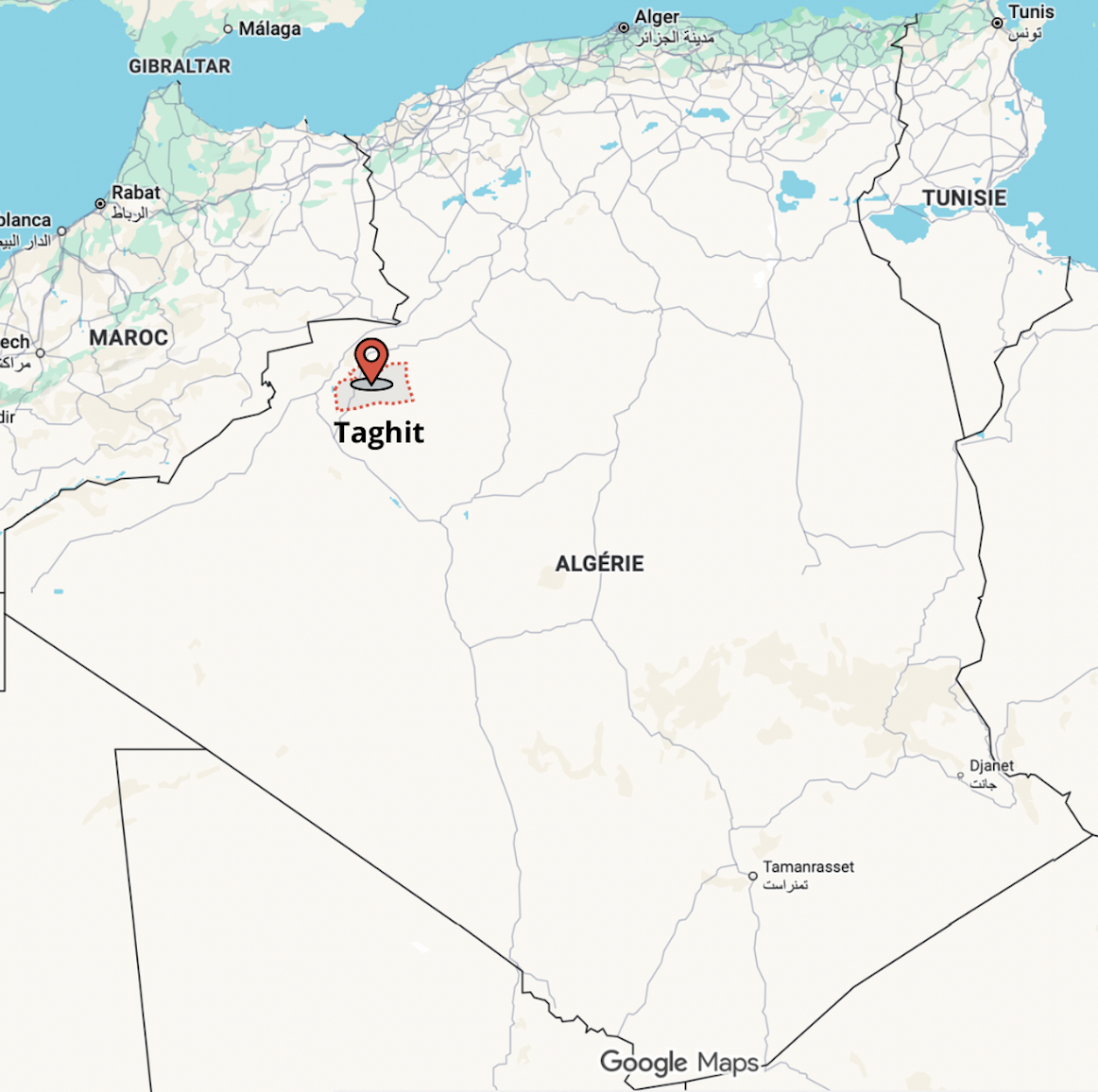
- Around 950 km southwest of Algiers
- Domestic flight to Béchar followed by a 95 km drive
- Long-distance buses from Algiers (15–16 hours)
- Fully paved roads suitable for all vehicles
Taghit is located roughly 950 kilometers southwest of Algiers. The fastest option is to take a domestic flight to Béchar Airport (Boudghène Ben Ali Lotfi Airport), then continue by taxi or rental car for the remaining 95 kilometers.
Travelers can also reach Taghit overland. Long-distance buses connect Algiers to Béchar in approximately 15 to 16 hours, with onward transport to the oasis.
Driving from northern Algeria generally requires two days, ideally with an overnight stop in El Bayadh or Laghouat. Roads are overall in good condition and fully paved all the way to Taghit.
When to Visit Taghit
- Best period: October to March (15–25°C / 59–77°F)
- Avoid: June to August (temperatures up to 45°C / 113°F)
- Peak tourist season: December–January and March
- Quieter months: November and February
The best time to visit Taghit is from October or November through March, when sunny days remain pleasantly warm and nights are cool.
Summer should generally be avoided, as temperatures frequently exceed 45°C, making desert exploration extremely challenging.
Peak tourist periods coincide with year-end holidays and spring vacations. Travelers looking for a quieter experience should consider November or February, when the light is softer and the sites feel almost deserted.
Taghit’s Climate
- Extremely dry desert climate with major day-night temperature variations
- Winter averages: 25°C during the day, 5°C at night
- Clear skies ideal for stargazing
- Very little rainfall, mostly between November and February
Taghit enjoys a classic Saharan desert climate with very low humidity and dramatic temperature differences between day and night.
Even during winter, daytime temperatures can reach 25°C while nights become surprisingly cold. Warm clothing is therefore essential for evenings.
The region’s consistently clear skies also make it one of Algeria’s best locations for astronomy and stargazing, thanks to the complete absence of light pollution.
Rainfall is extremely rare and usually limited to short periods between November and February.
Accommodation in Taghit
- Small hotels and traditional Saharan guesthouses
- Adobe architecture, shaded patios, and local décor
- Booking essential during peak season
- Options include stays inside the ksar or desert bivouacs
Despite its remote location, Taghit offers several charming accommodation options. Most visitors stay in family-run guesthouses built in traditional adobe style, featuring shaded courtyards and handcrafted decoration.
Availability remains limited, especially during holidays and high season, making early booking highly recommended.
For a more authentic experience, some guesthouses allow travelers to stay inside or near the old ksar alongside local families.
Another increasingly popular option is overnight desert bivouacking at the foot of the dunes. These experiences usually include nomadic tents, traditional campfire meals, and music beneath the stars.
What to Pack for Taghit
- Essentials: sunglasses, hat, sunscreen, scarf or cheche
- Lightweight but protective clothing recommended
- Durable shoes for sand and rocky terrain
- Camera strongly recommended for landscapes and night skies
Desert essentials include sunglasses, sunscreen, a hat, and lightweight clothing that still protects against sun exposure.
Good walking shoes are important for hiking across dunes and rocky terrain, while a scarf or cheche is especially useful against desert wind and blowing sand.
A small backpack is also practical for carrying water and snacks during excursions.
And of course, don’t forget your camera. From the endless dune landscapes to everyday life inside the oasis and the spectacular star-filled skies, Taghit offers some of the most photogenic scenery in all of Algeria.
Final Thoughts
Visiting Taghit means diving deep into the heart of the Sahara for an experience that feels both exotic and deeply authentic. Between climbing giant dunes, wandering through peaceful palm groves, exploring ancient ksour, and discovering prehistoric rock art, Taghit captures the very essence of the desert.
This jewel of southern Algeria enchants travelers with its unique balance of nature, history, and local hospitality. Time seems to slow down here, the colors constantly shift with the light, and every encounter tells a story.
With Algeria Explorer, experience Taghit differently: share mint tea beneath the palm trees, watch the sunset from the Great Dune, and discover the magic of the Sahara through unforgettable tailor-made journeys into the “Enchantress of the Desert.”