Last updated: 2026. Bring cash in dinars — ATMs are rare in Timimoun.
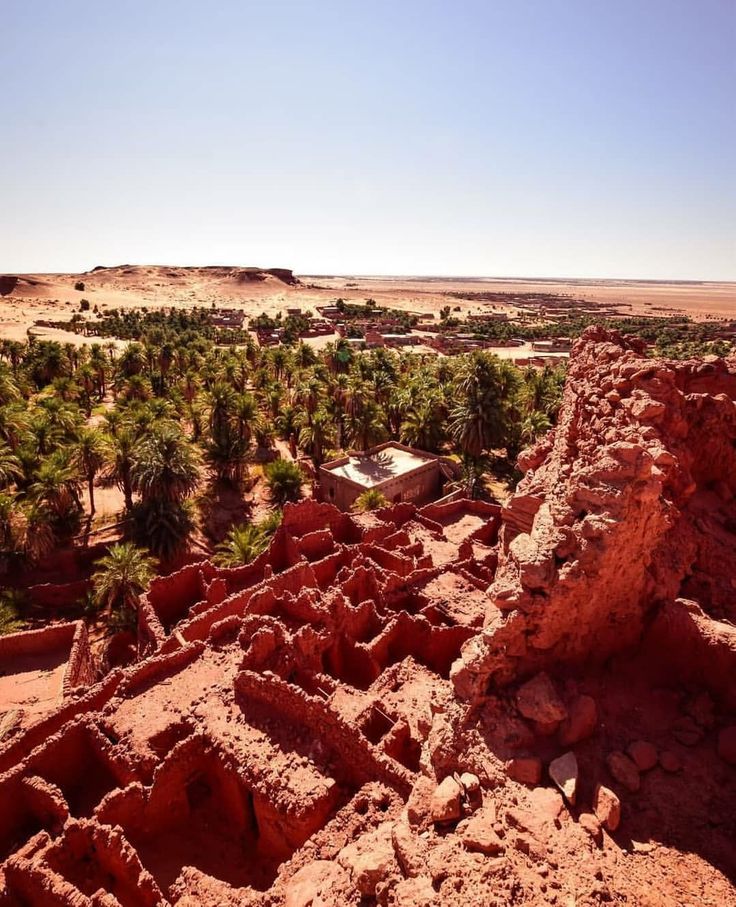
Nicknamed “la Flamboyante” or “the Red Oasis”, Timimoun is one of the most enchanting destinations in the Algerian Sahara, approximately 1,200 km south-west of Algiers. It looks out over a white, shimmering sebkha ringed by palm groves, with the glowing red dunes of the Grand Erg Occidental stretching to the horizon. Red pisé architecture, ancestral ksour, palm groves irrigated by millennial foggaras, camel trekking: Timimoun, Algeria is an invitation to absolute escape.
Table of Contents
Must-See Sites in Timimoun
The Ighrizer Cave — The Oasis’s First Wonder
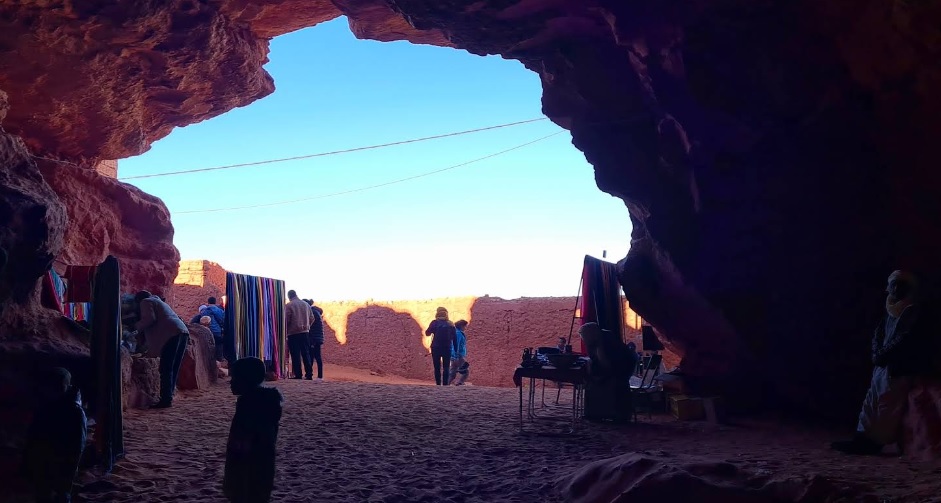
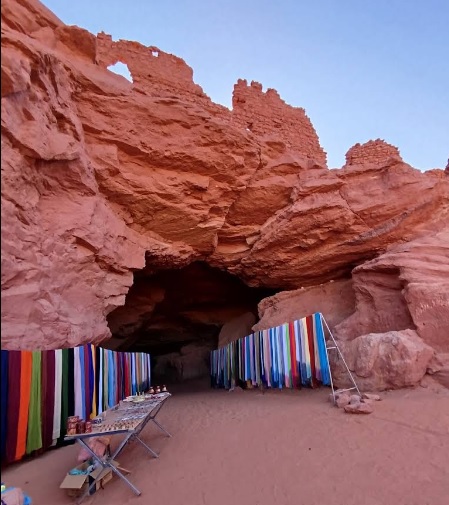
Your first stop in Timimoun takes you to the Ouled Saïd oasis and the Ighrizer cave. From a distance, it draws the eye with its shape and its enormous entrance carved into the soft local sandstone (tafza). The cave burrows 80 metres into the hillside: 8 metres wide and 7 metres high at the entrance, it narrows into a tunnel as you go deeper.
- Why visit: cool in summer, mild in winter, it has been a natural refuge for centuries — and one of the most photogenic sites in the Gourara.
- Good to know: craft exhibitions are held at the entrance during the end-of-year festivities.
- Tip: combine the visit with the nearby ksar d’Ighrizer.
The Ksour: Earth Fortresses Through the Centuries
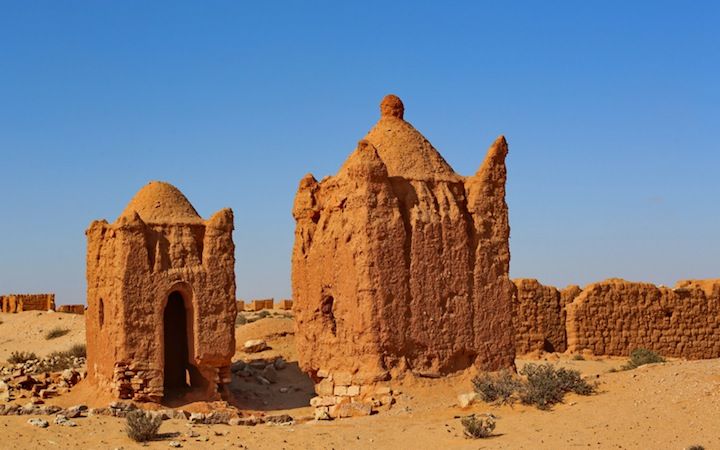
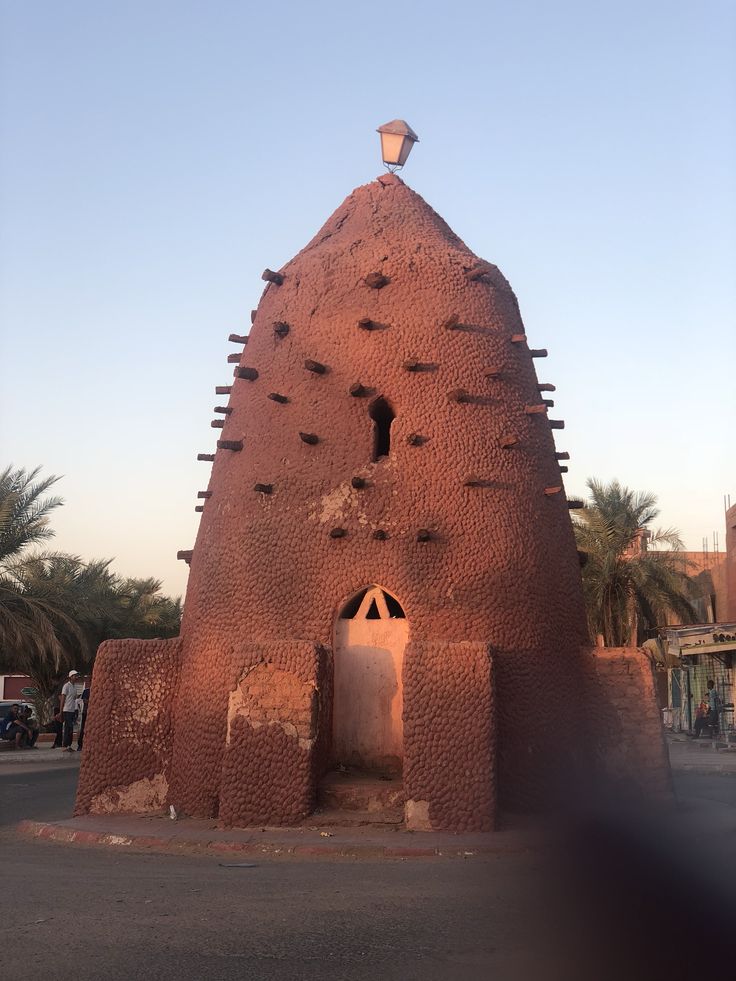
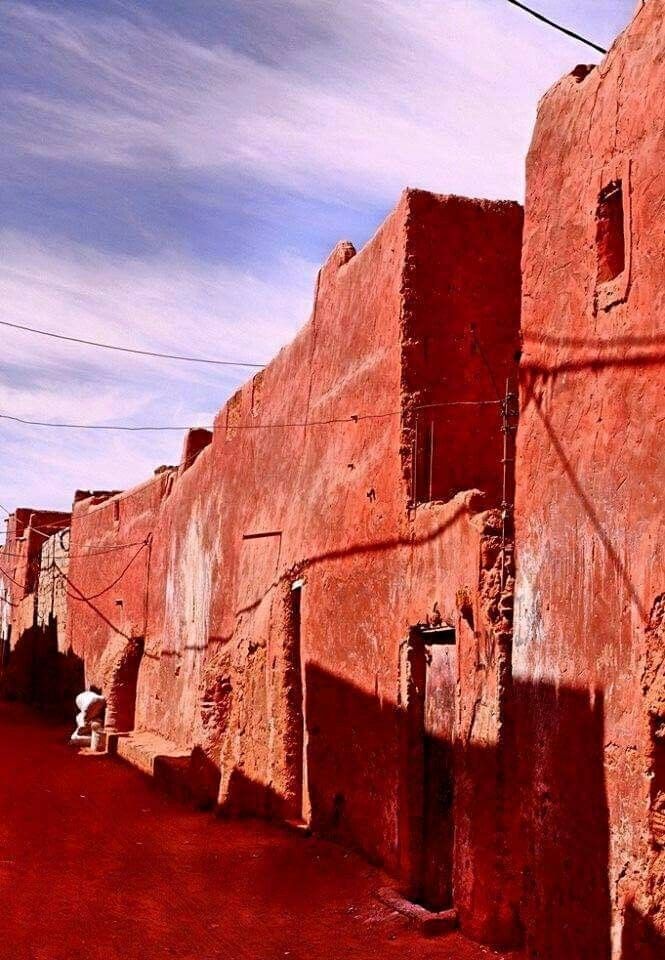
Wandering through the old ksour, you discover a fascinating architecture built to withstand desert winds and crushing heat — narrow shaded alleyways, geometric forms in relief, thick red pisé walls. The locals recount legends of desert spirits, vanished caravans and salt merchants who made their way up from the Erg.
The ksour not to miss around Timimoun:
Ksar d’Ighrizer: founded in the 15th century by Sidi Mansour on a rocky spur overlooking the palm grove — an architectural treasure in red pisé.
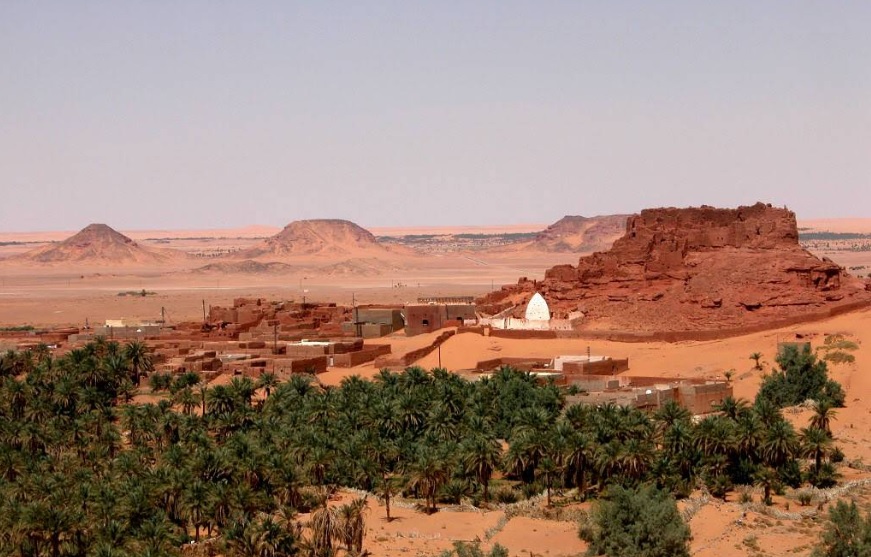
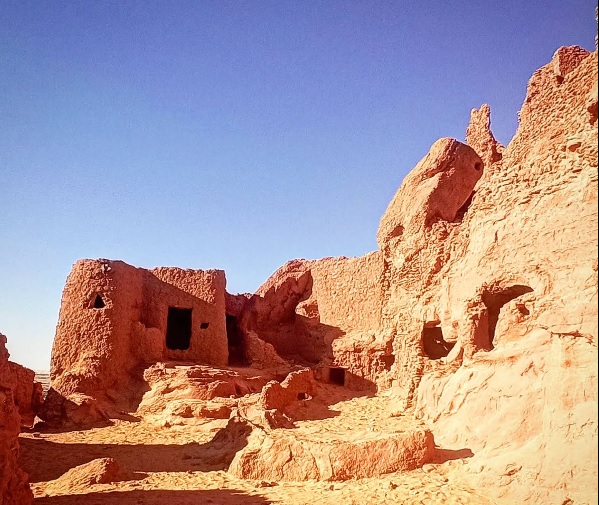
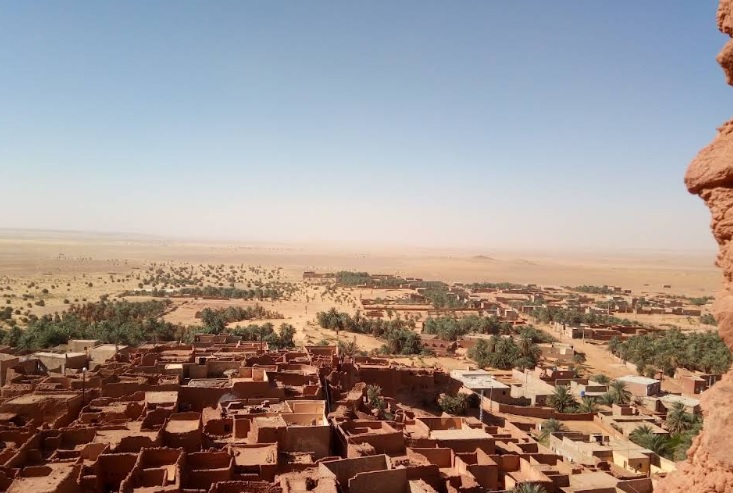
Ksar Draa: partially buried by the dunes, classified among the Gourara’s “buried mysteries”.
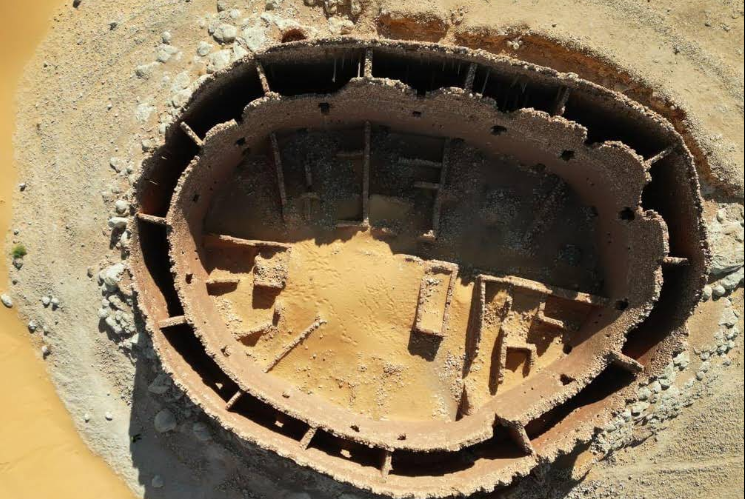
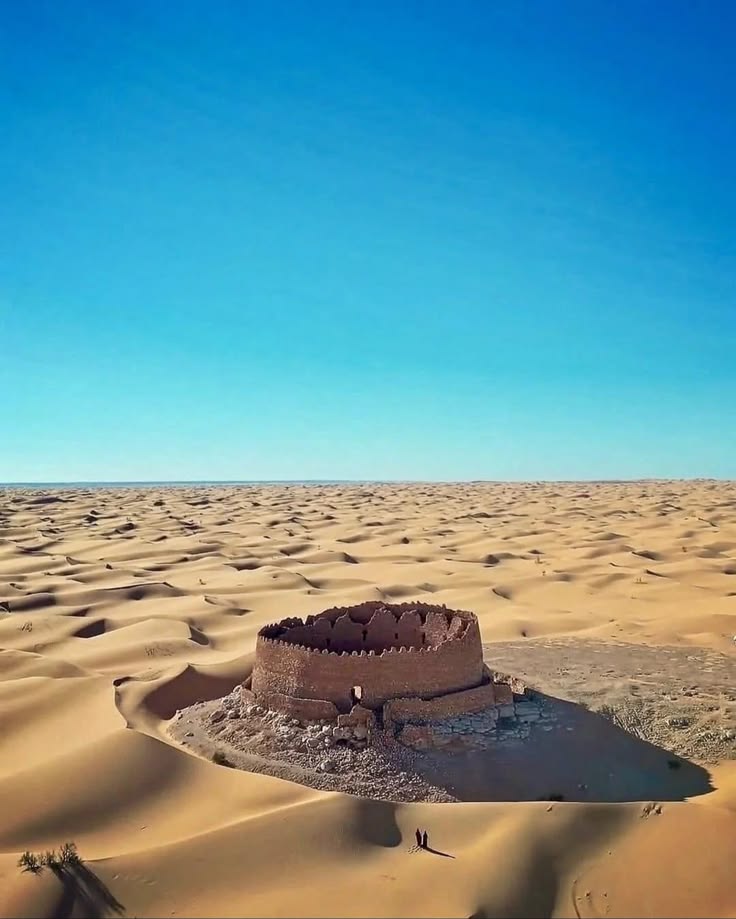
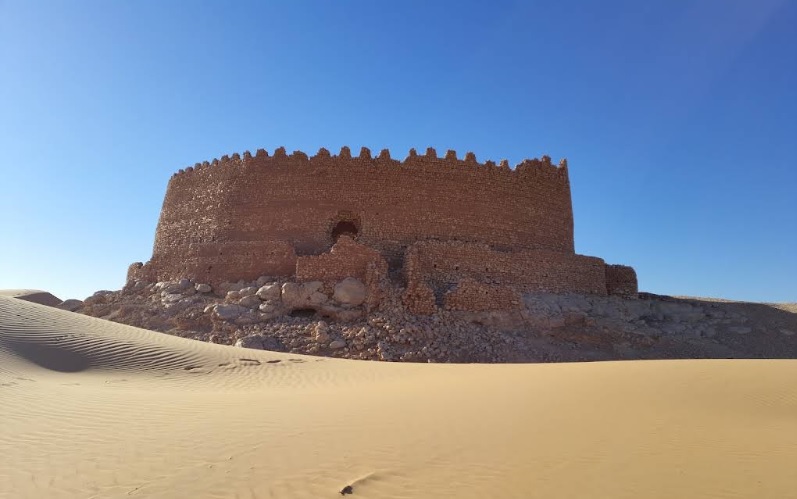
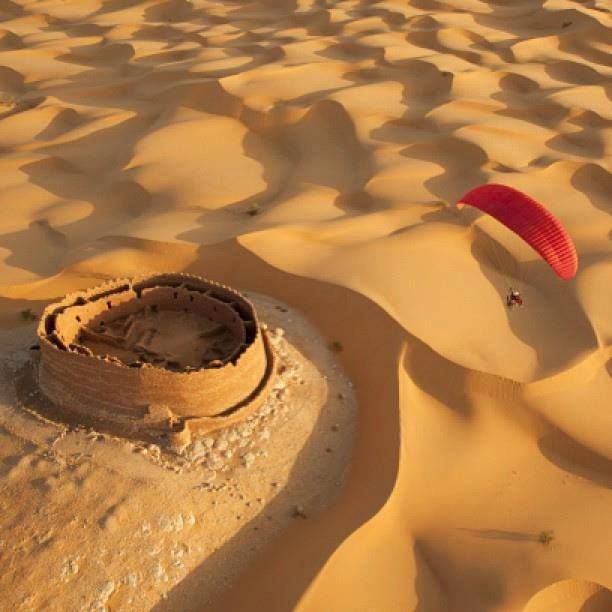
Ksar Faoun: set within the palm grove, offering remarkable panoramic views over the oasis.
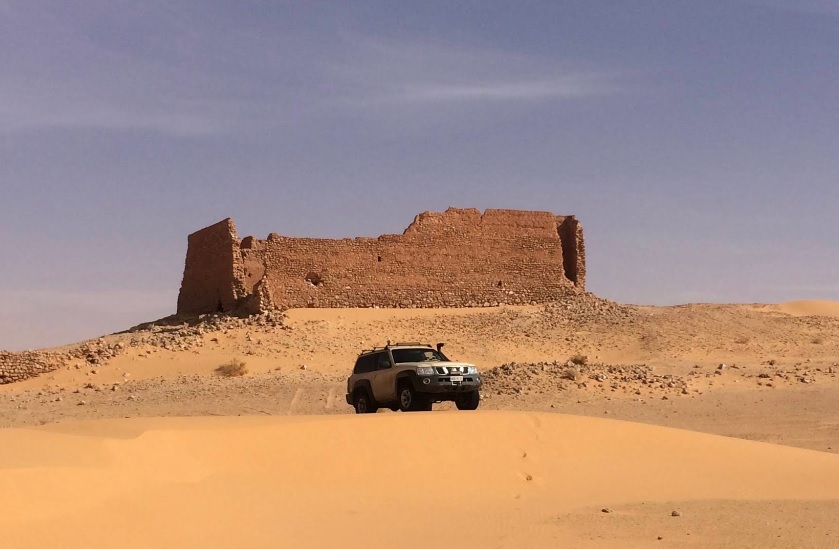
Fort of Tinerkouk (El Bordj): built in 1957 on a rocky pinnacle at 379 m above sea level, it commands a sea of sand dotted with small oases and cliffs reminiscent of the Petit Tassili.
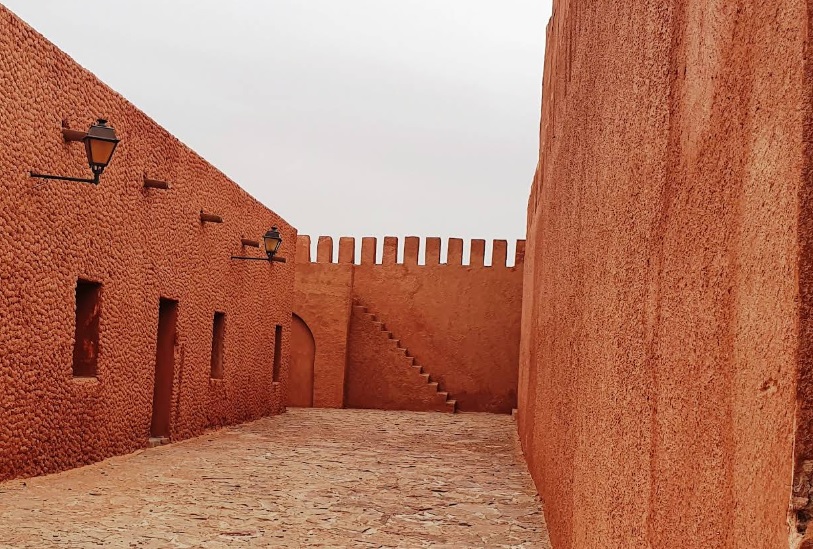
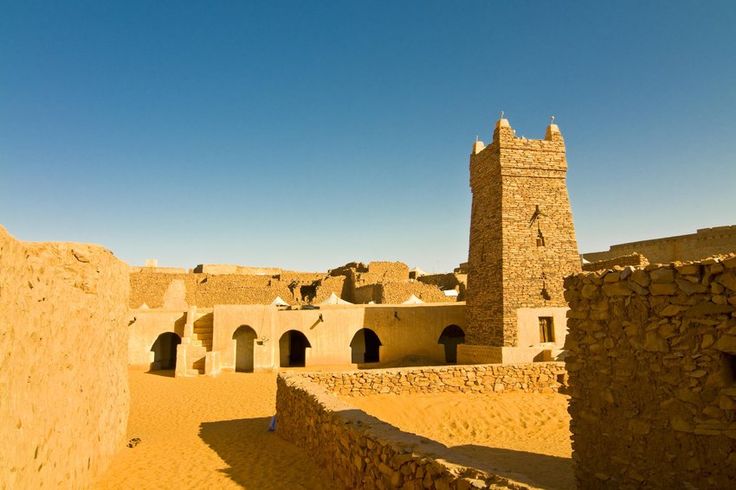
The Gourara Oases region has been on the UNESCO Indicative List since 2002 for its ksour and traditional hydraulic systems.
The Palm Groves and the Sebkha
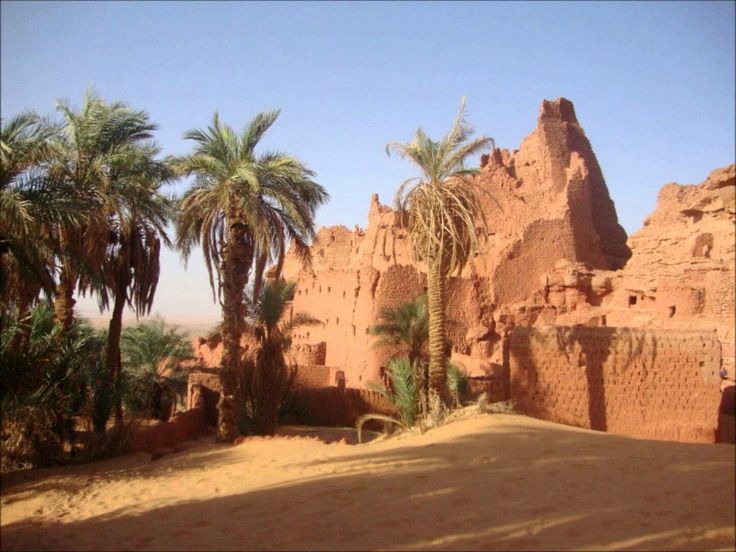
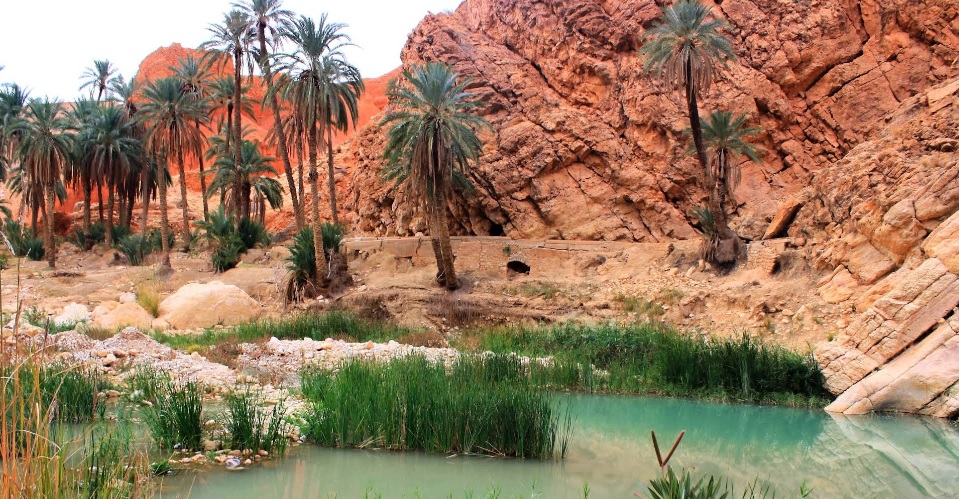
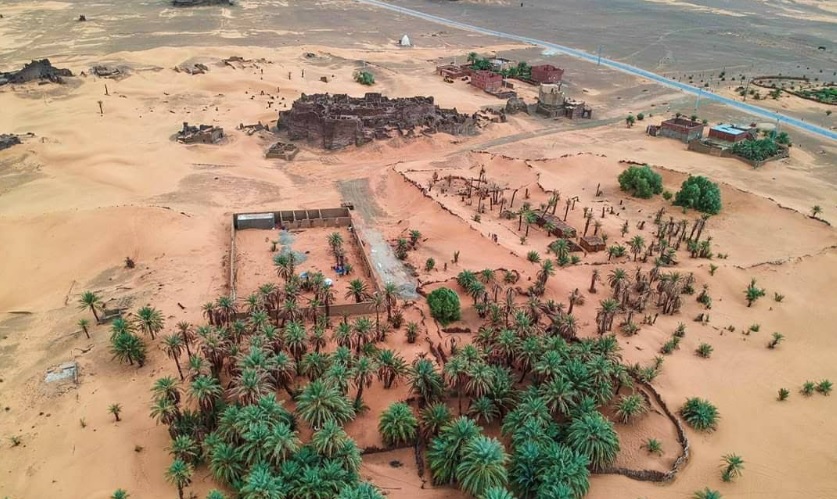
Timimoun’s palm groves hum with life: children’s voices, women drawing precious water from the foggaras, the cool shade of date palms. They encircle the town in a ring of dark green facing the sebkha — a dried-out ancient lake whose white, shimmering surface forms a striking natural boundary between the oasis and the Grand Erg.
Rare date varieties are grown here — El H’mira and Tinasser — sold directly by producers in season.
What to Do in Timimoun
Camel Trekking (Méharée) and the Salt Road
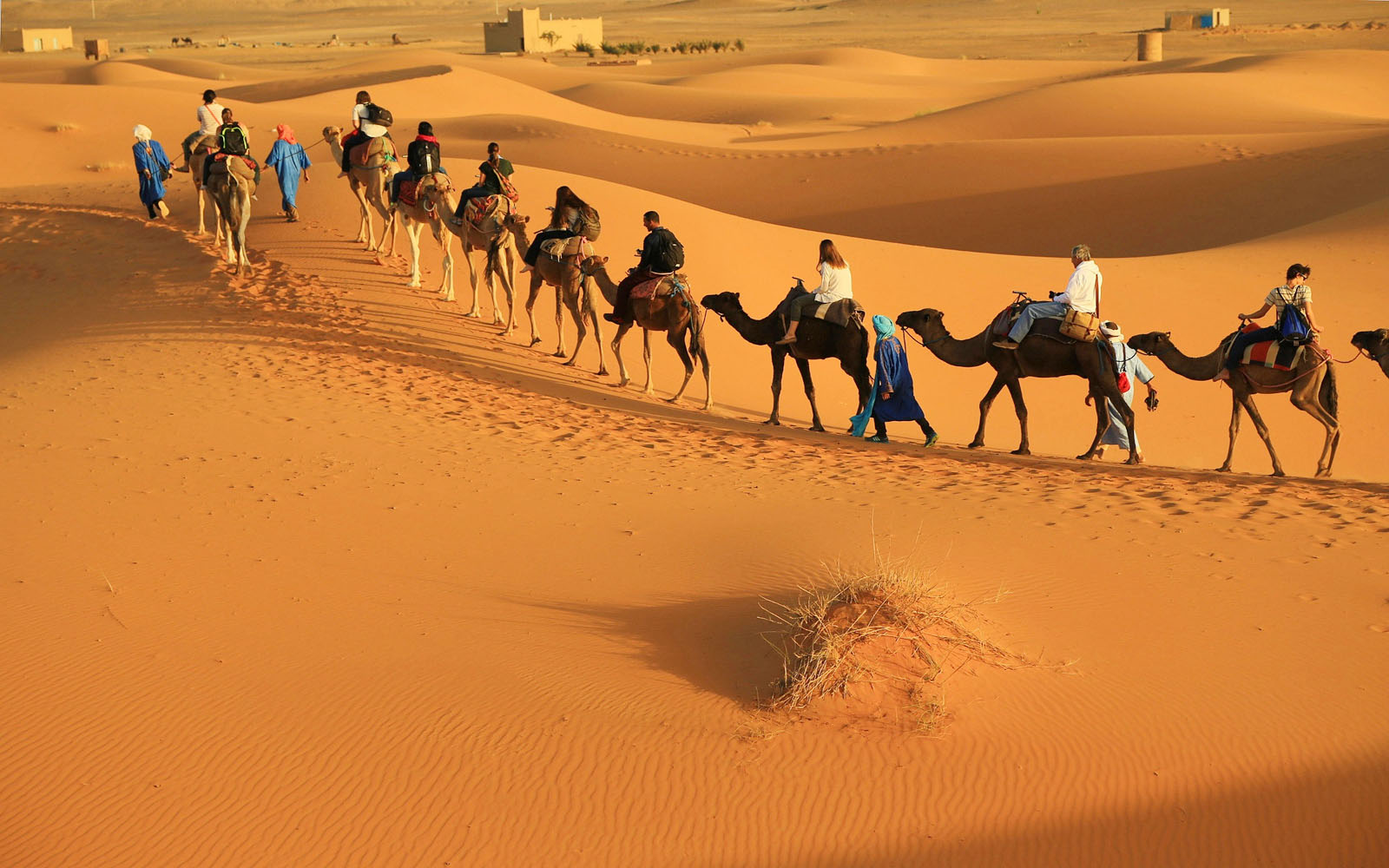
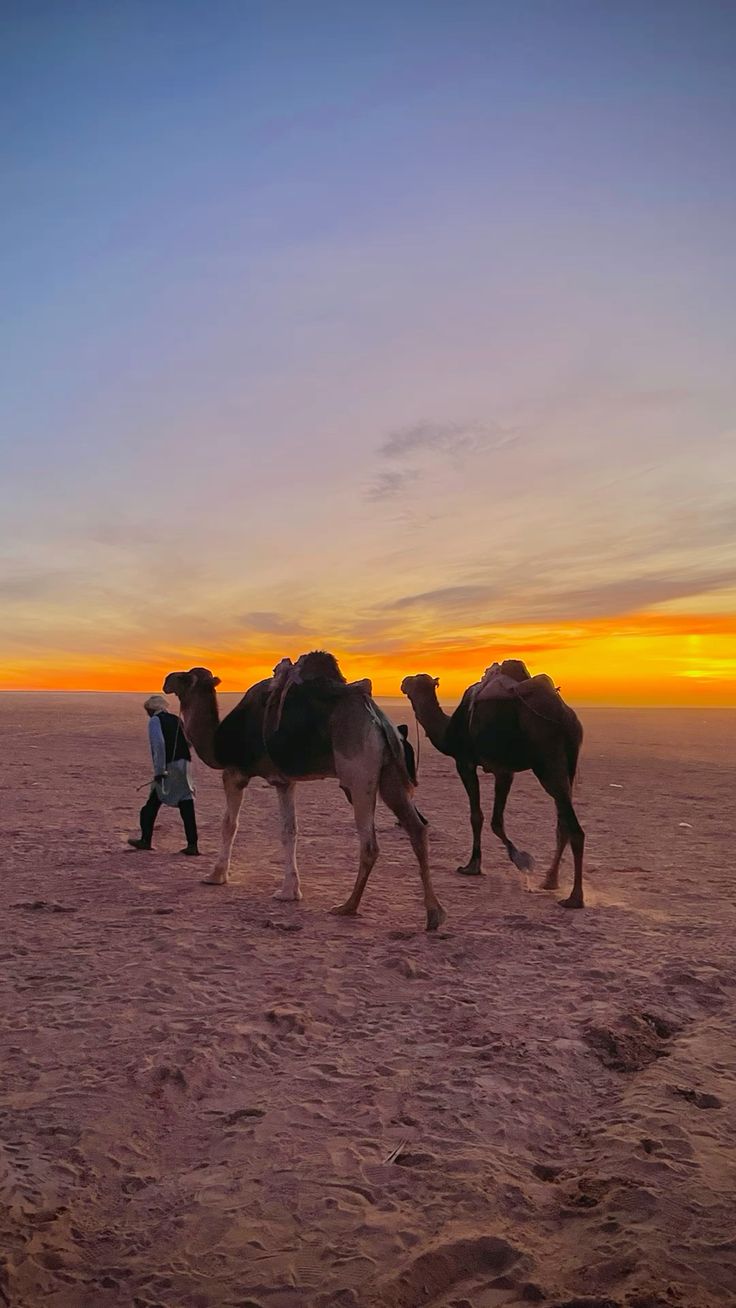
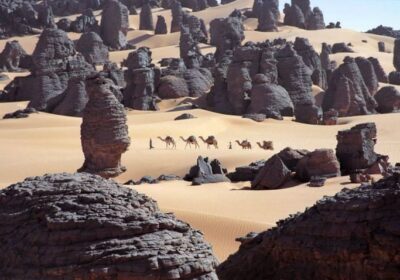
Timimoun’s flagship activity is the camel trek — méharée — across the endless dunes of the Grand Erg Occidental. A journey out of time, along the same trails that salt caravaneers once followed.
The ancient salt road is a highly popular circuit: it combines spectacular landscapes, historical sites such as the Ighrizer cave and stops in the palm grove. It captures the Gouraris’ unceasing struggle against the advancing dunes.
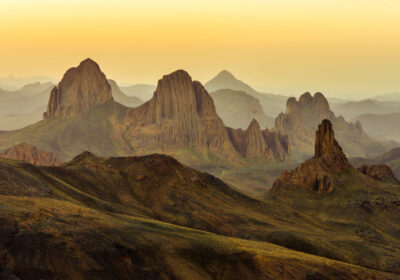
The region also has rare geological diversity: cliffs, rock formations, buried oases — ideal terrain for trekking.
Exploring the Foggaras
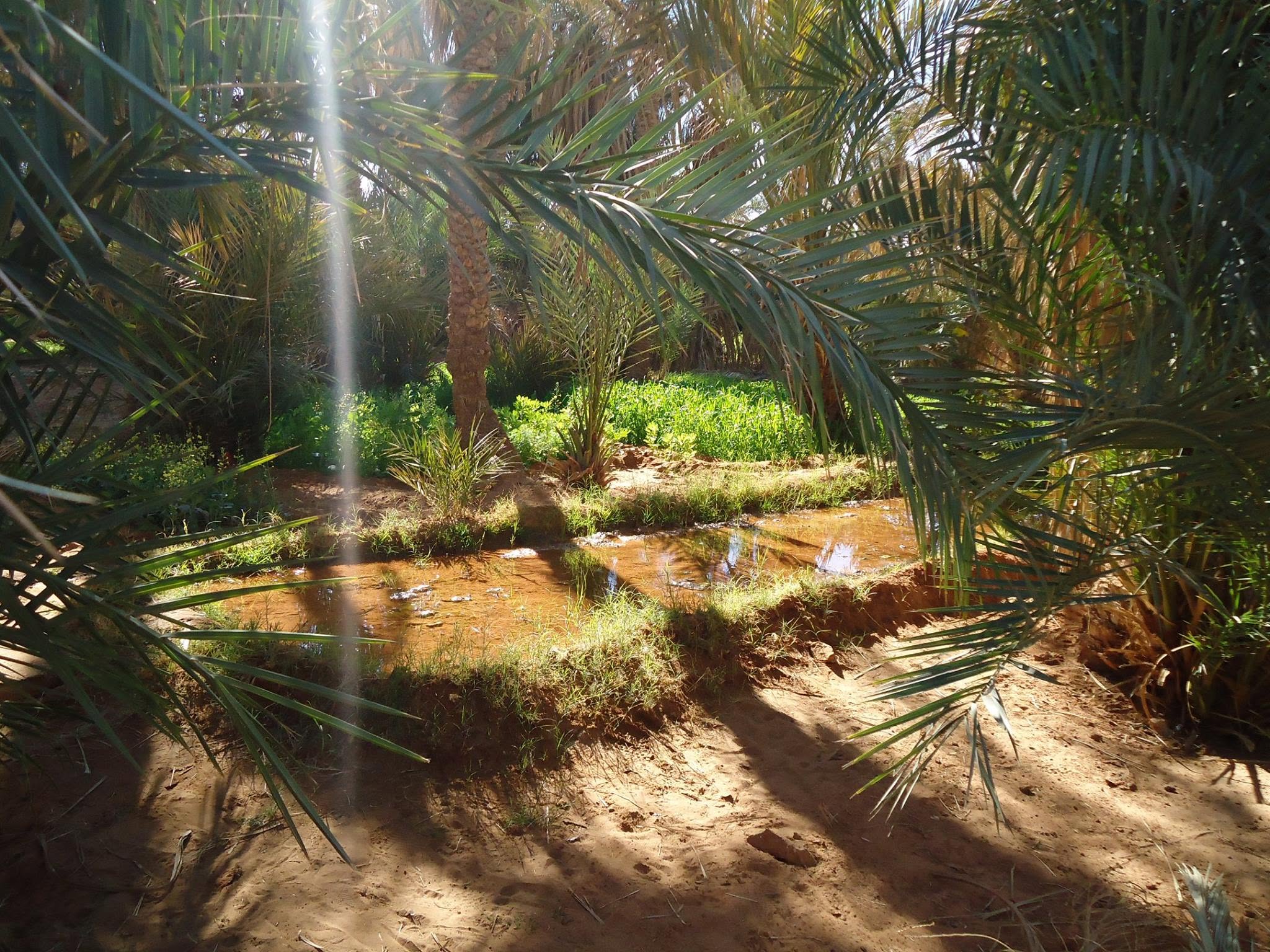
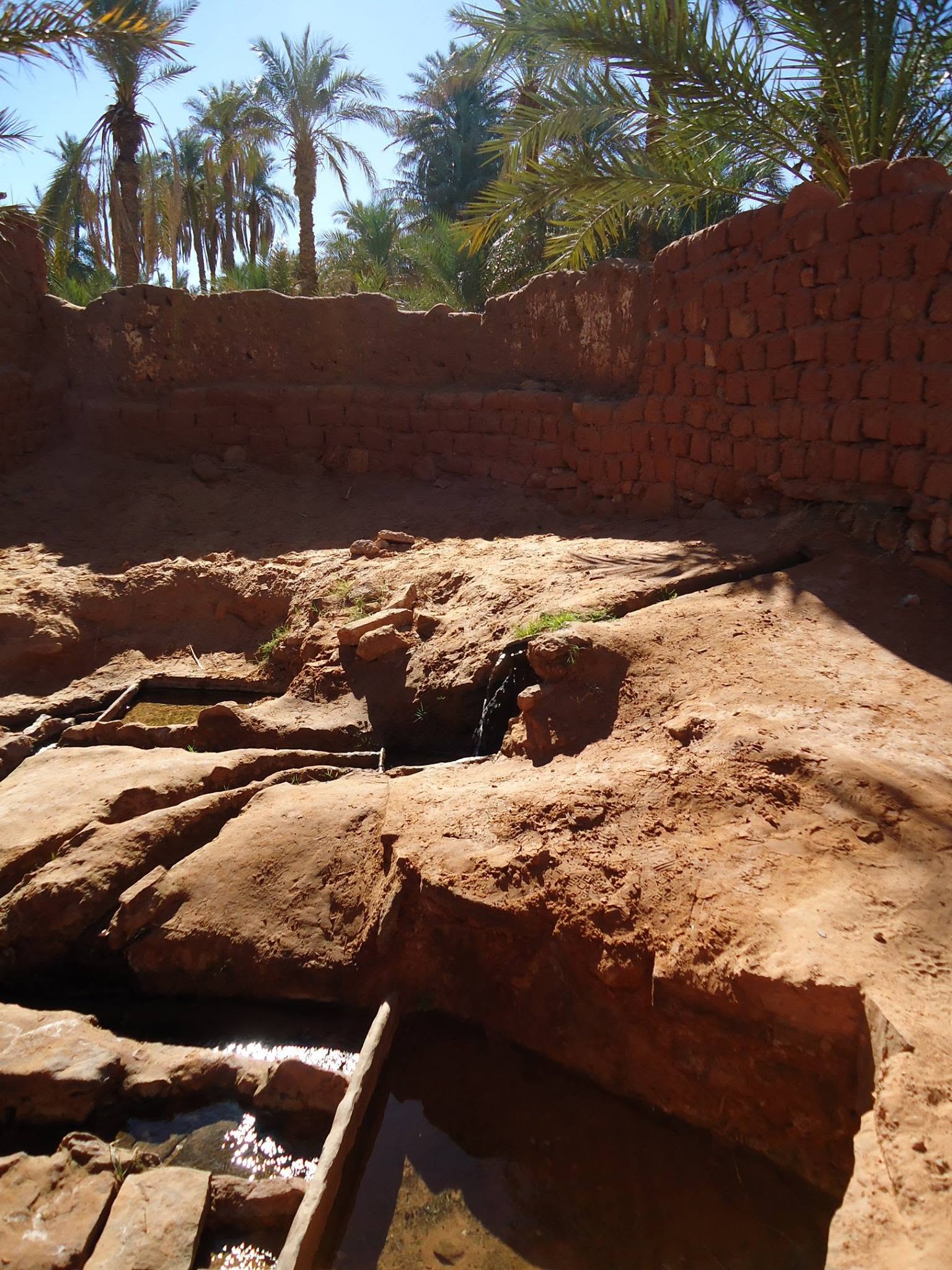
Visiting a working foggara is one of the most memorable experiences of the stay. These ancestral underground channels — some up to 10 to 15 km long — have been carrying water from the water table to the palm groves for over nine centuries. With a guide, you come to understand how the network of séguias (channels) and distributors divides the water equitably between families. Millennial ingenuity recognised by UNESCO in 2018.
Markets and Crafts
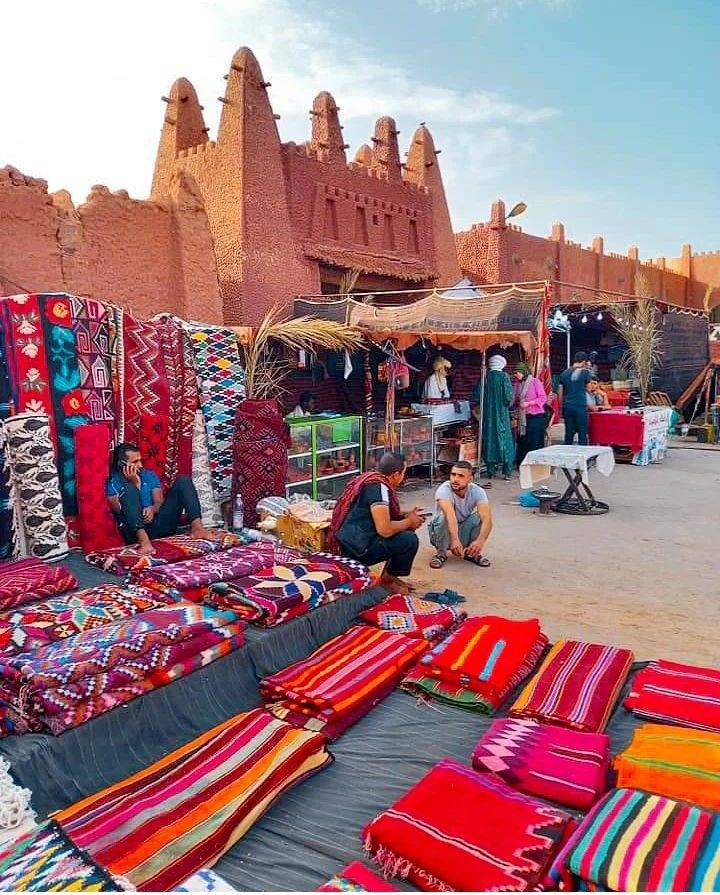
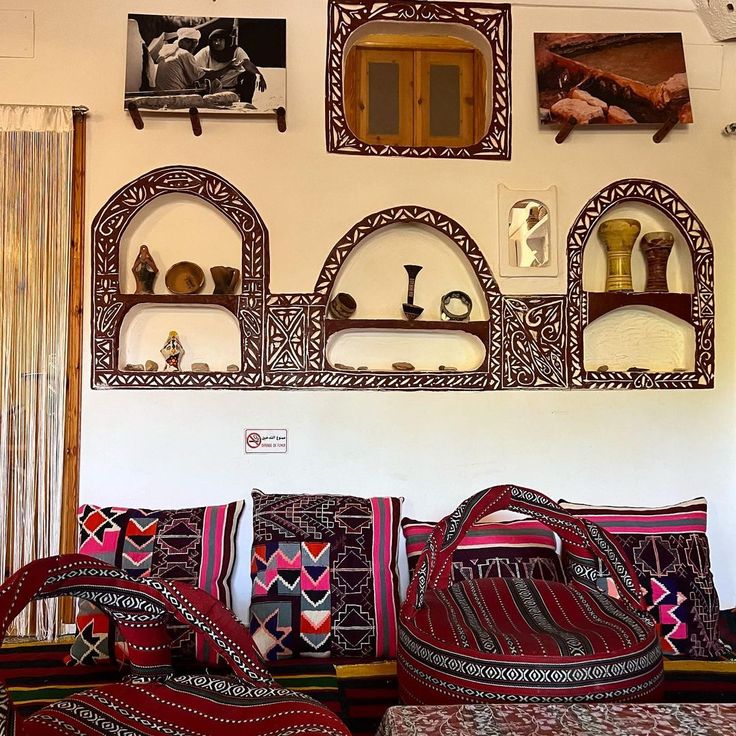
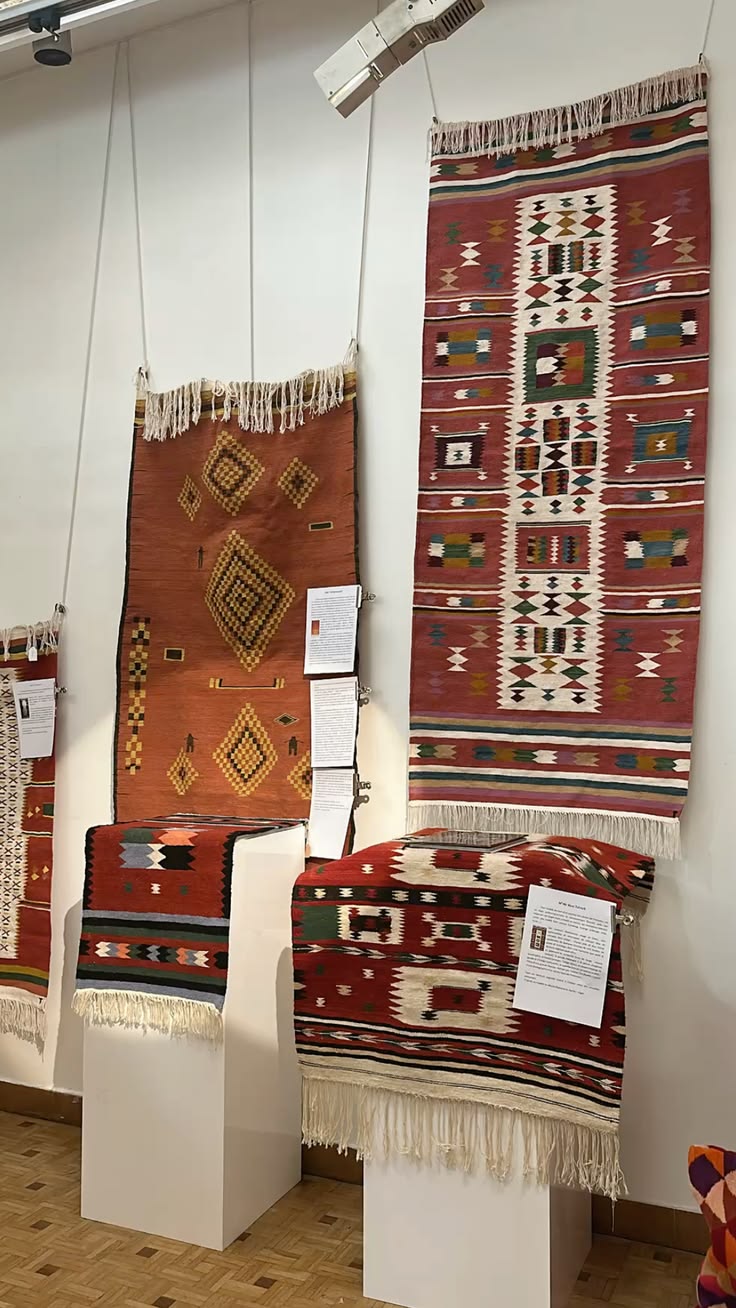
Timimoun’s markets overflow with rugs woven by women, Berber jewellery, basketwork and spices. The region’s craft products are among the most authentic in the Algerian Sahara — a wonderful opportunity to bring back a souvenir with a story.
The International Saharan Tourism Festival
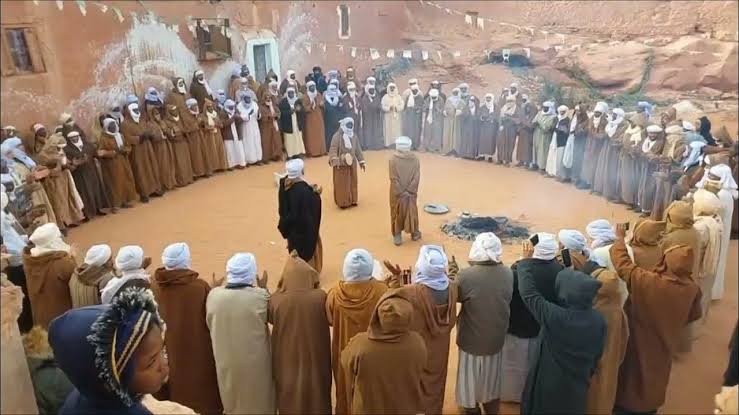
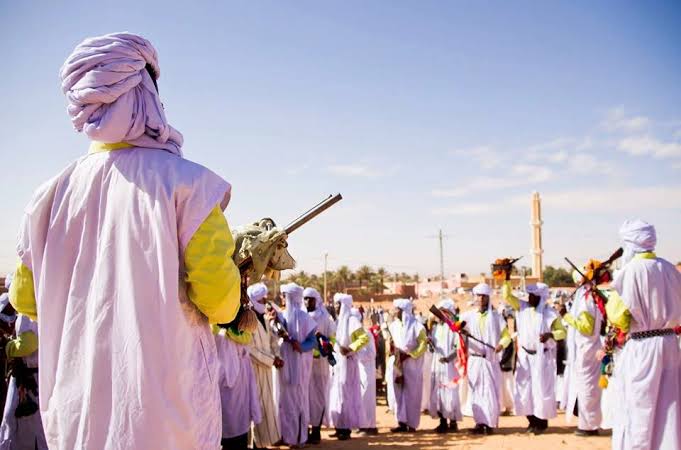
Organised in Timimoun, this festival is one of the major tourism events of the Algerian Sahara. It draws visitors from around the world with a programme combining folklore shows, craft exhibitions, trekking and heritage discovery.
Welcome and Saharan Gastronomy
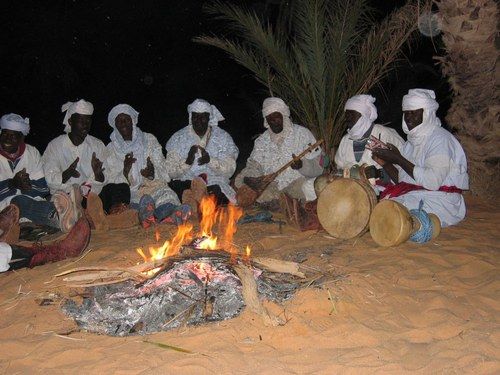
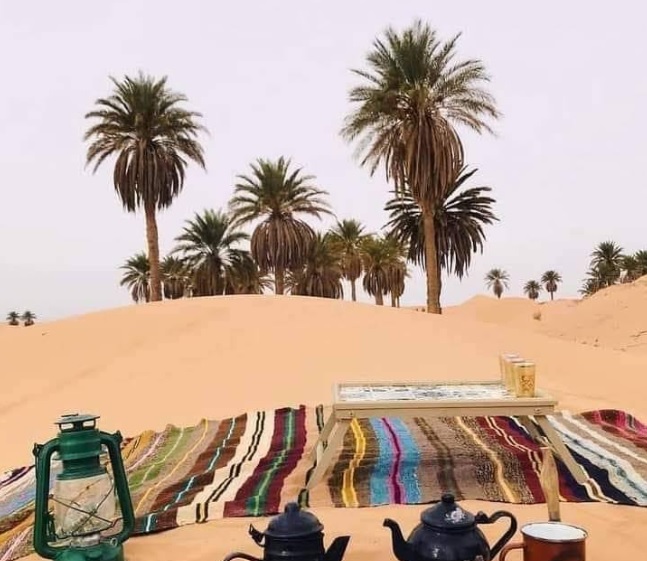
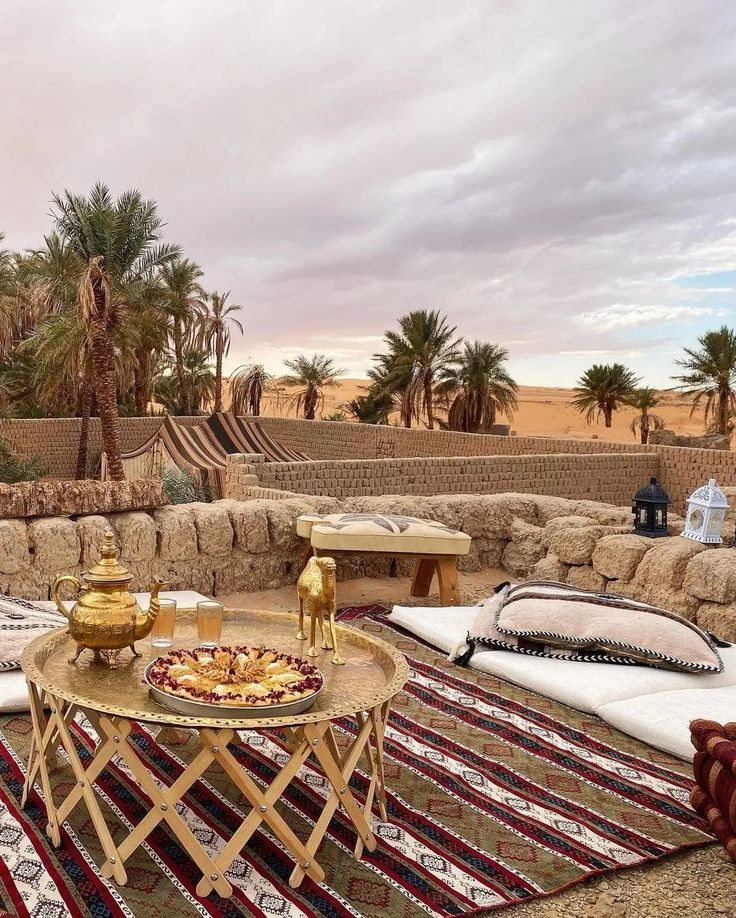
Timimoun is a city of hospitality, tolerance and openness. The welcome ritual takes the form of an offering of milk and dates on arrival. The three-tea ceremony follows: drunk hot, in small sips, from glasses — the first bitter as life, the second sweet as love, the third light as death.
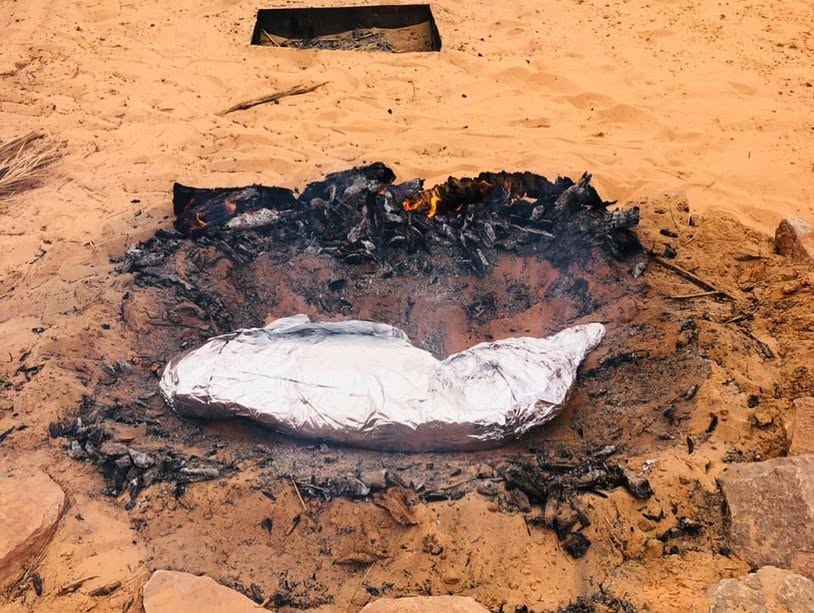
The Gourara’s cuisine is rooted in Saharan terroir products: fresh dates, semolina flatbreads (tagella baked in warm sand), camel or lamb-based dishes, soups fragrant with desert herbs.
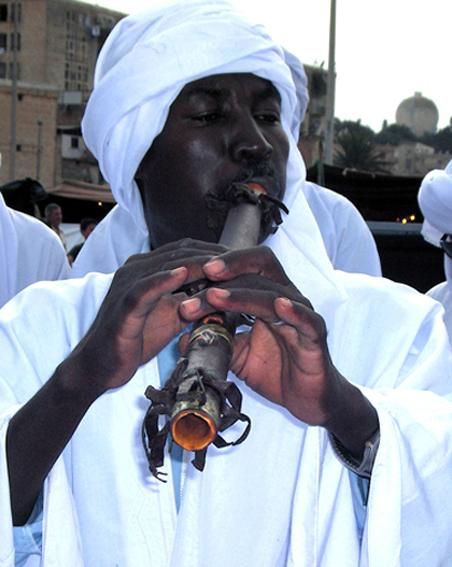
Timimoun preserves a rare cultural and intangible heritage: the UNESCO-listed Ahellil, the Sboue, the Baroud and the foggaras.
When and How to Visit Timimoun, Algeria
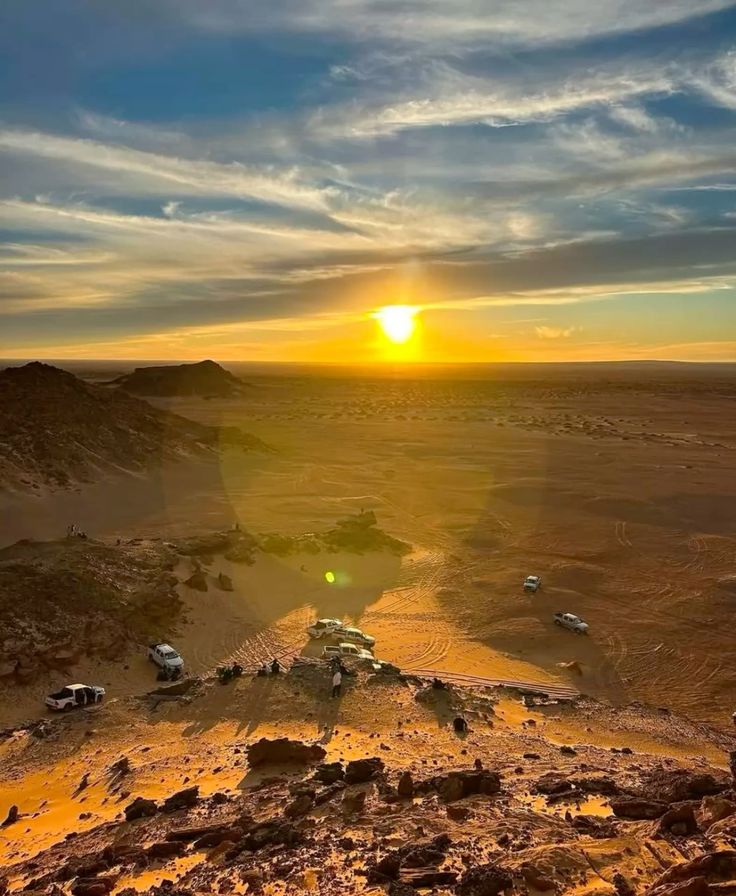
- Best period: November to March — 10 °C at night, 25 °C by day, ideal for walking in the dunes and exploring the ksour. Summer exceeds 45 °C — to be avoided absolutely.
- The Sboue: dates vary according to the Hegira calendar — check before you go; it is the most festive but also the most crowded time.
- By plane: Timimoun Airport (TMX) is served from Algiers, Oran and Constantine. The flight from Algiers takes just over two hours.
- On the ground: a local guide is essential for the foggaras and the ksour route — the tracks are poorly signposted.
- Recommended stay: 3 to 4 days minimum.
- Visa: check the visa requirements for Algeria for your nationality.
Timimoun as Part of an Algerian Sahara Circuit
Timimoun fits naturally into an oasis circuit. Our complete guide to the Algerian Sahara will help you choose. Timimoun can be combined with Béni Abbès and Taghit in our selection of the pearls of the Saoura. Our 4-day Timimoun circuit is designed to cover the essentials. For a tailor-made stay, contact our local team.
FAQ — Visiting Timimoun, Algeria
Why is Timimoun called the Red Oasis?
The red-ochre colour of its houses, arcades and monuments — built from local clay pisé — gives the town a uniquely vivid hue, particularly striking at sunset.
What are the must-see sites in Timimoun?
The Ighrizer cave at the Ouled Saïd oasis, the ksar d’Ighrizer (15th century), the Fort of Tinerkouk, ksar Draa, ksar Faoun, the palm groves and the sebkha.
What activities can you do in Timimoun?
Camel trekking (méharée) in the Grand Erg Occidental, trekking along the salt road, visiting the ksour, exploring the foggaras in the palm grove, discovering local crafts and the International Saharan Tourism Festival.
What is the best time to visit Timimoun?
November to March, with pleasant temperatures between 10 °C at night and 25 °C during the day. Summer exceeds 45 °C and is strongly discouraged for outdoor activities.
How do you get to Timimoun from Algiers?
By plane from Houari Boumédiène Airport to Timimoun Airport (TMX), in just over two hours. Flights are also available from Oran and Constantine.