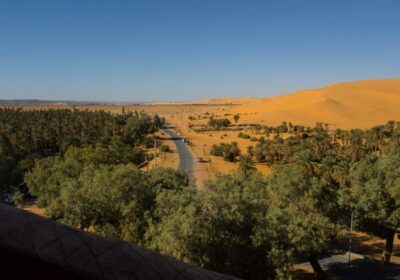
| 📍 Location | Tassili n’Ajjer National Park, near Djanet, southeastern Algeria. Area: 89,342 km². Average altitude: 1,200–1,500 m. |
| ✈️ Access | Direct flight Algiers → Djanet (~2h30). Sefar is only accessible on foot or by donkey from Djanet — 2 days of walking. |
| 📆 Best time | September to April — daytime temperatures between 18°C and 28°C. Summer not recommended (extreme heat, +40°C). |
| ⏱️ Tour duration | 8 days minimum: 2 days walking to reach Sefar, 4 days exploring the site, 2 days return. |
| 🥾 Physical conditions | Good stamina required: 10 to 15 km/day, approximately 3 hours in the morning and 3 hours in the evening. No camels — only donkeys for equipment. |
| 🔒 Mandatory guidance | Licensed guide required + authorization from the National Guard. GPS does not work in this labyrinthine rocky terrain. |
| 🎒 Equipment | Sturdy hiking boots, layered clothing for hot days and cold nights, sleeping bag, headlamp, sufficient water supply. |
| 📋 Visa | Visa on arrival available at Djanet — the local agency handles all administrative formalities. |
At the heart of the Tassili n’Ajjer, two days’ walk from Djanet, lies Sefar — the world’s largest troglodyte city and the most extensive collection of prehistoric rock art ever recorded. Over 30,000 drawings carved into the rock, labyrinthine streets that seem to go on forever, and legends that send a shiver down the spine: Sefar is a journey to the edge of time.
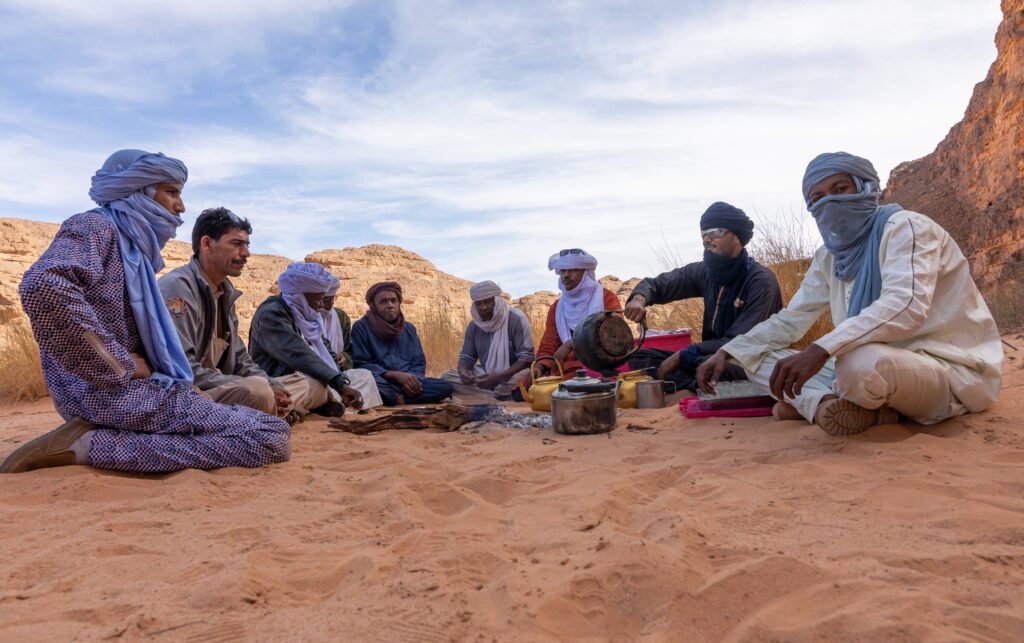
Table of Contents
Sefar Algeria: A Unique Archaeological Treasure
Sefar is best known for its prehistoric rock paintings, listed as a UNESCO World Heritage Site. The site includes:
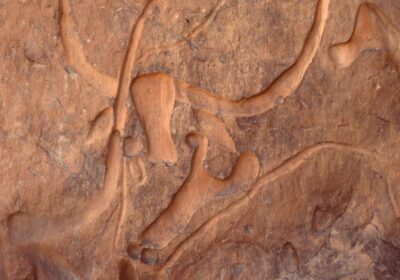
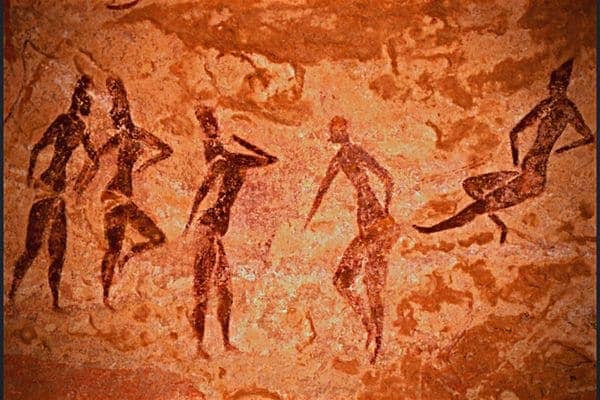
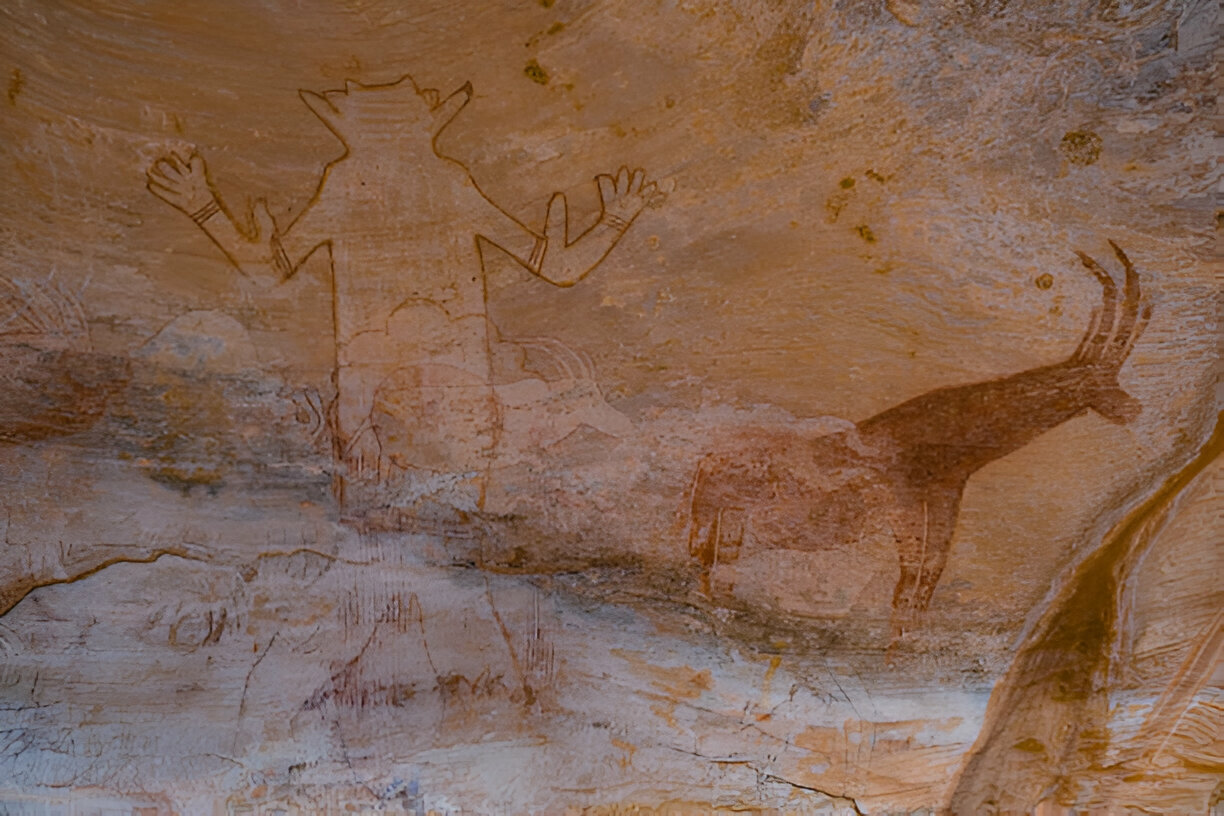
- Around 30,000 drawings and 4,000 painted rocks.
- Depictions of animals that once lived in the Sahara, such as giraffes, antelopes, mouflons, cows, monkeys, and owls.
- Scenes of daily life: dances, celebrations, childbirth, hunting, and clan battles with bows and arrows.
- Human handprints.
- Sketches of tools, weapons (spears, shields), and hunting dogs.
The techniques were rudimentary — pigments from colored rocks, mud, charcoal, and even animal blood — yet many paintings have lasted over 6,000 years.
The Mysterious “Great God”
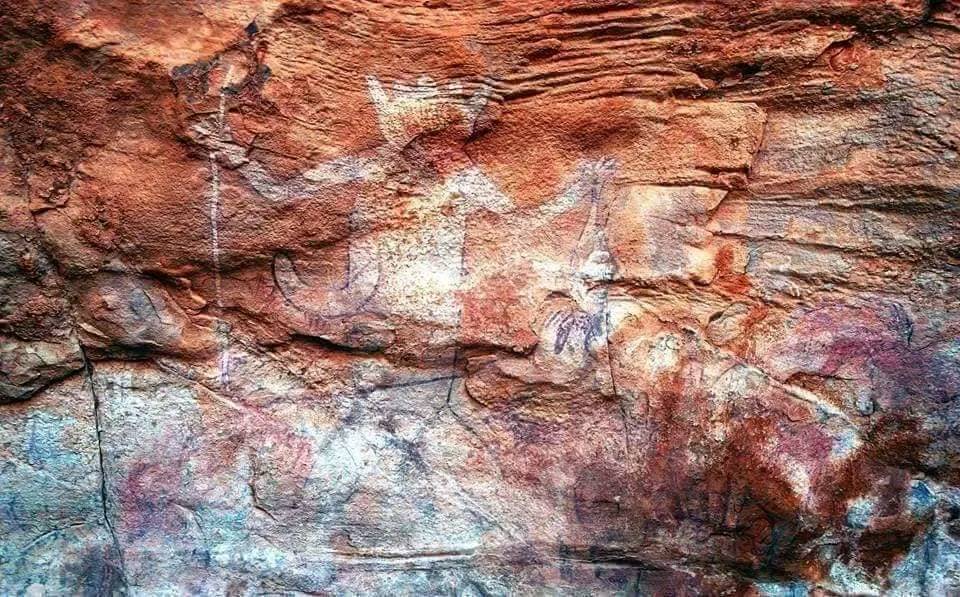
Among the thousands of paintings, the most iconic is the “Great God” (also called Grunda or Grandia):
- A 3.4-metre-high figure of a muscular, powerful being.
- Surrounded by worshippers with raised hands, offering sacrifices.
- Interpreted either as a deity or a supernatural figure.
- Details such as round heads, helmets, and four-armed beings have led some to speculate about extraterrestrial connections.
This style is known as the “round-headed phase” of Saharan rock art. Discovered in the 1930s by the Tuareg Djibril Machar and documented by French archaeologist Henri Lhote in 1956, it still fascinates researchers and visitors alike.
Location and Access: An Expedition in Itself
“Tassili” means “riverbed” in the Tuareg language. The region spans 89,342 km² — larger than Jordan — reaching the Libyan border.
Reaching Sefar is a real challenge:
- Two days of trekking through rocky corridors and steep mountains.
- Altitudes up to 1,476 m.
- Camels cannot cross the rocky terrain — only donkeys can carry equipment and food.
- Daytime temperatures around 30°C but cold nights.
- Entry requires prior authorization from the National Guard and a licensed guide. Without them, getting lost can be fatal.
- GPS devices are useless here.
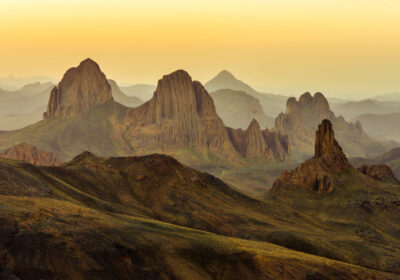
Despite the effort — 6 hours of walking per day, 10 to 15 km in total — the reward is unforgettable: lunar landscapes, towering rock plateaus like skyscrapers, natural springs, and ancient desert cypresses, some considered among the oldest trees in the world.
Sefar Algeria: A Mythical and Labyrinthine City
Sefar impresses with its scale:
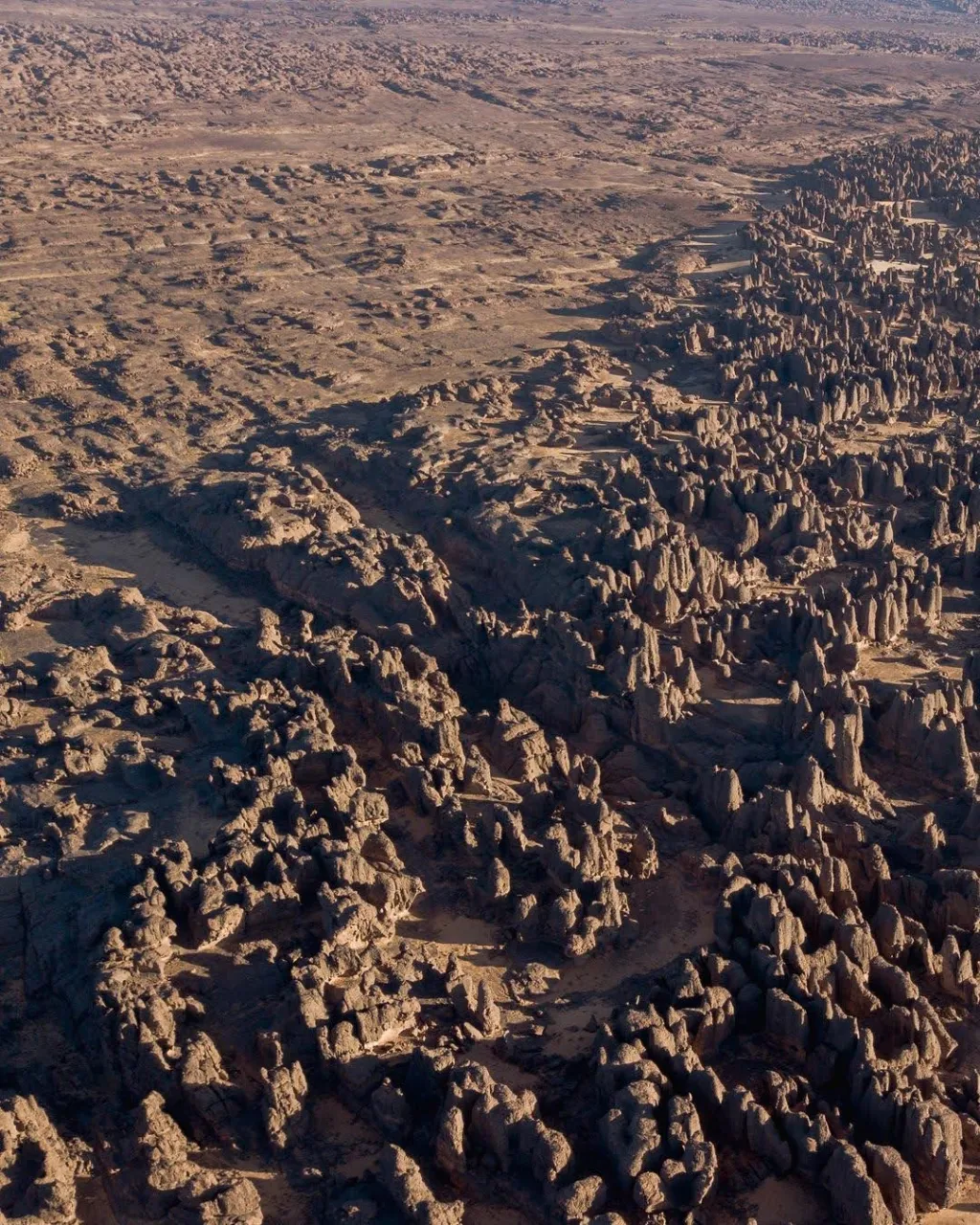
- Over 5,000 troglodyte dwellings carved into the rocks.
- Narrow alleys and repeating crossroads, giving the impression of an organised city.
- Two distinct areas:
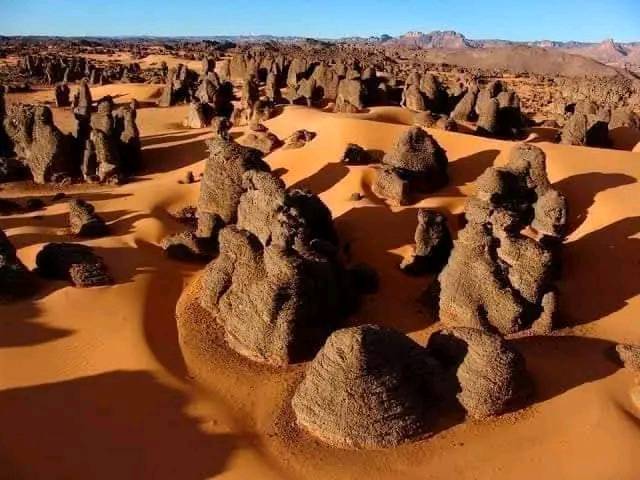
- White Sefar: light sand zones.
- Black Sefar: massive dark rock formations.
Travellers often describe it as a “prehistoric Manhattan”, with rock pillars rising like skyscrapers. Without a guide, orientation is nearly impossible — paths look the same, and getting lost can be fatal.
Traces of Nomadic Life
Until the 1950s, Tuareg nomads lived in this region, using caves as natural houses and storage. Evidence of their presence includes:
- Ancient mosques aligned toward Mecca.
- Graves: men buried with a single stone, women with two.
- Areas once green and fertile, now turned into desert.
Between History and Legends
Stories surrounding Sefar mix archaeology with myth:
- Some claim to have heard strange voices echoing in the caves.
- Others tell of travellers who entered but never returned.
- Folklore suggests that djinns once lived here alongside humans.
- The symbolism of the paintings continues to fuel theories about aliens, cosmogony, and ancient cults.
An Expedition of Beauty and Harshness
The Sefar experience goes beyond archaeology:
- Nights in bivouacs under star-filled skies.
- Traditional meals: bread baked in sand, couscous with meat, and Saharan dishes.
- Tuareg music and dances around the campfire.
Travellers often describe it as a “once-in-a-lifetime journey”, a dreamlike adventure blending history, culture, and raw desert beauty.
Immersion into Tuareg Culture
Exploring Sefar also means meeting the Tuareg people, guardians of the desert. Around the fire, travellers share Saharan tea and discover a millennia-old culture of spirituality, hospitality, and nomadic traditions.
Preserving a Priceless Heritage
Sefar is a fragile treasure of global significance. Visitors are encouraged to:
- Follow the instructions of local guides.
- Leave no trace of their passage.
- Respect the local wildlife (gazelles, jackals, desert birds).
Every action helps protect this heritage for future generations.
Conclusion
Sefar Algeria is a one-of-a-kind destination:
- The world’s largest troglodyte city.
- The most extensive collection of known rock art.
- A mystical place blending human history and spiritual legends.
- A demanding yet unforgettable expedition into Tuareg culture and Saharan landscapes.
One of our trusted partner agencies has designed an exclusive tour to Sefar, allowing you to experience this adventure in the best possible conditions. You can explore the full itinerary or contact us directly for a personalised quote.