
The Algerian oases reveal a world where age-old traditions and colorful festivities weave the social fabric of these desert communities. In this article, we embark on a fascinating journey to the very heart of the festivals of Timimoun, Taghit, and Ghardaïa — cultural gems nestled within the desert, offering a living tableau where ancestral customs are celebrated with infectious energy.
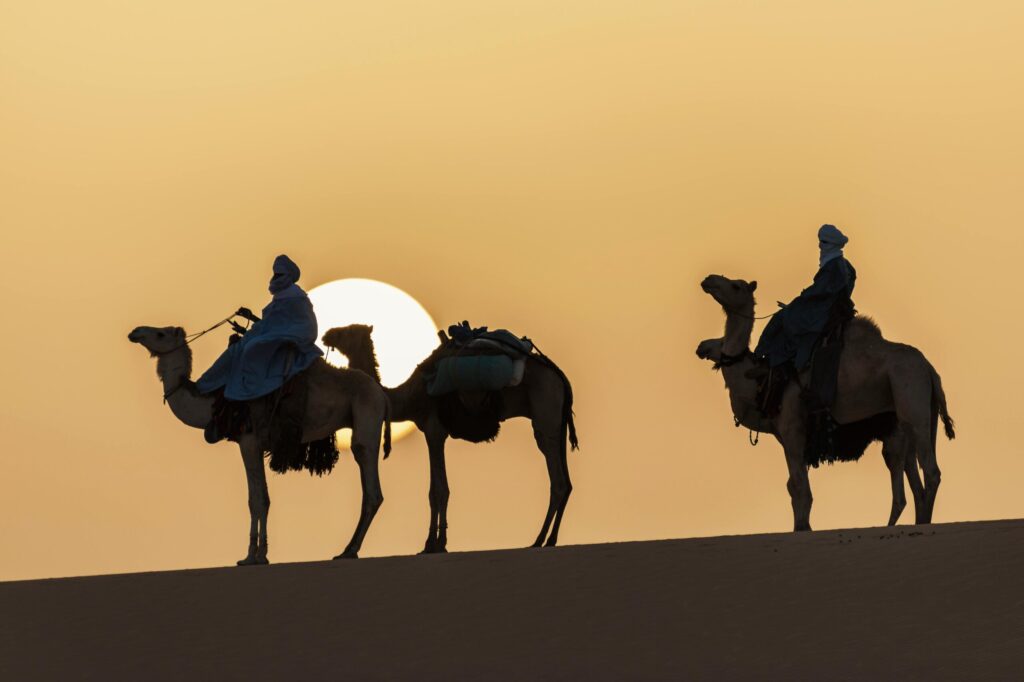
Table of Contents
The Sboue of Timimoun: A Celebration Rooted in History
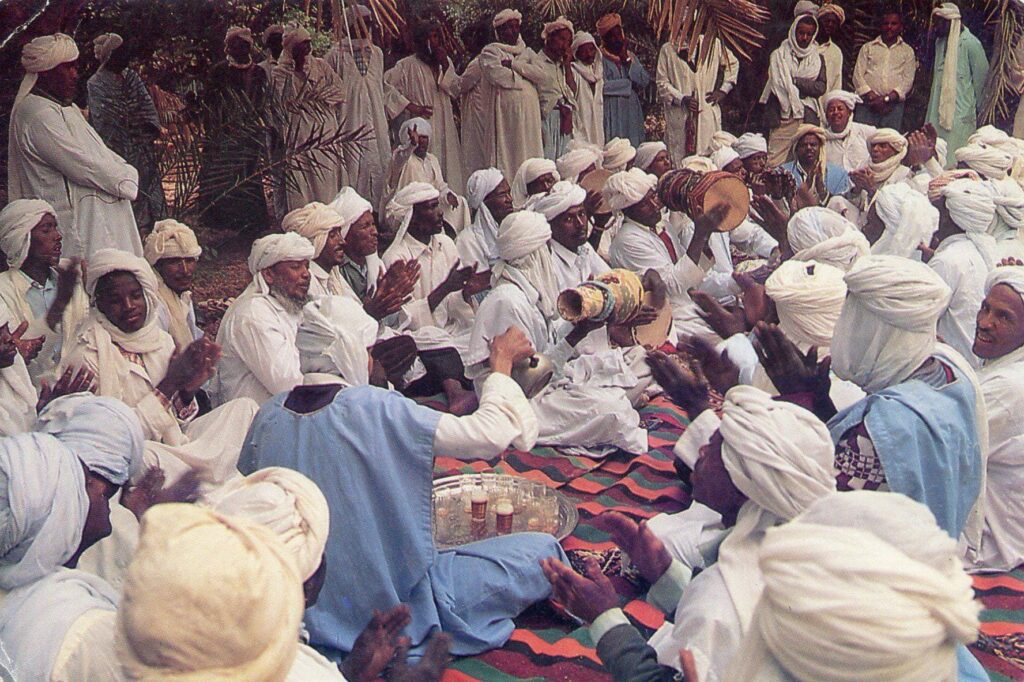
Every year, from the very first blessed days of the month of Rabi’ al-Awwal, Timimoun lights up with a particular fervor in preparation for the Sboue — a grand festival celebrating the birth of the Prophet Muhammad. The atmosphere in the city fills with anticipation, passionate discussions, and contagious energy, as inhabitants prepare to welcome visitors from distant lands for this exceptional celebration.
History
Initiated several centuries ago by Sheikh Belgacem, whose Zaouia stood near Timimoun, the Sboue ritual continues to uphold tradition with renewed fervor each year. For the Gourara region, this celebration is the event of the year, drawing people from far-flung areas — including Europe and sub-Saharan Africa.
Rituals
At the heart of the festivities, mosques overflow with worshippers and visitors, united in listening to and chanting the sixty chapters of the Holy Quran. The mausoleums of the “Awaliya Salihine” become prized pilgrimage sites, welcoming visitors who come seeking spirituality within this grand erg oasis.
For more than a week, the markets buzz with activity, with women preparing offerings of couscous, warm bread (Hassoua), and tea — a reflection of the deep generosity of the local people. Days are filled with equestrian shows and camel races, led by meharistes from Zouiet Debagh and Ksar Kaddour.
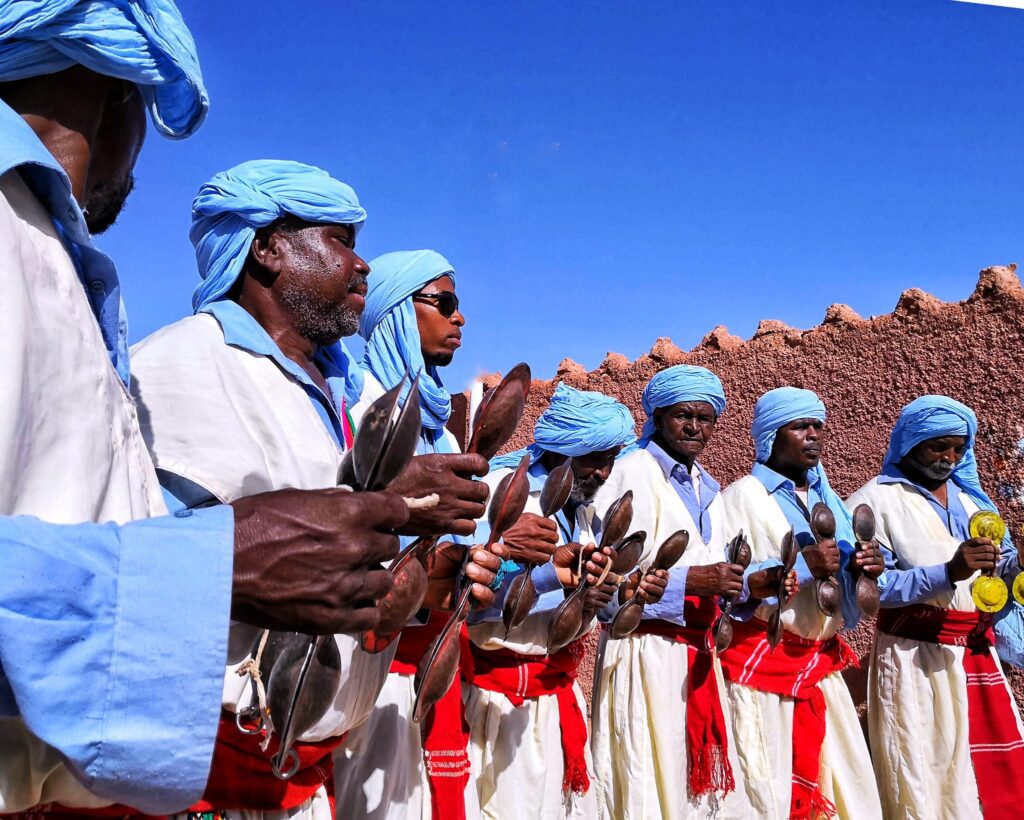
The ceremony, marked by the procession of banners from the Zaouiates and Awliaya, follows an order established for centuries, culminating at Massine, the neighboring ksar, according to tradition. Each evening, the celebration reaches its peak with the spellbinding chants of the Qasida of Sheikh El Bousseiri, recited by the “Talaba of the Zaouiates” in honor of the Prophet.
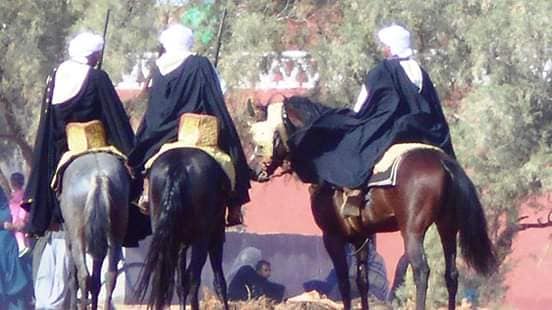
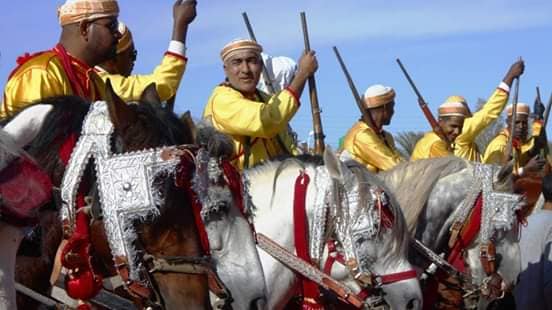
The nights stretch on in jubilation — spectacular imperial cavalcades at daybreak, and gunshots echoing into the night sky over Gourara. The apotheosis arrives during the “Fezaa” at the ksar of the Zaouia, where banners parade to the cheers of the crowd and the ululations of the women. This celebration — steeped in tradition, generosity, and spirituality — culminates in a resounding final baroud, before Timimoun slowly drifts into a new day, still carrying the magic of the Sboue.
The Moussem of Taghit: A Centuries-Old Celebration of the Date Harvest
History
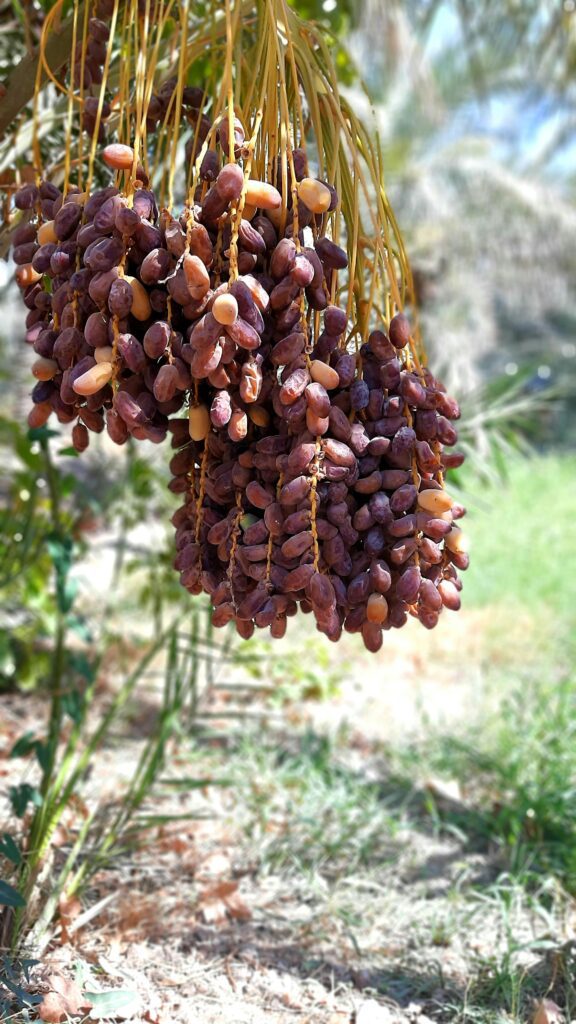
The Moussem of Taghit, also known as the Date Festival, is a celebration rooted in a tradition over 19 centuries old. Held at the end of October, in the heart of the majestic Saoura region — famous for its agricultural wealth centered around the date — this festival is unique in its spotlight on the deep cultural heritage tied to the farming and harvesting of this precious desert fruit.
Rituals
Over three days of lively celebrations, the inhabitants of Taghit and surrounding areas gather to take part in parades, traditional dances, and artisan demonstrations. The captivating sound of the bendir and the guembri accompanies choral singing, creating a vibrant atmosphere steeped in tradition. Visitors — local and international alike — have the opportunity to explore local customs, including cooking competitions showcasing the delicious varieties of dates grown in the region.
It is also the ideal occasion to delve into the rich history of the Moussem of Taghit — a tradition centuries deep in the transmission of knowledge and customs between generations. The rituals observed during this festival captivate participants, forging a palpable link between past and present. Far more than an annual celebration, the Moussem of Taghit stands as a living testimony to the central role of the date in daily life and the deeply rooted culture of this Saharan community.
Ghardaïa: Between Traditions and Celebrations
The Moussem of Sidi Abderrahmane
History: The Moussem of Sidi Abderrahmane in Ghardaïa, Algeria, is an annual celebration imbued with spirituality and tradition. Dedicated to Sidi Abderrahmane — a 14th-century Sufi saint — the event comes to life every autumn, drawing pilgrims from afar to pay their respects at the saint’s tomb. The festivities blend religious devotion with a rich cultural heritage, offering a vivid portrait of local life.
Rituals: At the heart of the event is a pilgrimage to the tomb of Sidi Abderrahmane, where the faithful seek blessings through special prayers and religious rites. Lively processions, with participants dressed in traditional attire, add a festive dimension — accompanied by musicians and, at times, artistic performances.
The Moussem also serves as a showcase for local culture, with cultural festivities such as traditional music and dance performances creating a vibrant and joyful atmosphere. Traditional markets add a crafts dimension, allowing visitors to discover and purchase unique local products.
The Carpet Festival
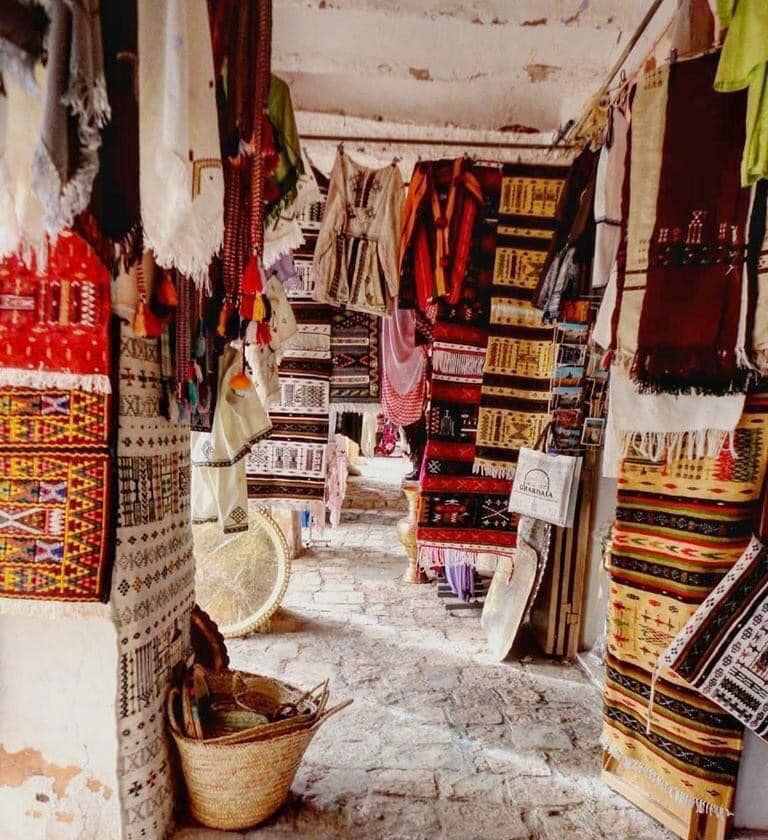
The Carpet Festival of Ghardaïa, celebrated every year during the spring school holidays (mid-March), is a vibrant tribute to the craftsmanship and cultural richness of the M’Zab Valley in Algeria.
With a distinctly commercial focus celebrating the art of carpet weaving, the event stands out for its captivating exhibition of the country’s diverse carpets. The streets come alive with parades of floats decorated by talented local artisans, offering a visual spectacle rich in tradition and vivid color.
Best-artisan competitions add a stimulating artistic element to the event, while folkloric evenings featuring Karkabou troupes transport visitors into the spellbinding world of traditional music and dance.
Tourist explorations across the five cities of the M’Zab Valley metropolis are particularly enriching — with a special mention for Béni Izguen, renowned for its legendary auction market.
Conclusion
The festivals of Algeria are far more than cultural events — they are living testimonies to the country’s rich and diverse heritage. From Timimoun to Ghardaïa, these tradition-rooted celebrations offer a genuine window into Algerian spirituality, art, and conviviality.
Dreaming of experiencing these vibrant oasis festivals firsthand? Contact us to plan a tailor-made trip through the Algerian desert, timed around its most spectacular celebrations.