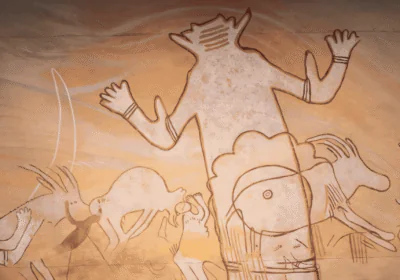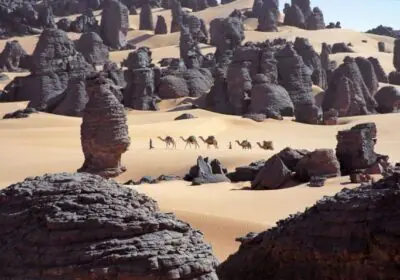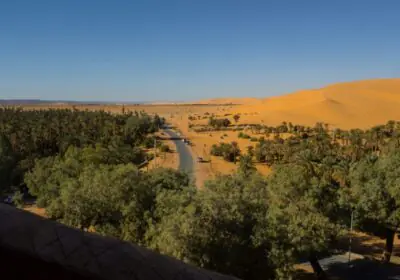

The Sebeiba, an iconic symbol of Saharan culture, lies at the heart of local celebrations in Djanet. It’s a moment when communities come together to celebrate, dance, and share ancestral traditions. Truly discovering a place means immersing yourself in its people and way of life — and cultural festivals offer one of the most meaningful ways to do just that. They create rare opportunities to connect with locals, experience authentic traditions, taste regional specialties, and build lasting memories.
In this pursuit of authenticity, Djanet — an oasis in southeastern Algeria — offers a complete change of scenery. Beyond its breathtaking landscapes, the town is a vibrant hub of cultural celebrations. Each festival here opens a window into the region’s history, offering travelers a deep and immersive experience of Saharan heritage.
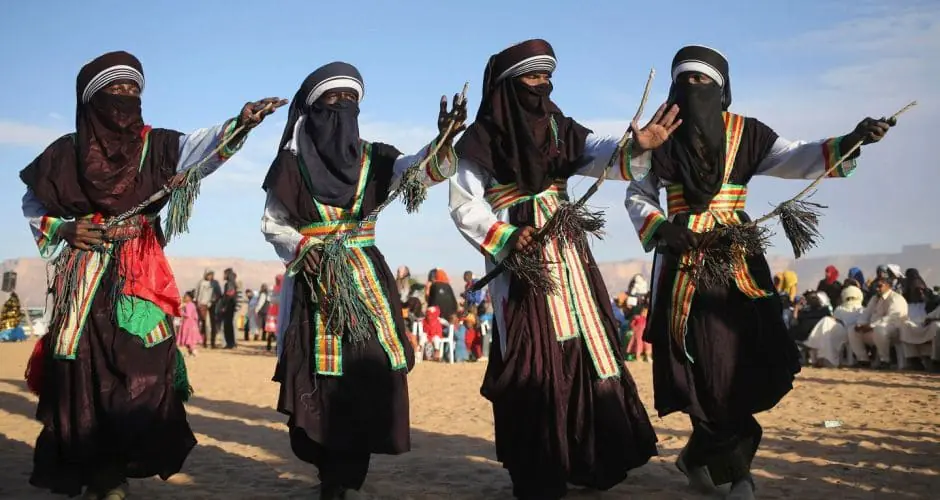
Table of Contents
Legendary Origins
In the heart of the Algerian Sahara, in the oasis of Djanet, an ancient festival unfolds — steeped in legend and meaning. The Sebeiba traces its origins to a powerful story: two tribes of the Tassili n’Ajjer, once at war, learned of Moses’ victory over Pharaoh. This moment became a turning point, inspiring peace and reconciliation between them.
Today, the festival commemorates that unity and is celebrated each year as a symbol of brotherhood.
🌍 Recognized by UNESCO in 2014, the Sebeiba is listed as part of the Intangible Cultural Heritage of Humanity.
Timoulawine: The Days of Preparation
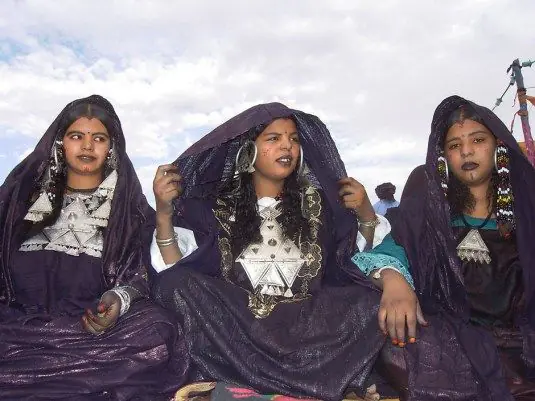
In the days leading up to the Sebeiba, a captivating pre-festival competition called Timoulawine takes place over nine days. Dancers and singers — guardians of tradition — compete for the honor of participating in the main ceremony. These preparations are a vibrant tribute to Tuareg culture, where every rhythm and every movement tells a story.
Morning Ceremony: Procession and Chants
At sunrise, the first act of the Sebeiba begins.
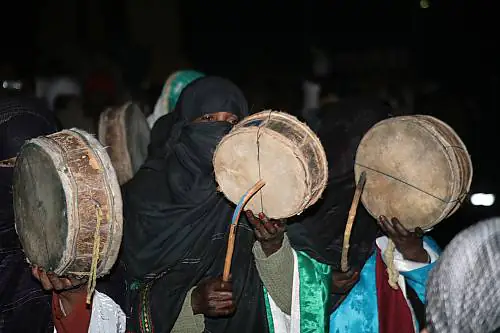
Men dressed in traditional Tuareg attire — flowing garments, turbans, and jewelry — parade through the oasis to the sound of chants and poetry. This procession is a rich blend of color and sound, accompanied by the rhythms of the ganga drum and verses celebrating love, desert beauty, and community spirit.
Afternoon Ceremony: The Sword Dance
In the calm hours after the Asr prayer, the Sebeiba reaches its peak.
Men gather in a circle, their silhouettes outlined against the golden desert sands. The steady beat of drums fills the air, blending with the whispers of the wind and ancestral songs.
Within this sacred circle, warriors perform a traditional sword dance. Their movements combine grace and strength, embodying heritage and identity. Each gesture carries meaning, each step echoes generations past.
The ritual known as Aghay N’Watay is not merely a display of strength — it is a celebration of life, unity, and collective memory. Movements flow in harmony, like waves, while shared glances reflect respect and camaraderie.
As the performance draws to a close and stars begin to fill the night sky, a deep sense of peace settles over the desert. The Sebeiba has fulfilled its purpose — honoring the past and reaffirming a shared future rooted in tradition.
A Symbol of Peace and Unity
The Sebeiba is far more than a festival. Recognized by UNESCO, it represents social cohesion and cultural continuity. It is a space for gathering, dialogue, and remembrance — an annual reminder of the importance of peace, unity, and the enduring strength of Tuareg heritage.
Final Thoughts
The Sebeiba offers a unique window into the Tuareg world — an invitation to explore a rich cultural legacy shaped by legend and tradition. It is a deeply immersive experience where past and present meet, celebrating the resilience, harmony, and enduring spirit of a people who have carried their traditions across centuries.
Dreaming of witnessing the Sebeiba firsthand? Contact us to plan your trip to Djanet — we’ll handle the visa on arrival, Tuareg guides, and every detail of your desert experience, so all you need to do is arrive and be moved.