Oran, “the Radiant One”, is Algeria’s second city and one of the most fascinating on the Mediterranean. Across four centuries of history, Spaniards, Ottomans and French shaped its architecture, its culture and its cuisine, offering travellers a unique blend of heritage, sea and music. Here is the complete guide to visiting Oran and planning an unforgettable stay.
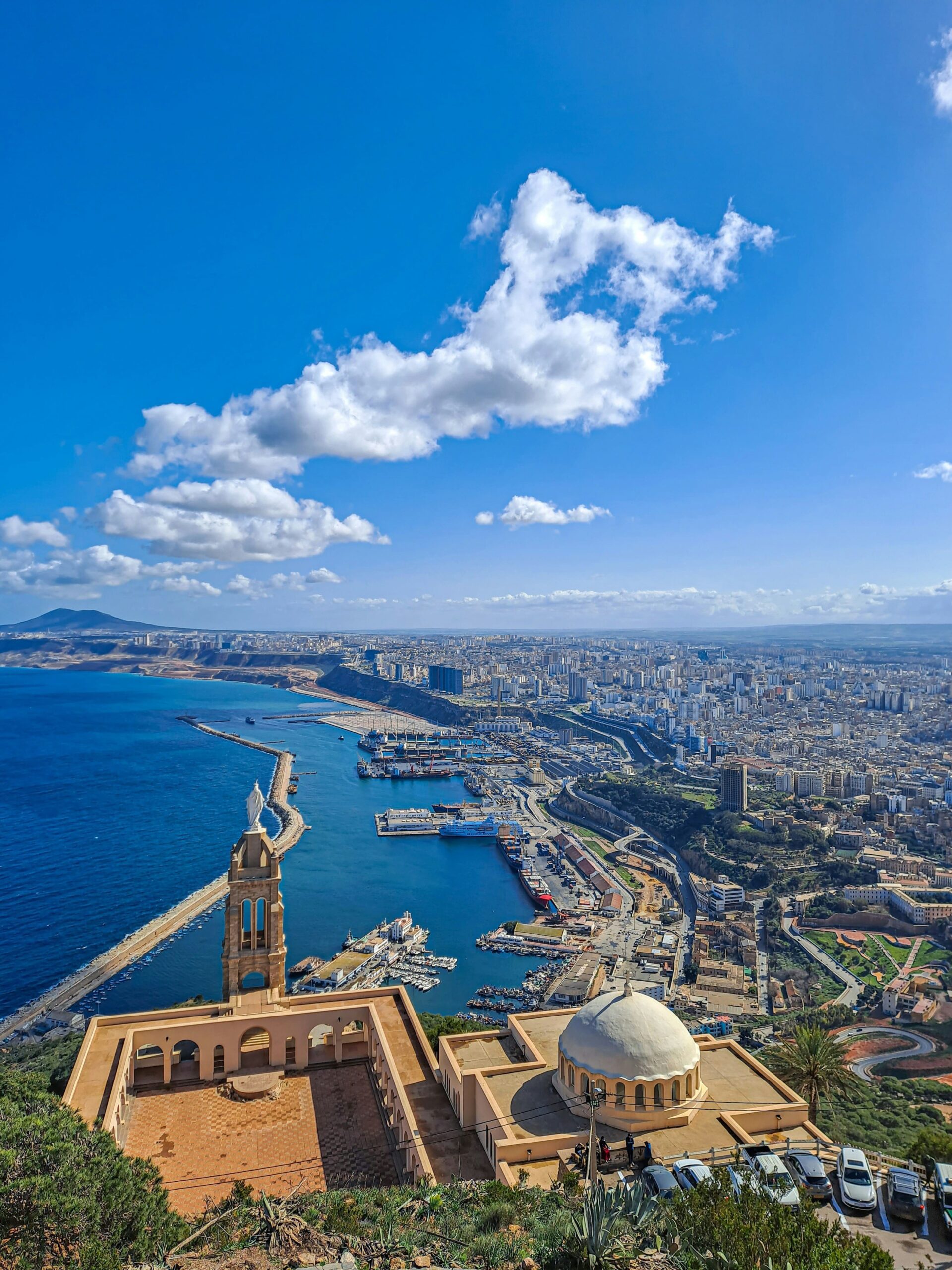
Table of Contents
Practical Information About Oran, Algeria
- 🏰 Heritage: Across four centuries of history (1509–1962), Oran saw Spaniards, Ottomans and French come and go, each of them shaping its architecture, its culture and its cuisine.
- 📆 Best time to visit: April to October for the beaches and festivals; November to March for mild weather ideal for cultural sightseeing.
- 🌡️ Climate: Typically Mediterranean — mild winters (12–18 °C) and hot summers (28–35 °C). Summer evenings are lively and sociable.
- 🏖️ Type of trip: Cultural break, seaside getaway, city weekend or a musical journey on the trail of Raï.
- 🎒 Tips: Bring light clothing, a hat, good shoes for the old town’s alleyways and a camera — the light in Oran is exceptional.
Three Days to Discover Oran — Suggested Itinerary
Day 1 — The Historic Heart and the Colonial Monuments
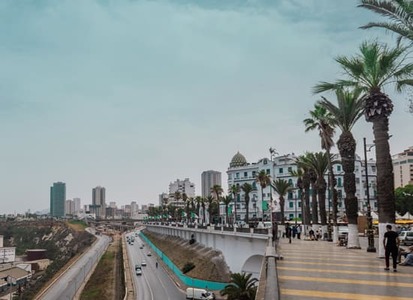
- Start along Boulevard de l’ALN (the seafront), then Place du 1er Novembre 1954, ringed by colonial facades and dominated by the city hall with its two monumental lions.
- Continue to the Sacré-Cœur Cathedral (today the municipal library), then the Bey’s Palace and the Ibn Badis promenade.
- Finish in the Sidi El Houari district, the birthplace of Oran, with the Spanish Gate, the mausoleum of Sidi El Houari and the Hassan Pacha Mosque.
- In the evening, settle into a café in the centre for a créponné, the lemon sorbet that is Oran’s emblem.
Day 2 — Panoramas, Spirituality and Culture
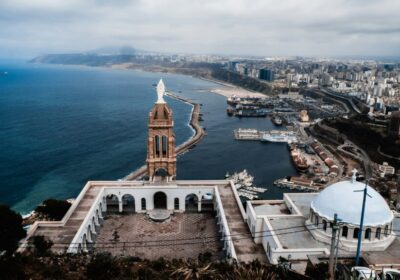
- Climb up to Santa Cruz Fort on Mount Murdjadjo for a spectacular view over the bay and the harbour of Mers El-Kébir.
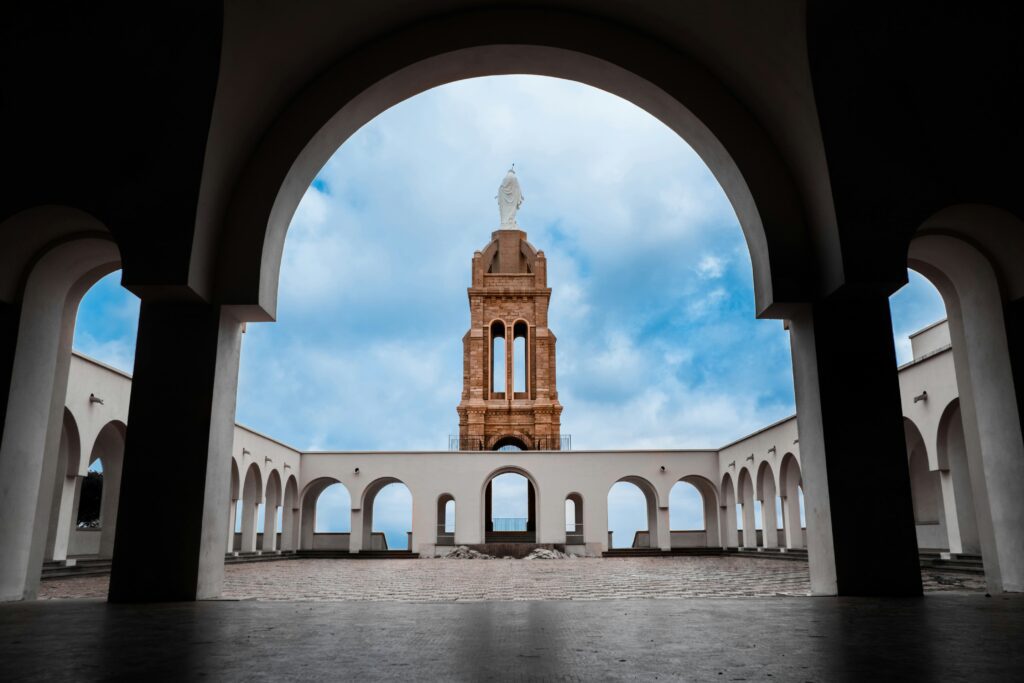
- Visit the Notre-Dame du Salut Chapel, built in 1850 after the cholera epidemic.
- Explore the Ahmed Zabana National Museum, one of the richest in the country.
- Head to the working-class district of Mdina Jdida to taste the famous carantica and enjoy its bustling alleyways.
Day 3 — Relaxation, Sea and Oran Atmosphere
- Head for the Oran corniche as far as the seaside resort of Aïn El-Turk (15 km from the centre): swimming, a stroll or a fresh fish lunch at Cap Falcon.
- Continue on to the beaches of Les Andalouses or Coralès, renowned for their turquoise waters.
- In the late afternoon, return to the seafront to watch the sun set over the port and the Murdjadjo hills.
Oran’s Unmissable Monuments
Santa Cruz Fort and Chapel
Perched at 400 m on Mount Murdjadjo, Santa Cruz Fort, built by the Spanish between 1577 and 1604, commands the bay. Its adjoining chapel, Notre-Dame du Salut, was erected in 1850 after the “miracle of the rain”. Taxis go up from the centre — arrive before 10 am to avoid the crowds.
The Seafront and Place du 1er Novembre
The emblem of the Radiant One, the seafront links the old quarters to the sea. Place du 1er Novembre 1954 pays tribute to Emir Abdelkader and is surrounded by the colonial facades of the city hall and the theatre, two gems from the early twentieth century.
The Sacré-Cœur Cathedral
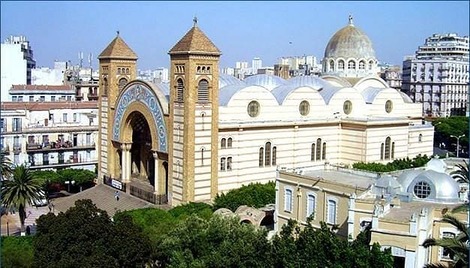
Built between 1904 and 1913 by the architect Albert Ballu, this Romano-Byzantine cathedral, now converted into the municipal library, bears witness to Oran’s cosmopolitan past. Admission is free and it is open every day.
The Bey’s Palace and the Ibn Badis Promenade
An eighteenth-century Ottoman masterpiece, the Bey’s Palace stands out for its arcades and its gardens. Nearby, the Ibn Badis promenade runs along the fortifications and shelters a listed park where fig trees, aloes and rare conifers grow.
The Spanish Gate and the Sidi El Houari District
A relic of the Spanish occupation (1589), the Spanish Gate rises in the Sidi El Houari district, the oldest part of Oran. It is home to the mausoleum of the city’s patron saint, Sidi El Houari, and the Hassan Pacha Mosque, a jewel of Ottoman art built in 1796.
The Ahmed Zabana National Museum
This museum traces the history of Algeria from prehistory to independence. It holds collections of Islamic art and archaeology, along with a room devoted to the Revolution.
The Oran Opera House
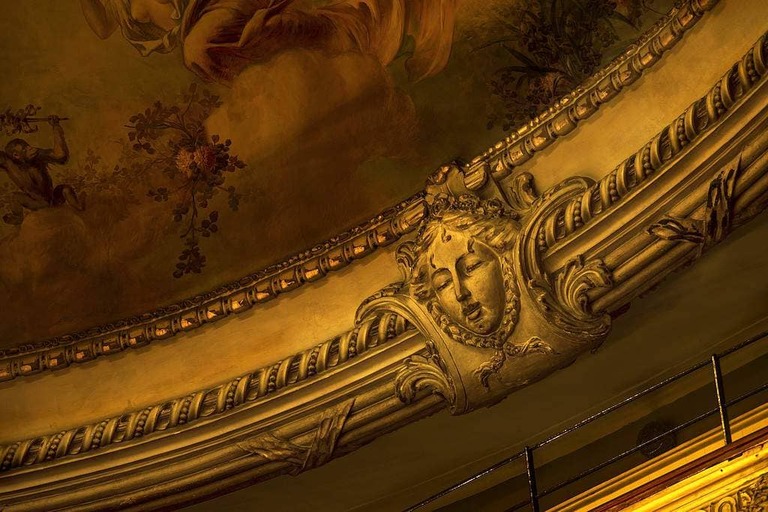
Inaugurated in 1907, the Oran Opera House is an architectural masterpiece overlooking Place du 1er Novembre 1954. Designed by the architect Inez, it charms visitors with its majestic facade, its coloured stained glass and its elegant domes. Today concerts, plays and shows bring this landmark of Oran’s cultural heritage to life.
Oran’s Coastline: Between Corniche and Idyllic Beaches
Stretching for nearly 120 kilometres, the Oran coastline is among the finest in the country. Between ochre cliffs, secluded coves and long stretches of golden sand, the coast unfurls a string of spectacular Mediterranean landscapes.
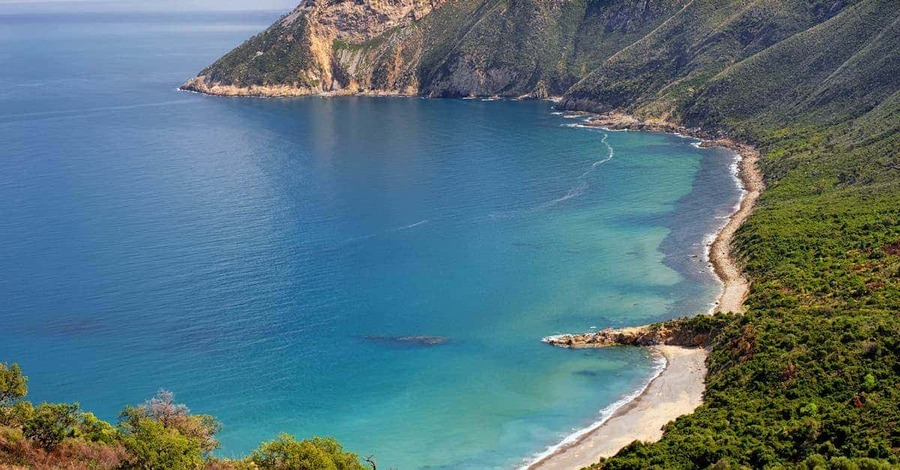
- Cap Falcon: the region’s flagship spot, with cliffs plunging into crystal-clear water, terrace restaurants and a lively summer atmosphere.
- Aïn El-Turk: a genuine seaside resort nicknamed the “Turks’ Fountain”. Golden sand, shallow water, cafés and seafront accommodation.
- Les Andalouses: an emblematic spot with Andalusian touches, ideal for families. A vast beach, water-sports clubs and hotels right on the water.
- Coralès: quieter, a beach fringed with rocks for those who love calm and snorkelling.
The Flavours of Oran: The Dishes Not to Miss
Oran’s cuisine is a genuine journey for the senses, blending Spanish, Moroccan and French influences into a harmony of Mediterranean flavours. Every dish tells part of the city’s story.
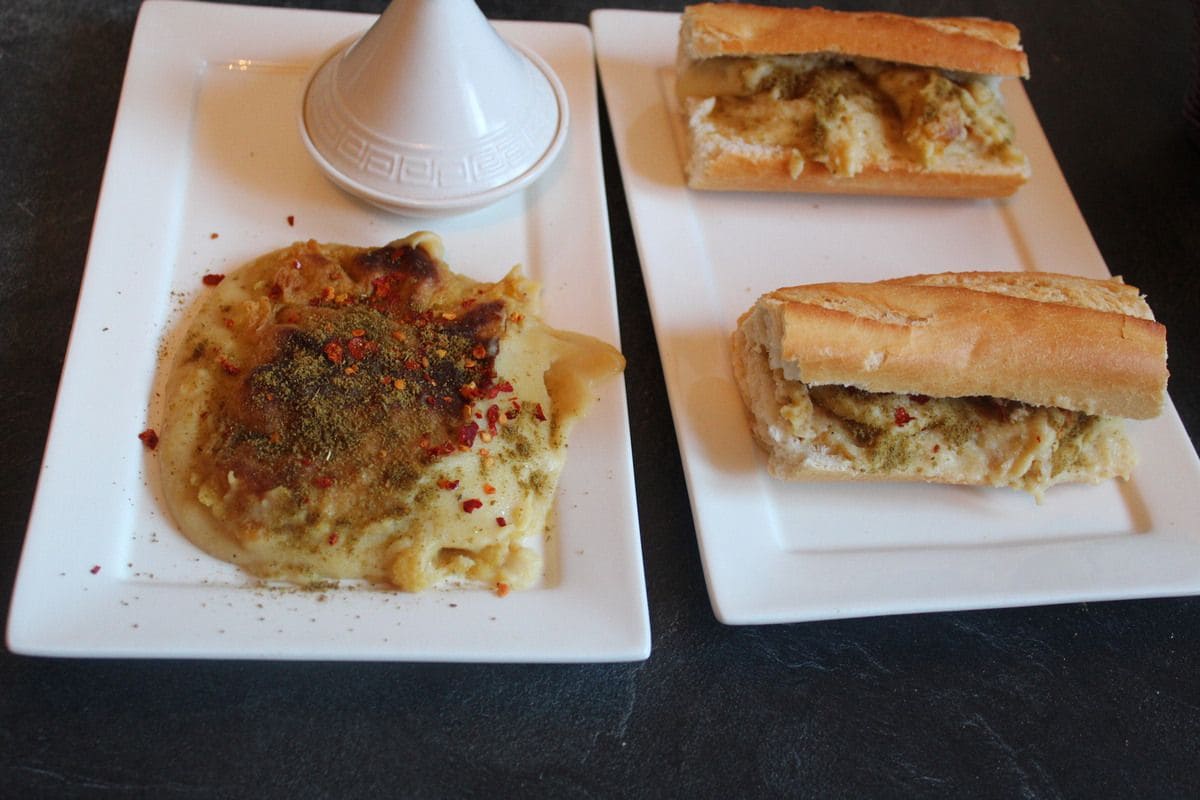
- Carantica (or Calantica): a savoury chickpea-flour flan, baked in the oven and seasoned with cumin and harissa. Eat it piping hot in the alleyways of Mdina Jdida, the cradle of Oran street food.
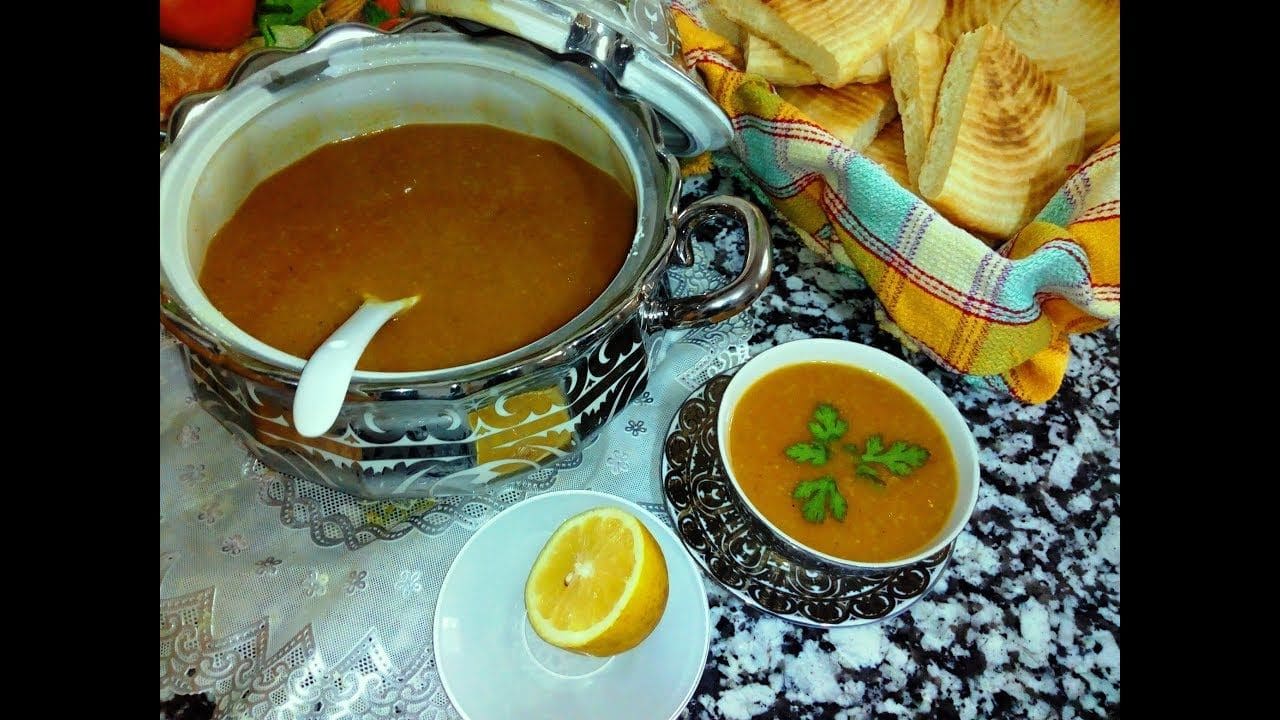
- Harira: a thick soup with tomato, chickpeas and vermicelli, often served during Ramadan.
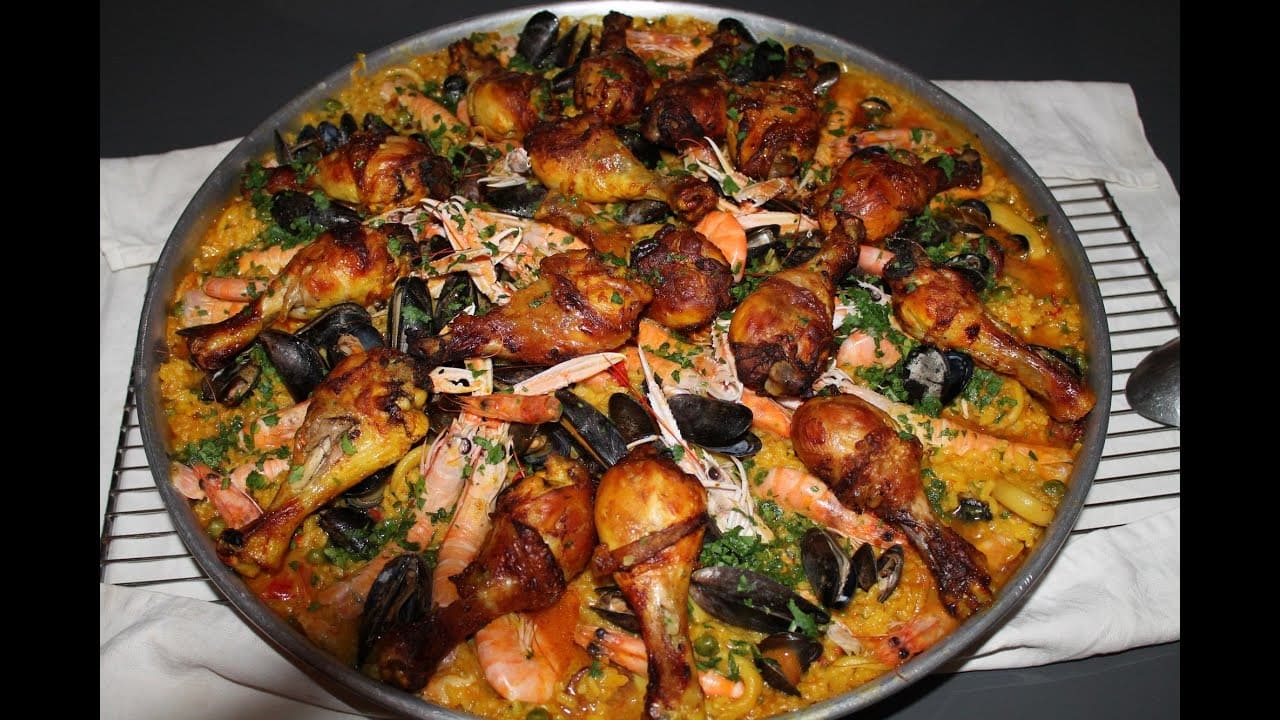
- Oran-style paella: a legacy of the Spanish presence — saffron rice, seafood and pieces of chicken with local spices.
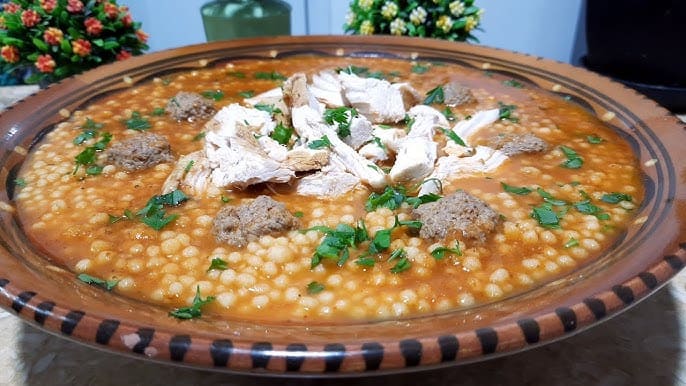
- Berkoukes: small pearls of pasta simmered in a red sauce fragrant with vegetables and lamb. A rustic, generous dish.
- Tagine with prunes: tender meat cooked with caramelised onions, mild spices and candied prunes.
- Mouna: a golden brioche scented with orange blossom or aniseed, the symbol of Sundays in Oran.
- Créponné: a traditional lemon sorbet, lightly frothy, served in the seafront cafés on hot summer evenings.
Oran, Capital of Raï and of Celebration
Oran is far more than a city: it is a voice. The birthplace of Raï, the musical genre born in the working-class cafés of the 1930s, the city saw the rise of a movement of free expression, born of the street and of the desire to say out loud what others kept quiet.
This is where the icons Cheb Khaled, Cheb Mami, Cheb Hasni, Zahouania and Cheikha Rimitti, the pioneer of modern Raï, grew up. Their success made Oran the symbol of a creative, bold Algerian youth open to the world.
In Closing
Between the sea and the hills, between modernity and memory, Oran captivates through its vitality. A city of light and contrasts, it embodies both Mediterranean joie de vivre and the many layers of the country’s history. Whether for its panoramas, its food, its music or the warmth of its people, Oran remains a standing invitation to discovery.
To explore Oran and western Algeria differently, Algeria Explorer designs tailor-made tours with passionate local guides.